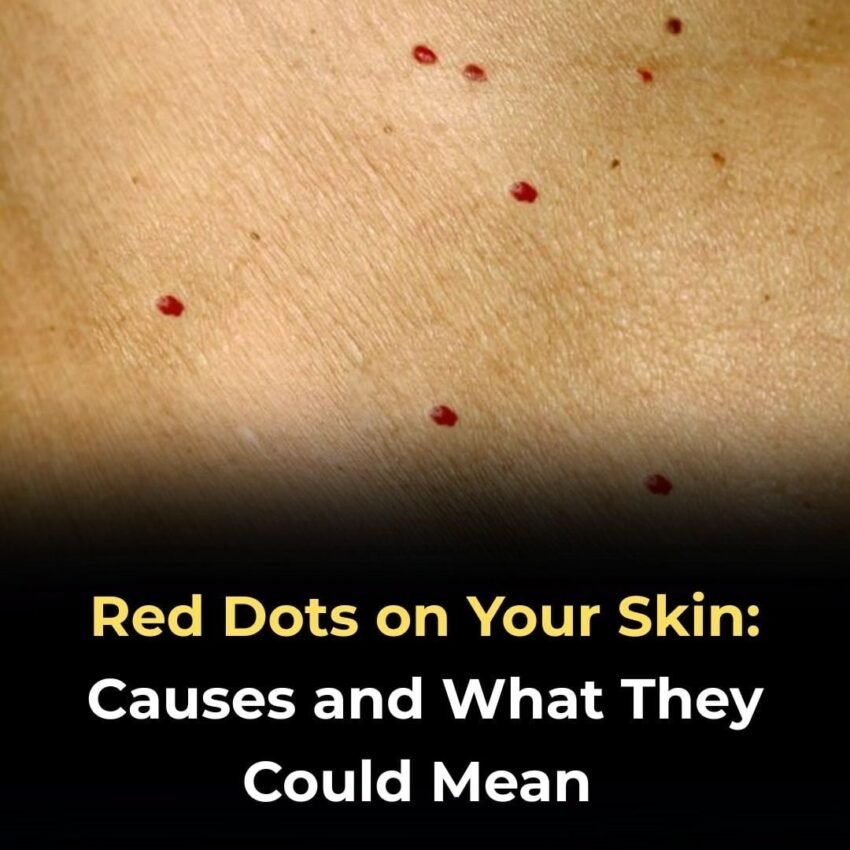
If You Spot These Red Dots on Your Skin, You Had Better Know What They Mean
Not all red dots on the skin are harmless. Learn what different red spots might indicate, when to seek medical attention, and practical ways to protect your skin.
The Red Flags Your Skin May Be Sending
You notice a few tiny red dots on your arm, leg, or chest. At first, you might think nothing of it. Maybe they’re just bug bites, or maybe you brushed against something.
But red dots—or petechiae, rashes, or blood spots—can sometimes indicate something more serious than irritation.
Understanding what your skin is trying to tell you can prevent complications and help you take quick action.
Common Causes of Red Dots
Red dots on the skin can range from harmless to serious. Here are the most common causes:
1. Petechiae – Tiny Pinpoint Spots
-
Small, red or purple dots that don’t fade when pressed
-
Often appear in clusters
-
Can be caused by:
-
Straining (like coughing or vomiting)
-
Blood clotting disorders
-
Certain infections
-
Important: Petechiae that appear suddenly without explanation should be evaluated by a doctor immediately.
2. Allergic Reactions
-
Red, itchy spots may appear after exposure to allergens
-
Common triggers:
-
Food (nuts, shellfish)
-
Medications
-
Skin products
-
These spots may come with swelling or hives and often fade with antihistamines.
3. Heat Rash
-
Small red bumps, often itchy, caused by sweat trapped in pores
-
Common in hot, humid weather
-
Usually resolves with cooling, loose clothing, and hydration
4. Infections and Viruses
-
Some viral infections cause red dots or rashes:
-
Chickenpox
-
Measles
-
Scarlet fever
-
-
Bacterial infections, like strep throat, can also lead to a red rash on the skin
5. Skin Conditions
-
Eczema or dermatitis: Red patches or tiny bumps, often itchy
-
Psoriasis: Red, scaly spots
-
Keratosis pilaris: Small, rough red bumps on arms or thighs
6. Blood-Related Disorders
-
Low platelets or clotting disorders can cause red dots to appear
-
Often accompanied by easy bruising or bleeding gums
-
Requires medical evaluation promptly
When Red Dots Are a Sign to Seek Help
You should contact a healthcare provider immediately if red dots are accompanied by:
-
Sudden appearance without a clear cause
-
Fever, chills, or flu-like symptoms
-
Unusual bruising or bleeding
-
Rapidly spreading rash
-
Pain, swelling, or other concerning symptoms
Prompt evaluation can catch serious conditions early.
How to Assess Your Red Dots at Home
-
Press Test: Lightly press a dot with your finger.
-
If it does not fade, it may be petechiae.
-
If it fades, it could be a minor irritation or rash.
-
-
Check for Clusters or Patterns: Are the dots in one area or spread across your body?
-
Monitor Symptoms: Track itching, fever, or other systemic signs.
-
Consider Recent Activities: Have you been exercising, scratched your skin, or had new medications?
Real-Life Scenario
Emma, a 34-year-old teacher, noticed small red dots on her legs. Initially, she ignored them. Within two days, she developed fatigue and mild bruising.
Her doctor discovered low platelet counts, which required prompt monitoring and treatment.
This example highlights why red dots should not be ignored, especially when accompanied by other symptoms.
Tips to Protect Your Skin
-
Keep skin clean and hydrated
-
Avoid harsh chemicals or irritants
-
Wear loose-fitting clothes in hot weather
-
Check new medications for skin side effects
-
Monitor changes in your skin regularly
FAQs: People Also Ask
Q1: Are tiny red dots always serious?
No, many are harmless, like heat rash or mild irritation, but some can indicate underlying health issues.
Q2: How do I know if it’s petechiae?
Petechiae are small, flat red or purple spots that don’t blanch when pressed.
Q3: Can allergies cause red dots?
Yes, allergic reactions often cause red, itchy bumps or hives.
Q4: Do bug bites leave red dots?
Yes, mosquito or flea bites often appear as tiny red bumps, usually itchy.
Q5: Should I go to the ER?
Seek emergency care if red dots are sudden, accompanied by bleeding, fever, or other systemic symptoms.
Q6: Can stress cause red spots on skin?
Stress may worsen existing skin conditions but is rarely the direct cause of new red dots.
Q7: Can diet affect red spots?
Certain food allergies or sensitivities can trigger rashes or red bumps.
Q8: How long do minor red dots last?
Harmless red spots often resolve in a few hours to a few days.
Quick Action Checklist
✔ Identify the type of red dot (blanching vs. non-blanching)
✔ Track additional symptoms (fever, fatigue, bruising)
✔ Avoid scratching or irritating the area
✔ Seek medical attention if dots appear suddenly or are unexplained
✔ Maintain healthy skin hygiene and hydration
Conclusion: Don’t Ignore Tiny Red Dots
Red dots on your skin are more than cosmetic—they can be a signal from your body. While many are harmless, some may indicate underlying health conditions that require attention.
Being observant, practicing proper skin care, and seeking timely medical advice can help you protect your health and peace of mind.
-
Tiny red dots may be harmless or signal serious conditions
-
Monitor for patterns, symptoms, and duration
-
Seek medical attention if dots appear suddenly or come with other warning signs
-
Early awareness and care are key to keeping your skin—and your health—safe
Pay attention to your skin—it often speaks louder than words.