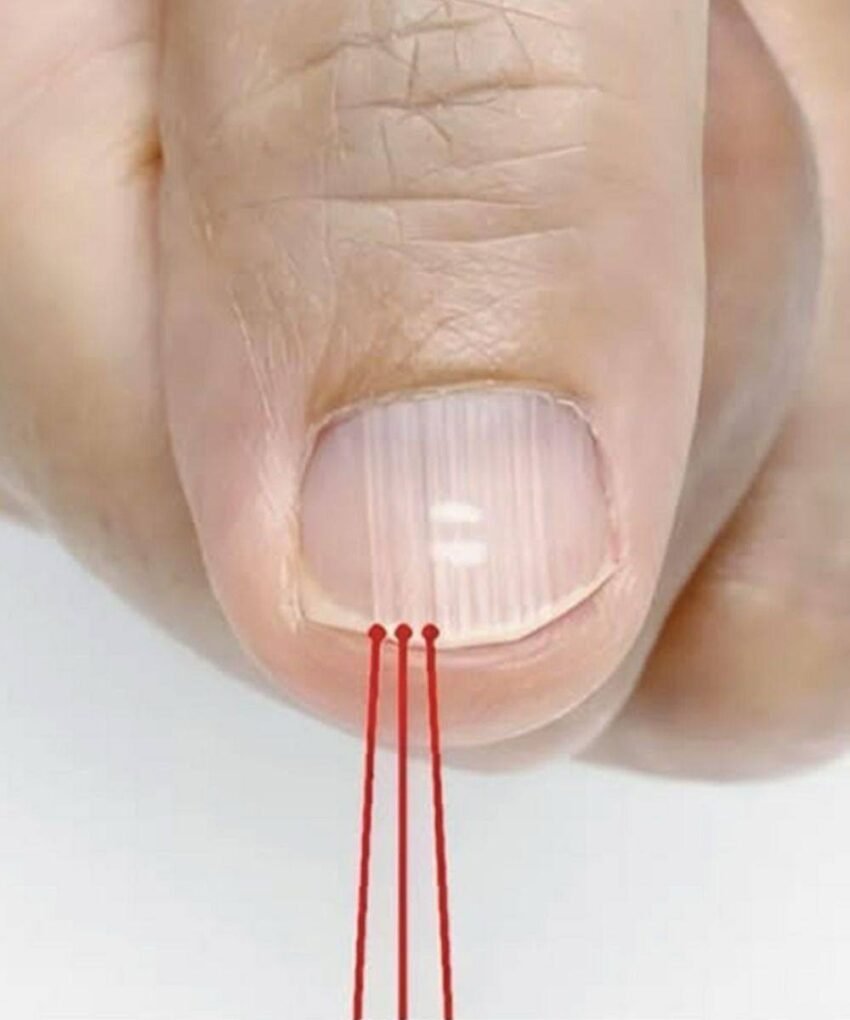
What Those Vertical Ridges on Your Fingernails Might Be Telling You — Especially After 40
Vertical ridges on fingernails can reveal your health, especially after 40. Learn what causes them, when to worry, and how to keep your nails healthy and strong.
Introduction: Your Nails May Be Sending a Silent Message
Have you noticed thin vertical lines running from your cuticle to your fingertip? You’re not alone. Many people develop these ridges as they age, and while they’re often harmless, they can sometimes signal nutritional deficiencies or underlying health conditions.
If you’re over 40, paying attention to your nails can provide valuable insights into your overall health, diet, and lifestyle.
In this post, we’ll cover:
-
Why vertical ridges appear on nails
-
When they’re normal vs. concerning
-
Tips to strengthen and maintain healthy nails
-
How diet, supplements, and lifestyle affect nail health
Understanding Vertical Ridges
Vertical ridges are lines that run from the base of the nail to the tip. Unlike horizontal ridges (which can signal injury or illness), vertical ridges are usually related to natural aging, but can also reflect:
-
Nutrient deficiencies
-
Dehydration
-
Health conditions like thyroid disease or anemia
-
Trauma or repetitive nail stress
Key point: While vertical ridges are common after 40, sudden or deep changes should be checked by a doctor.
Common Causes of Vertical Ridges
1. Natural Aging
-
Collagen production slows over time
-
Nail matrix (where the nail grows) produces uneven layers
-
Usually harmless and affects all nails gradually
2. Nutritional Deficiencies
-
Iron deficiency (anemia): Can cause ridges along with brittle nails
-
Vitamin B12 or folate deficiency: Nails may become discolored or weak
-
Protein deficiency: Nails need keratin, which is protein-based
3. Dehydration and Dryness
-
Lack of moisture can exaggerate ridges
-
Frequent hand washing or harsh soaps may worsen texture
4. Health Conditions
-
Thyroid disorders: Slow metabolism affects nail growth
-
Diabetes: May impact circulation and nail health
-
Skin conditions: Psoriasis or eczema can cause ridges or pitting
5. Trauma or Repetitive Stress
-
Nail biting, picking, or frequent use of acrylic nails
-
Pressure or injury to nail matrix leads to temporary ridges
When to See a Doctor
-
Rapidly forming or deep ridges
-
Discoloration (yellow, brown, or black streaks)
-
Pain, swelling, or nail detachment
-
Changes in only one nail (could signal localized infection or melanoma)
Tip: Vertical ridges on all nails are usually normal; sudden, uneven changes warrant professional evaluation.
Nail Care Tips After 40
-
Moisturize daily: Use cuticle oil or hand cream to keep nails hydrated
-
Avoid harsh chemicals: Limit acrylic nails, gel polish, and strong nail polish removers
-
Trim and file gently: Use a fine nail file in one direction
-
Protect hands: Gloves when cleaning or washing dishes
-
Maintain balanced nutrition: Ensure adequate protein, iron, zinc, vitamins B12, C, and D
Nutritional and Lifestyle Boosters
-
Protein-rich foods: Eggs, chicken, fish, legumes
-
Iron sources: Spinach, red meat, lentils
-
Healthy fats: Avocado, nuts, olive oil to strengthen nails
-
Hydration: 6–8 glasses of water daily
-
Supplements: Consult a doctor for iron, biotin, or multivitamins if deficient
Myths About Nail Ridges
-
Myth: Vertical ridges always indicate disease
-
Reality: Most are natural with age
-
-
Myth: Filing ridges removes them permanently
-
Reality: Filing can smooth appearance but does not stop natural formation
-
-
Myth: Only women get ridges
-
Reality: Men experience them too, especially after 40
-
Frequently Asked Questions
1. Are vertical ridges painful?
No, they are usually harmless and painless.
2. Can vertical ridges turn into horizontal ridges?
Not usually; horizontal ridges typically indicate illness or injury.
3. Will moisturizing remove ridges?
It improves appearance but does not eliminate them entirely.
4. Can supplements fix nail ridges?
Only if ridges are caused by nutrient deficiencies.
5. Are vertical ridges a sign of aging only?
Most commonly, yes, but other causes should be ruled out if sudden or severe.
Vertical ridges on fingernails are common after 40 and usually harmless, reflecting the natural aging process. However, paying attention to sudden changes, discoloration, or associated symptoms can help catch potential health issues early.
With proper nutrition, hydration, gentle nail care, and regular medical checkups, you can keep your nails strong, healthy, and smooth—even as you age gracefully.