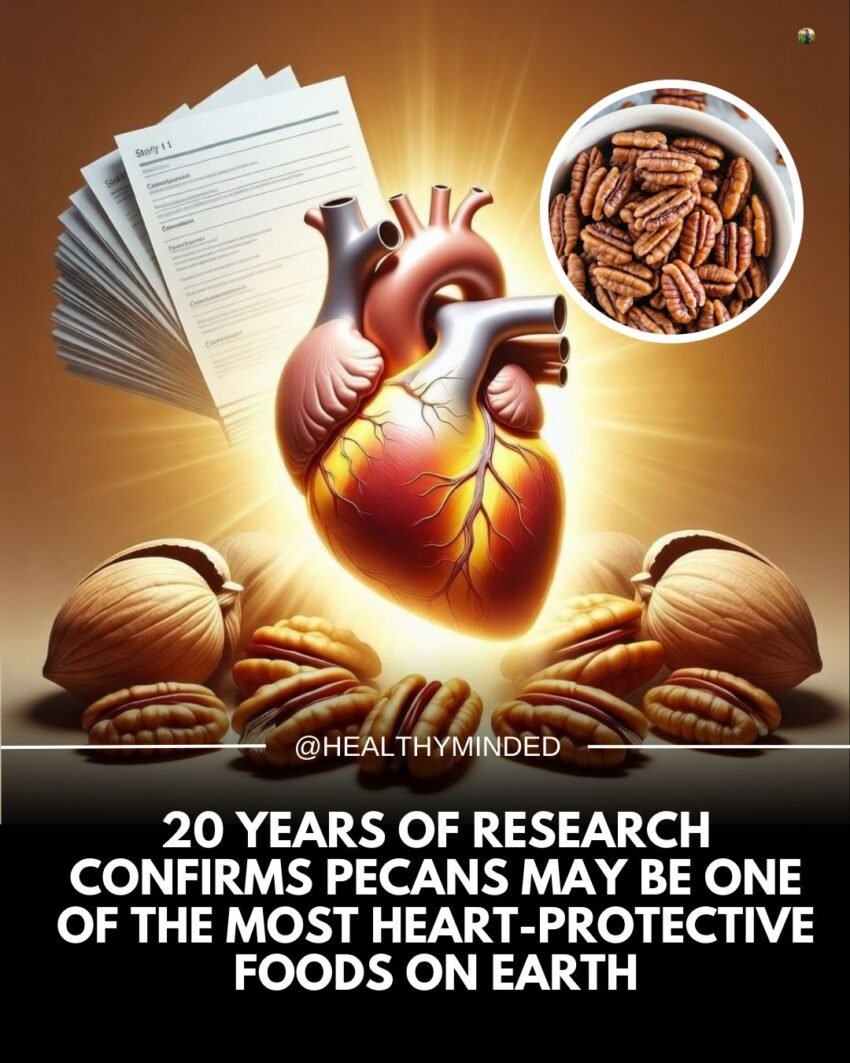
Decades of Research Confirm: Regularly Eating Pecans Can Boost Heart Health
Learn why decades of nutrition research show that pecans are heart-healthy. Discover benefits, serving tips, and how to incorporate them into your daily diet.
Introduction: The Power of Pecans for Your Heart
Heart disease remains a leading health concern in the United States, but decades of nutrition research point to a simple, delicious way to support cardiovascular health: pecans.
Eating pecans regularly can help reduce cholesterol, improve blood vessel function, and support overall heart health. And the best part? They taste great as a snack, in salads, or as part of your favorite recipes.
In this article, we’ll explore:
-
Why pecans are heart-healthy
-
Research-backed benefits
-
How to eat them for maximum impact
-
Tips for incorporating pecans into your daily diet
Why Pecans Are Good for the Heart
Pecans are rich in:
-
Monounsaturated fats – Help lower LDL (bad cholesterol)
-
Polyunsaturated fats – Reduce inflammation and support arterial health
-
Fiber – Supports healthy digestion and cholesterol levels
-
Antioxidants – Protect cells from oxidative damage, including in the heart
-
Vitamins and minerals – Magnesium, potassium, and vitamin E for cardiovascular function
This combination makes pecans a heart-smart snack that can complement a balanced diet.
Research-Backed Benefits
1. Cholesterol Reduction
Studies show that daily consumption of pecans can reduce total and LDL cholesterol while maintaining or slightly increasing HDL (good cholesterol).
2. Blood Pressure Support
Magnesium and potassium in pecans help regulate blood pressure, especially when combined with other heart-healthy lifestyle habits.
3. Anti-Inflammatory Effects
Pecans contain polyphenols and other antioxidants that fight inflammation, a key factor in heart disease development.
4. Weight Management
Despite being calorie-dense, studies suggest nuts like pecans increase satiety, reducing overeating and supporting healthy weight, indirectly benefiting heart health.
How to Include Pecans in Your Diet
-
Snacks: A handful (about 1 ounce or 19 halves) as a mid-morning or afternoon snack
-
Salads: Sprinkle pecans over mixed greens for a crunchy, heart-healthy topping
-
Breakfast: Add chopped pecans to oatmeal, yogurt, or smoothie bowls
-
Baking: Use pecans in muffins, granola bars, or healthy desserts
-
Nut butters: Spread pecan butter on toast or fruit for a satisfying, nutrient-rich option
Tip: Stick to a serving of about 1 ounce per day to enjoy benefits without excess calories.
Precautions and Tips
-
Allergies: Avoid pecans if you have tree nut allergies
-
Portion control: High-calorie density—moderation is key
-
Combine with other heart-healthy habits: Exercise, whole grains, fruits, and vegetables amplify benefits
Frequently Asked Questions
1. How many pecans should I eat daily?
1 ounce (about 19 halves) is ideal for heart health benefits.
2. Can pecans lower cholesterol on their own?
They help, but a balanced diet and healthy lifestyle are essential for meaningful impact.
3. Are roasted pecans as healthy as raw?
Yes, lightly roasted pecans retain most nutrients; avoid heavily salted or sugared varieties.
4. Can pecans help with weight loss?
They support satiety and portion control, but they should complement a calorie-controlled diet.
5. Are pecans better than other nuts?
Pecans are particularly high in antioxidants and monounsaturated fats, but most nuts offer heart benefits.
Decades of research confirm what nutrition science has been saying for years: regularly eating pecans supports heart health. From lowering cholesterol to reducing inflammation, pecans are a simple, delicious way to protect your cardiovascular system.
Add them to your daily routine, and you’ll be giving your heart a crunchy, tasty boost every day.