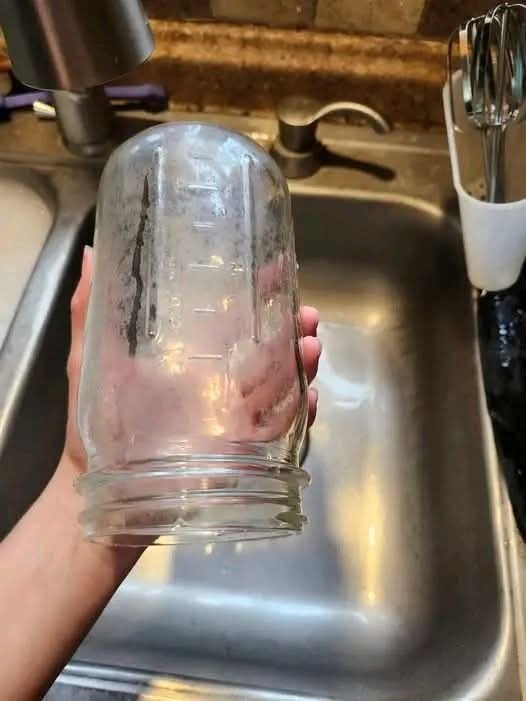
How to Clean Old Canning Jars After 30+ Years Without Using Bleach
Got old jars covered in stubborn film from decades of storage? Learn safe, bleach-free ways to clean and restore them for canning, crafting, or storage.
Introduction: A Treasure Trove of Jars
Finding over 100 old jars in a run-down cellar is exciting—but decades of dust, grime, and mineral deposits can make them look impossible to clean. If you’re allergic to bleach, no worries! There are plenty of safe, effective alternatives to restore your jars so they’re usable and sparkling again.
This guide shares step-by-step methods and tips to remove stubborn film without harsh chemicals.
Why the Film Appears
Before cleaning, it helps to understand why your jars have that cloudy or sticky layer:
-
Hard water deposits: Minerals from water left during previous use or rinsing
-
Dust and dirt accumulation: Especially after decades in an open, unprotected cellar
-
Residual oils or organic material: Old food particles or grease that settled over time
Step 1: Soak in Hot, Soapy Water
-
Fill a basin or sink with hot water and mild dish soap
-
Submerge the jars for 30–60 minutes to loosen dirt and grime
-
Use a soft sponge or bottle brush to scrub gently
Tip: Avoid steel wool—it can scratch glass and leave fibers behind.
Step 2: Use Baking Soda for Tough Residue
Baking soda is a gentle, natural abrasive that removes stubborn film without harsh chemicals.
-
Sprinkle baking soda inside and outside the jar
-
Add a few drops of water to make a paste
-
Rub with a soft sponge, focusing on clouded areas
-
Rinse thoroughly with warm water
Optional: Let jars soak in a baking soda solution (1–2 tablespoons per quart of water) for a few hours for heavy deposits.
Step 3: Vinegar or Lemon for Mineral Deposits
If your jars have white, chalky hard water stains, acidic solutions work wonders:
-
Mix equal parts white vinegar and water
-
Submerge jars for 30–60 minutes
-
For extra stubborn spots, rub with a cut lemon or use vinegar with baking soda paste
-
Rinse thoroughly afterward to remove the smell
Tip: Vinegar also helps sanitize the jars naturally.
Step 4: Salt as a Gentle Scrubber
-
Pour a tablespoon of coarse salt inside the jar
-
Add a splash of warm water
-
Shake or scrub gently
-
Works especially well on the bottom or corners of jars
Step 5: Dry Thoroughly
-
After cleaning, air-dry jars upside down on a clean towel
-
Make sure lids and rings are dry and free of rust before storing
Bonus Tips
-
Use rubber gloves to protect your hands during prolonged scrubbing
-
For extremely stubborn odors, baking soda overnight soak helps neutralize them
-
Check lids carefully—after decades, many may need to be replaced even if the jar is intact
Real-Life Example
Sarah, 62, Ohio:
“I found 50 old jars in my cellar. Baking soda paste plus vinegar soak removed all the film. Now they look almost new, and I can reuse them for preserves safely!”
Frequently Asked Questions
1. Can I use these jars for food after cleaning?
Yes, as long as the glass is intact, cracks-free, and the lids are replaced or sterilized.
2. Will vinegar or baking soda scratch the glass?
No, these methods are gentle and safe for glass.
3. Can I reuse the old lids?
If they’re rusty or the rubber seal is cracked, it’s safer to replace them.
4. Is there a faster method for 100+ jars?
Soaking in large tubs with vinegar or baking soda solution in batches speeds up the process.
5. Can I use dishwasher after this?
Yes, if your dishwasher is strong enough. Pre-cleaning will prevent residue from sticking.
Decades-old jars can be restored without bleach using simple household ingredients like baking soda, vinegar, lemon, and salt. With patience, soaking, and gentle scrubbing, your jars will be ready for canning, crafting, or storage—safe, clean, and sparkling.