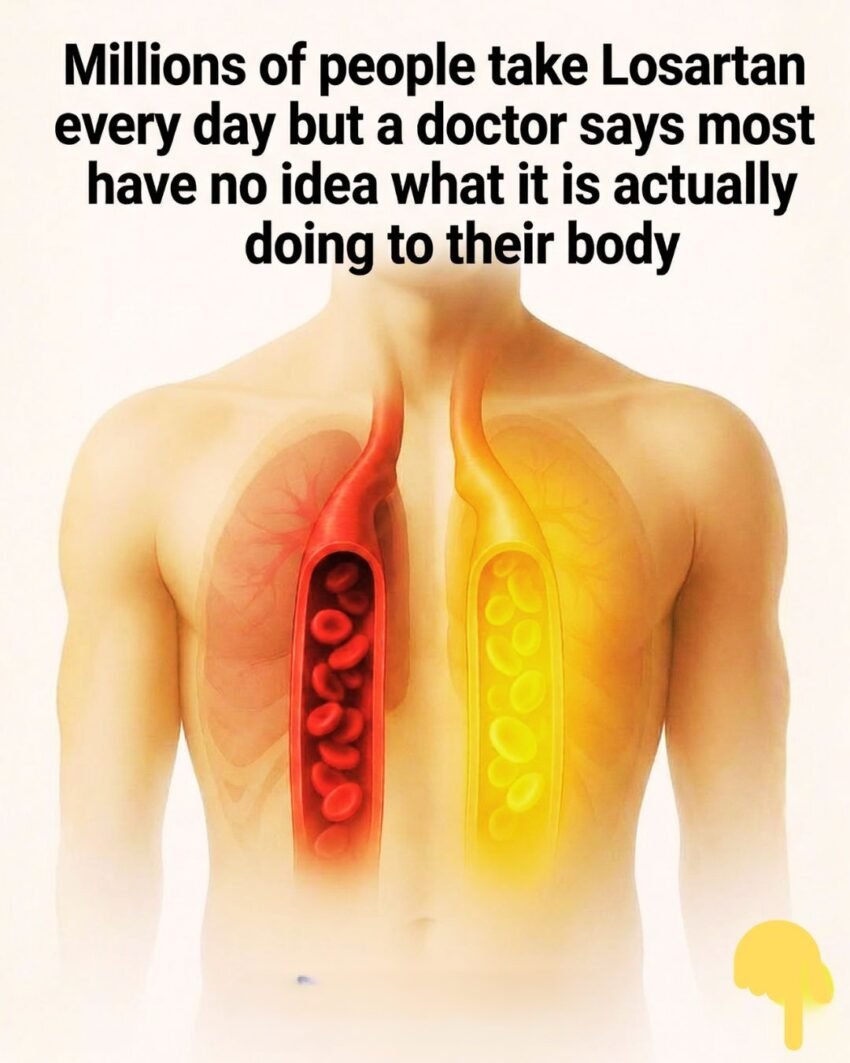
What Really Happens Inside Your Body When You Take Losartan (And Why Understanding It Matters)
Discover what happens in your body when taking Losartan. Learn how it works, benefits, side effects, and tips for safe, effective use backed by science.
Understanding Losartan: More Than Just a Blood Pressure Pill
If you’ve ever been prescribed Losartan, chances are it was to manage high blood pressure (hypertension) or protect your kidneys in conditions like type 2 diabetes.
Yet many patients take it without fully understanding how it works inside the body. Knowing the science behind Losartan can help you appreciate why it’s effective, how to use it safely, and what to expect over time.
In this detailed guide, we’ll explore:
-
How Losartan works at a physiological level
-
Its effects on your heart, kidneys, and blood vessels
-
Common side effects and why they happen
-
Tips for maximizing benefits and minimizing risks
-
Real-world scenarios and practical advice
By the end, you’ll have a clear picture of what goes on inside your body when taking Losartan — knowledge that empowers you to make better health decisions.
What Is Losartan?
Losartan belongs to a class of medications called Angiotensin II Receptor Blockers (ARBs).
Here’s what that means in plain language:
-
Your body produces a hormone called angiotensin II, which narrows blood vessels and can raise blood pressure.
-
Losartan blocks the effects of this hormone, helping blood vessels relax.
-
This reduces blood pressure, lowers stress on the heart, and helps protect your kidneys.
Unlike older blood pressure drugs, ARBs like Losartan target the hormone directly, making them gentler on the body and often better tolerated.
How Losartan Works Inside Your Body
When you take Losartan, several processes occur at the cellular and systemic levels:
1. Blocking Angiotensin II Receptors
Losartan binds to angiotensin II type 1 (AT1) receptors, preventing the hormone from attaching.
This causes:
-
Relaxation of blood vessels (vasodilation)
-
Lower blood pressure
-
Reduced workload on the heart
Think of it as removing a constricting clamp from your blood vessels.
2. Reducing Aldosterone Production
Angiotensin II normally signals your adrenal glands to release aldosterone, a hormone that causes your kidneys to retain sodium and water.
When Losartan blocks this pathway:
-
Your body excretes excess sodium and water
-
Blood volume decreases slightly
-
Blood pressure lowers further
This dual action — relaxing vessels and reducing fluid retention — is why Losartan is so effective.
3. Protecting the Kidneys
Losartan is often prescribed for patients with diabetic kidney disease.
By relaxing the blood vessels in the kidneys and reducing pressure inside the glomeruli (tiny filtration units), Losartan helps:
-
Reduce protein leakage into urine
-
Preserve kidney function over time
This kidney-protective effect makes it a critical medication for people at risk of chronic kidney disease.
4. Supporting Heart Health
High blood pressure puts strain on the heart. Over time, this can lead to:
-
Left ventricular hypertrophy (heart thickening)
-
Heart failure
-
Increased risk of heart attack and stroke
By lowering blood pressure and reducing vascular resistance, Losartan:
-
Decreases heart workload
-
Helps prevent heart remodeling
-
Supports long-term cardiovascular health
What You Might Feel When Taking Losartan
Most patients tolerate Losartan well, but understanding potential effects can prevent surprises:
Common Effects
-
Slight dizziness, especially when standing up (blood pressure drops)
-
Mild fatigue as your cardiovascular system adjusts
-
Possible headache during early use
Rare but Serious Effects
-
High potassium levels (hyperkalemia)
-
Significant drop in blood pressure (hypotension)
-
Kidney function changes in susceptible individuals
Routine blood tests are often recommended to monitor potassium and kidney function, especially during the first few months.
Factors That Influence How Losartan Works
Several personal factors affect how your body responds:
-
Dosage and timing
-
Typical doses range from 25–100 mg daily, sometimes split.
-
Consistent timing helps maintain stable blood levels.
-
-
Kidney function
-
People with impaired kidneys may process Losartan more slowly.
-
-
Other medications
-
Potassium supplements, NSAIDs, or diuretics can affect outcomes.
-
-
Diet and lifestyle
-
High sodium intake can reduce effectiveness.
-
Regular exercise supports blood pressure control.
-
Real-World Scenario: How Losartan Works Over Time
Imagine a patient with moderately high blood pressure:
-
Week 1: Losartan begins binding to AT1 receptors. Blood vessels relax slightly, and some patients notice mild dizziness.
-
Week 2–4: Blood pressure gradually stabilizes. The heart works less strenuously, and kidney stress decreases.
-
Month 2+: Long-term benefits include kidney protection, reduced risk of heart remodeling, and improved cardiovascular health markers.
This slow, steady effect is why ARBs are often preferred for chronic hypertension management.
Pros and Cons of Taking Losartan
Pros
✔ Lowers blood pressure effectively
✔ Protects kidneys and heart
✔ Usually well tolerated
✔ Fewer side effects than ACE inhibitors (e.g., less cough)
✔ Convenient once-daily dosing
Cons
✖ Mild dizziness or fatigue initially
✖ Rare hyperkalemia or kidney function changes
✖ Interactions with some medications
✖ Cannot replace lifestyle changes like diet and exercise
Expert Tips for Safe and Effective Use
-
Take it at the same time daily to maintain consistent levels.
-
Stay hydrated, but avoid excessive salt that can counteract benefits.
-
Monitor potassium-rich foods and supplements, especially if you have kidney concerns.
-
Do not stop suddenly without consulting your healthcare provider — blood pressure can spike.
-
Combine with healthy lifestyle habits for maximal benefit: exercise, balanced diet, limited alcohol.
Frequently Asked Questions
How long does Losartan take to work?
Initial blood pressure reduction may occur within 1–2 weeks, but full benefits may take 4–6 weeks.
Can Losartan cause weight gain?
It is not directly linked to weight gain, though fluid balance changes may be minimal initially.
Can I take Losartan if I have kidney disease?
Yes, but your doctor will monitor kidney function and potassium levels closely.
Is Losartan safe during pregnancy?
Losartan is not recommended during pregnancy, especially in the second and third trimesters.
Can Losartan be combined with other blood pressure medications?
Yes. It is often used with diuretics or calcium channel blockers, but always under medical supervision.
Do I need to monitor blood pressure at home?
Home monitoring is encouraged to track effectiveness and detect hypotension or spikes.
Are there lifestyle changes that enhance Losartan’s effect?
Yes — a low-sodium diet, regular exercise, and maintaining healthy weight improve outcomes.
What happens if I miss a dose?
Take it as soon as you remember unless it’s close to your next scheduled dose. Do not double the dose.
Losartan does more than just lower blood pressure. Inside your body, it relaxes blood vessels, reduces sodium retention, protects the kidneys, and supports heart health.
Understanding how it works helps you use it safely, recognize potential side effects, and appreciate the long-term benefits beyond simple blood pressure numbers.
Final Thoughts
Medications like Losartan are powerful tools for chronic disease management, but they are most effective when paired with informed decision-making and lifestyle habits.
If you or a loved one are taking Losartan, consider:
-
Monitoring your response
-
Following up regularly with your healthcare provider
-
Combining medication with diet, exercise, and heart-healthy habits
Knowledge about how Losartan works empowers you to take control of your health — because understanding your medicine is just as important as taking it.
Have questions about Losartan or experiences to share? Leave a comment below and join the discussion with others learning to navigate high blood pressure safely.