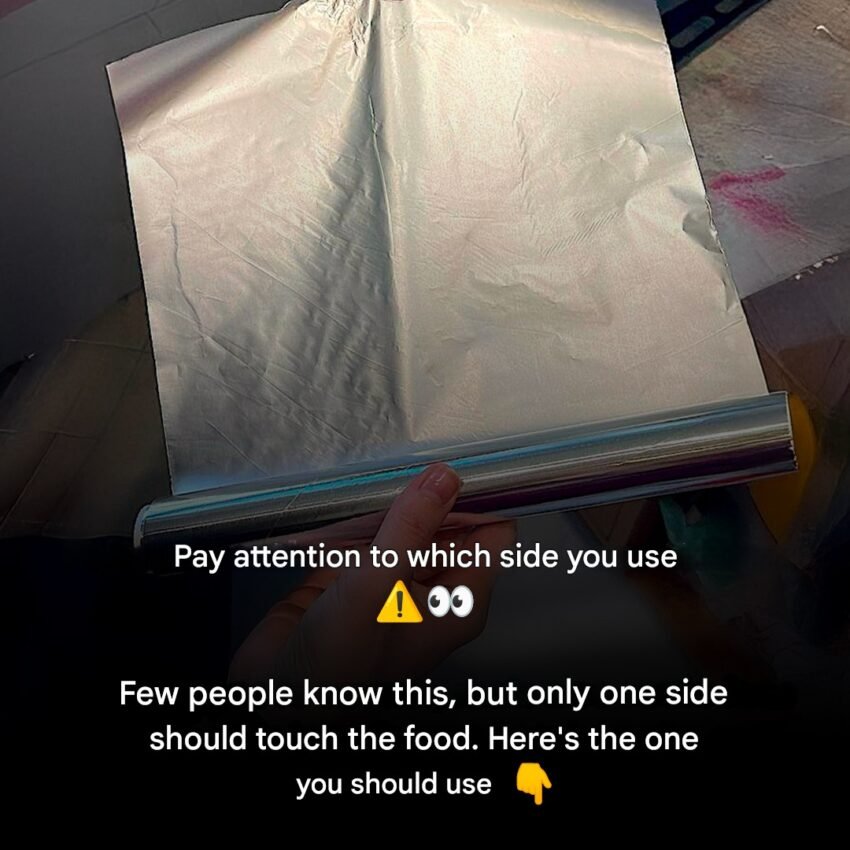
Which Side of Aluminum Foil Should You Use for Cooking — Shiny or Matte? The Truth Revealed
Ever wondered which side of aluminum foil to use when cooking? Learn the difference between shiny and matte sides, and how it affects heat, flavor, and food safety.
The Great Aluminum Foil Debate: Shiny Side vs. Matte Side
Aluminum foil is one of the most common tools in American kitchens. From baking casseroles to grilling vegetables, it’s a staple in almost every home.
But have you ever paused to wonder:
“Which side should I actually use — the shiny side or the matte side?”
For years, chefs, home cooks, and even professional food bloggers have debated this question. Some say it affects cooking times, others claim it impacts flavor. Some people don’t think it matters at all.
The truth is simpler than most people realize, and understanding it can help you cook smarter — and possibly even save a little energy in the process.
In this guide, we’ll cover:
-
The difference between shiny and matte sides of aluminum foil
-
How it affects cooking and heat transfer
-
When it actually matters
-
Tips for safe and effective use in the kitchen
-
Common mistakes and expert recommendations
Why Aluminum Foil Has Two Sides
The difference between the shiny side and the matte side isn’t cosmetic — it’s a result of how the foil is manufactured.
Here’s what happens:
-
During production, aluminum foil is rolled between heavy steel rollers.
-
The final rolling step involves two sheets rolled together, which prevents sticking.
-
The side in contact with the roller comes out shiny, while the side in contact with the other sheet is matte.
Bottom line: The difference in appearance has nothing to do with chemical coating or additives — it’s purely mechanical.
Does the Side You Use Affect Cooking?
Most of the time, it doesn’t make a significant difference.
Aluminum conducts heat extremely well, and both sides transfer heat almost identically for typical home cooking tasks.
When It Might Matter
-
Reflecting heat: The shiny side reflects more heat, which could slightly reduce browning if placed directly against food.
-
Browning vs. steaming: For baking, placing the matte side against food may allow for slightly better browning, while shiny side against food may reflect heat and prevent over-browning.
In practice, these differences are minimal for most recipes, so either side can generally be used safely.
Side-by-Side Comparison
| Feature | Shiny Side | Matte Side |
|---|---|---|
| Appearance | Bright, reflective | Dull, non-reflective |
| Heat reflection | Slightly higher | Slightly lower |
| Contact with food | Can be used interchangeably | Can be used interchangeably |
| Common advice | Often placed outward when wrapping | Often placed inward when wrapping |
Expert Tips for Using Aluminum Foil
1. Wrapping Food
-
Either side can touch food when wrapping leftovers or meats.
-
The key is seal tight to prevent moisture loss or contamination.
2. Cooking in the Oven
-
When lining baking sheets, either side can face up.
-
If you want crispier foods like roasted potatoes or pizza, either side works — just ensure even spacing and airflow.
3. Grilling
-
For foil packets, the matte side against food may allow for slightly faster browning.
-
Use the shiny side outward to reflect heat back toward the food if you want gentler cooking.
4. Microwaving
-
Do not use aluminum foil in the microwave unless your microwave’s instructions specifically allow it. Sparks and fire hazards can occur.
5. Storage
-
The shiny side can sometimes show fingerprints or smudges, so use the matte side inward if you prefer a cleaner look.
Common Myths About Aluminum Foil
-
“The shiny side is toxic”
-
False. Both sides are chemically identical; aluminum foil is food-safe.
-
-
“The matte side cooks food faster”
-
Partially false. There may be a negligible effect in heat reflection, but it’s usually insignificant.
-
-
“You must always put shiny side up”
-
False. Most recipes do not require attention to foil sides.
-
Real-World Scenario: Roasting Vegetables
Imagine roasting carrots and potatoes:
-
Line a baking sheet with foil.
-
Either side facing up is fine.
-
If you want slightly less browning for delicate vegetables, place shiny side up.
-
Roast at 400°F for 20–25 minutes.
Result: perfectly roasted vegetables regardless of which side faces up.
Pros and Cons of Using Shiny vs. Matte Side
Shiny Side Up
Pros:
-
Slightly more reflective, reducing over-browning
-
Aesthetically clean
Cons:
-
Minimal difference in heat absorption
Matte Side Up
Pros:
-
Slightly better heat absorption for browning
-
Non-reflective for better grip in wrapping
Cons:
-
Visual appearance is dull
For everyday cooking, it doesn’t matter which side of aluminum foil you use.
The most important factors are:
-
Tight sealing when wrapping
-
Even heat distribution in the oven or grill
-
Following recipe temperatures
The side of the foil is mostly a cosmetic choice, not a cooking-critical one.
Final Thoughts
Aluminum foil is a versatile kitchen tool — whether you’re roasting, grilling, or storing leftovers. Understanding the shiny vs. matte sides can satisfy your curiosity and help with optimal browning and presentation, but it won’t dramatically change cooking results.
For those who enjoy precision cooking:
-
Use shiny side outward for gentler heat reflection.
-
Use matte side against food for slightly more direct heat contact.
Otherwise, don’t stress — both sides are safe, effective, and ready to help you cook delicious meals.
Have you noticed a difference using one side over the other? Share your experience in the comments below — home cooks love these small tips!