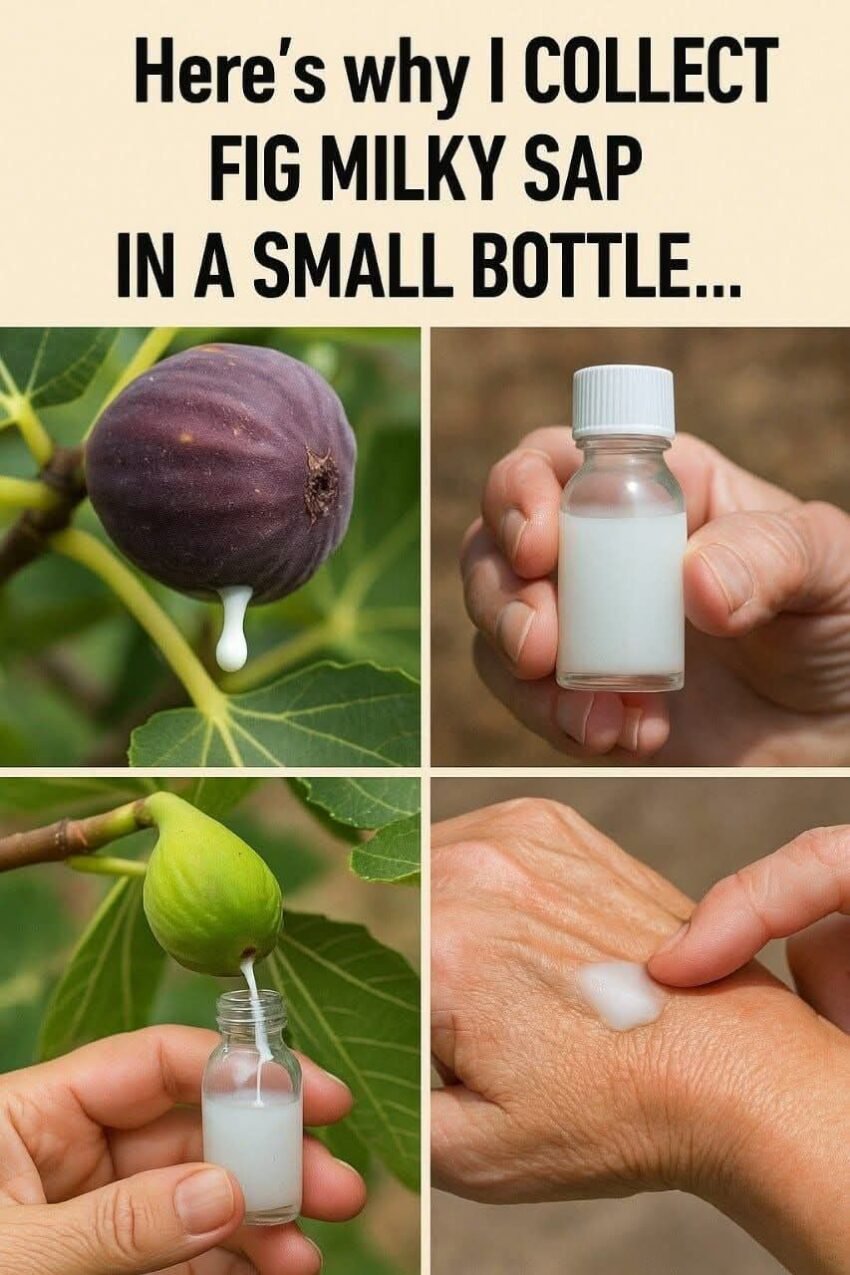
Here’s Why I Collect Fig Milky Sap in a Small Bottle (And Why You Might Consider It Too)
Discover the surprising uses of fig milky sap. Learn why people collect it, traditional benefits, and practical tips for safe handling and storage.
The Secret Life of Fig Milky Sap
If you’ve ever broken a branch of a fig tree and noticed a sticky white liquid oozing out, you’ve encountered fig milky sap.
For most people, it’s just a nuisance — it can stain clothes, stick to your skin, or leave a residue on tools. But for a growing number of enthusiasts, herbalists, and curious gardeners, this sap is a little-known treasure worth collecting.
Why would anyone go through the effort of capturing this sticky, white liquid in a small bottle? The answer lies in its unique properties, history, and potential uses.
In this guide, we’ll explore:
-
What fig milky sap actually is
-
Why some people collect it
-
Historical and traditional uses
-
Safety considerations
-
Practical ways to store and use it
By the end, you’ll see why this overlooked tree secretion is gaining attention from gardeners, herbalists, and natural remedies enthusiasts alike.
What Is Fig Milky Sap?
The fig tree, scientifically known as Ficus carica, produces a latex-like substance when cut.
Key points about fig milky sap:
-
It is white or milky in appearance, thick, and sticky
-
Contains natural enzymes and compounds specific to fig trees
-
Produced naturally by the tree to seal wounds and protect against pests
-
Found in stems, leaves, and unripe fruit
The sap is rich in proteolytic enzymes, which can break down proteins, giving it unique properties.
Why People Collect Fig Milky Sap
There are several reasons why collectors find fig sap valuable:
1. Traditional Herbal Uses
In folk medicine, fig sap has been used for centuries to:
-
Address minor skin irritations and warts
-
Support digestive processes (in very small, controlled amounts)
-
Act as a natural sealant for cuts or surfaces
While these uses are mostly traditional, many enthusiasts report practical, small-scale benefits.
2. Natural Cosmetic Applications
Some gardeners and herbalists use fig sap in DIY skincare:
-
Gentle exfoliation (due to proteolytic enzymes)
-
Incorporation into small batches of natural soaps or creams
-
Occasional use in natural hair remedies for shine
It’s important to dilute sap carefully, as raw latex can irritate sensitive skin.
3. Botanical Curiosity and Experimentation
For plant enthusiasts, collecting sap is like preserving a living extract:
-
You can study its color, viscosity, and properties over time
-
Add it to small herbal experiments
-
Use it for educational purposes, showing how plants produce protective compounds
Some people even keep it as a novelty or conversation piece, like a living botanical specimen.
4. Potential Craft Uses
The sticky nature of the sap makes it useful for:
-
Small natural adhesives
-
Sealants for tiny containers or plant grafting
-
Botanical art projects
Although niche, these applications highlight the versatility of fig latex.
How to Collect Fig Milky Sap Safely
Collecting sap may sound simple, but there are a few precautions:
-
Wear gloves — the sap can irritate skin for sensitive individuals.
-
Use a small glass bottle — plastic may degrade or stick to the latex.
-
Collect from healthy, unripe branches — avoid diseased or moldy areas.
-
Avoid direct contact with eyes — it’s highly irritating.
-
Sterilize the bottle before storing to prevent contamination.
How to Store Fig Milky Sap
Proper storage preserves its texture and reduces spoilage:
-
Keep in a small glass container with a tight lid
-
Store in a cool, dark place
-
Avoid exposure to sunlight, which can degrade enzymes
-
Some people refrigerate it for long-term storage
Tips for First-Time Collectors
-
Start with just a few drops; you don’t need much to experiment
-
Label your bottles with date and branch info
-
Test on a small skin patch if planning topical use
-
Be patient — the sap is sticky and thick, so handling requires care
Historical and Cultural Context
Fig trees have been used for thousands of years in:
-
Ancient Mediterranean medicine — latex and leaves applied topically
-
Traditional Middle Eastern remedies — fig latex used for minor skin conditions
-
Folk practices in India and Africa — sap as a protective agent for plants and wood
Collecting fig sap continues a long line of botanical curiosity and practical experimentation.
Caution and Safety Considerations
While fig sap has interesting properties:
-
Avoid ingesting raw sap in large quantities — it contains compounds that can irritate the digestive tract
-
Skin irritation can occur, especially for sensitive individuals
-
Do not use on broken skin or open wounds without proper dilution
-
If irritation occurs, wash immediately with soap and water
Real-Life Example: My Mini Sap Collection
I keep a small amber glass bottle in a cool cabinet:
-
Collected a few drops from a healthy branch
-
Stored it away from light to preserve enzymes
-
Occasionally add a tiny drop to homemade soaps or lotions
Over time, I’ve observed its consistency changes slightly, thickening with age, but it remains sticky and fragrant — a small testament to the living nature of the fig tree.
Why It’s Worth Considering
Collecting fig sap may seem unusual, but for people who:
-
Enjoy botanical experimentation
-
Appreciate traditional plant remedies
-
Like to explore natural DIY crafts
…it’s a rewarding, low-cost, and fascinating hobby.
Even if you never use it practically, having a small bottle of living tree sap on your shelf connects you to nature in a tangible way.
Fig milky sap is far more than just a sticky nuisance. It’s a living extract with historical, cosmetic, and experimental value.
From small DIY applications to educational curiosity, a few drops in a tiny bottle can open the door to:
-
Botanical exploration
-
Natural remedies
-
Hands-on learning about plant biology
Final Thoughts
Sometimes the smallest things — a drop of sap from a fig tree — can reveal the incredible ingenuity of nature.
If you’re curious, start with a tiny collection, handle it safely, and observe how it changes over time. It’s a humble but fascinating way to connect with one of humanity’s oldest cultivated trees.
Have you ever tried collecting fig sap or experimenting with plant extracts? Share your experiences in the comments and join the conversation with fellow plant enthusiasts.