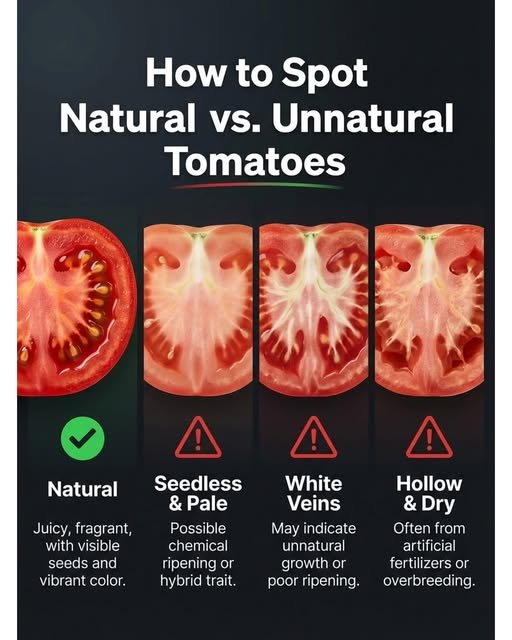
The Hidden Indicators of Quality in Your Everyday Tomatoes: How to Pick the Juiciest, Most Flavorful Ones
Learn the secret signs of high-quality tomatoes. Discover how to pick ripe, flavorful, and nutrient-rich tomatoes every time for salads, sauces, and more.
The Hidden Indicators of Quality in Your Everyday Tomatoes
Tomatoes are a staple in American kitchens—from summer salads to homemade sauces and sandwiches. But not all tomatoes are created equal. Some look vibrant but lack flavor, while others are small but incredibly juicy.
Knowing the hidden indicators of quality can save you money, enhance flavor, and improve nutrition. This guide will show you:
-
How to select the best tomatoes at the store or market
-
The subtle signs of ripeness and flavor
-
Tips for storing and handling tomatoes to maintain quality
-
Expert insights on tomato varieties and their uses
Why Choosing the Right Tomato Matters
Tomatoes vary widely in taste, texture, and nutritional content. Selecting high-quality tomatoes ensures:
-
Better flavor: More natural sweetness and tang
-
Richer nutrients: Higher levels of antioxidants like lycopene
-
Improved texture: Juicy, firm flesh for cooking or fresh eating
-
Less waste: Fewer spoiled or mushy tomatoes at home
Even small differences, like how you pick and store tomatoes, can dramatically affect your meals.
1. Look Beyond Color
Many people think bright red equals ripe, but this isn’t always the case.
Indicators of Quality:
-
Uniform color with slight variation: Small green patches near the stem are normal in vine-ripened tomatoes.
-
Deep, rich hue: A sign of high lycopene content, which gives flavor and nutrition.
-
Avoid overly glossy or artificial-looking skin: It may indicate chemical waxes or early picking before ripening.
2. Check the Texture
A tomato’s texture is a strong indicator of freshness and ripeness.
-
Gently squeeze: Ripe tomatoes give slightly but shouldn’t feel mushy.
-
Smooth, unwrinkled skin: Wrinkles may indicate overripe or dehydrated fruit.
-
Firm stem area: Softness near the stem can suggest internal decay.
3. Smell the Tomato
A tomato’s aroma tells you more than color or texture.
-
Sweet, earthy scent at the stem: Indicates full ripeness and flavor.
-
Little to no smell: May be underripe or lacking taste.
-
Musty or sour odor: Avoid, as this could mean spoilage.
4. Examine the Stem and Calyx
The area around the stem (calyx) reveals subtle quality cues:
-
Green, fresh stem leaves: Indicates freshness and proper harvesting.
-
Dry, brown, or brittle stem: Older tomato or overripe.
-
Firm attachment: A tomato that detaches too easily may have been picked early.
5. Consider Weight
A tomato’s weight correlates with juiciness:
-
Heavy for its size: Juicy and full of water content.
-
Light or hollow-feeling: May be dry or mealy inside.
This simple test is especially helpful for beefsteak or heirloom varieties.
6. Varietal Differences
Different tomato varieties have distinct qualities:
| Variety | Ideal Use | Flavor Profile | Quality Indicators |
|---|---|---|---|
| Beefsteak | Sandwiches, burgers | Sweet, meaty | Firm, heavy, uniform color |
| Cherry | Salads, snacking | Sweet, tangy | Shiny, smooth skin, firm |
| Roma / Plum | Sauces, cooking | Less juicy, dense | Firm, deep color, few blemishes |
| Heirloom | Fresh eating | Complex, tangy | Slightly irregular shape, fragrant, firm |
Knowing the variety helps you choose the right tomato for your recipe.
7. Storage Matters
Even high-quality tomatoes can lose flavor or texture if stored improperly:
-
Keep at room temperature for best flavor; avoid refrigerating unless fully ripe and you need to extend shelf life.
-
Stem-side down on a flat surface to prevent moisture loss.
-
Use within 2–3 days for peak freshness.
Real-Life Scenario
A home cook once bought vibrantly red tomatoes at the supermarket, only to find them flavorless when slicing for a salad. By applying these hidden quality indicators:
-
Checking stem freshness
-
Gently squeezing for firmness
-
Smelling for sweetness
They later found vine-ripened tomatoes at a local farmers market that were juicier, tastier, and lasted longer—perfect for fresh salads and sauces.
Common Mistakes People Make
-
Choosing by color alone: Can lead to bland or under-ripe tomatoes.
-
Ignoring aroma: Misses flavor cues that color cannot show.
-
Refrigerating immediately: Can diminish taste and texture.
-
Overlooking variety: Different recipes require different tomato types.
-
Neglecting weight: Lightweight tomatoes may be dehydrated or mealy.
Tips for the Best Tomato Experience
-
Buy seasonal and local when possible—flavor is better than supermarket out-of-season tomatoes.
-
Try heirloom varieties for complex flavors in fresh dishes.
-
Use your senses: sight, touch, and smell are more reliable than labels.
-
Store at room temperature and consume within a few days.
-
Pair with fresh herbs, olive oil, or vinegar to enhance natural sweetness.
High-quality tomatoes are more than just red fruit on the shelf. By paying attention to color variations, texture, smell, weight, stem condition, and variety, you can consistently select tomatoes that are:
-
Juicy and flavorful
-
Nutrient-rich
-
Perfect for fresh eating or cooking
💬 Do you have a favorite method for picking tomatoes?
Share your tips and discoveries in the comments to help others choose the best tomatoes for every meal.