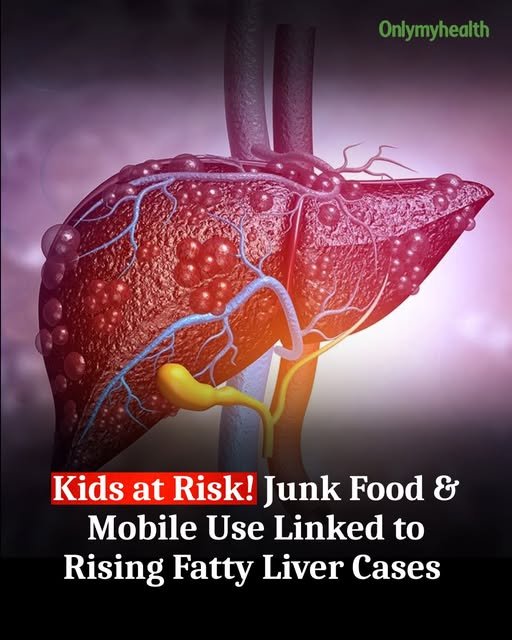
⚠️ Rising Cases of Fatty Liver Disease in Children: A Serious Warning for Parents
It’s a scene no parent ever wants to imagine: your child, bright and full of energy, starts showing subtle signs of fatigue, tummy discomfort, or unexplained weight changes. You might dismiss it as growth spurts, picky eating, or busy schedules. But behind the scenes, a silent health threat is rising—non-alcoholic fatty liver disease (NAFLD).
Once considered an adult condition, fatty liver disease is now increasingly being diagnosed in children, even as young as 8 or 9 years old. Experts warn that lifestyle shifts, rising childhood obesity, and poor dietary habits are driving this epidemic.
What Is Fatty Liver Disease in Children?
Fatty liver disease occurs when excess fat builds up in the liver cells, impairing liver function over time. In children, the condition is often asymptomatic at first, making early detection difficult. Left untreated, it can progress to inflammation (steatohepatitis), scarring, or even cirrhosis in adolescence or adulthood.
Key risk factors include:
- Obesity and overweight
- High sugar and processed food intake
- Sedentary lifestyle
- Family history of liver disease or metabolic syndrome
Why the Cases Are Rising
Several societal trends are fueling this rise:
- Increased Childhood Obesity: The World Health Organization reports rising obesity rates among children worldwide, which is a major risk factor.
- Dietary Shifts: Sugary drinks, fast food, and highly processed snacks are staples in many kids’ diets.
- Sedentary Lifestyles: Screen time has replaced outdoor play for many children, reducing physical activity essential for liver health.
- Lack of Awareness: Parents and even pediatricians may overlook early signs, delaying intervention.
Symptoms to Watch For
Children with fatty liver disease may not always show obvious symptoms, but subtle clues include:
- Fatigue or low energy
- Mild abdominal discomfort, especially in the upper right abdomen
- Unexplained weight gain or difficulty losing weight
- Dark circles under eyes or skin changes (in rare cases)
- Enlarged liver detected during routine checkups
Important: Routine blood tests or imaging may be required for diagnosis, as symptoms are often mild.
Why Early Intervention Matters
Fatty liver disease is largely reversible in children if addressed early. Lifestyle changes such as improving diet, increasing physical activity, and reducing sugar intake can significantly improve liver health. Delaying intervention can lead to serious long-term consequences, including liver failure, diabetes, and cardiovascular disease.
Practical Steps Parents Can Take
1. Promote a Balanced Diet
- Encourage vegetables, fruits, lean proteins, and whole grains
- Limit sugary drinks, sodas, and processed snacks
- Replace refined carbohydrates with healthier alternatives
2. Encourage Regular Physical Activity
- Aim for at least 60 minutes of moderate activity daily
- Include fun activities like cycling, swimming, or dancing
- Reduce prolonged screen time
3. Regular Health Checkups
- Ask your pediatrician to monitor liver function during routine visits
- Early blood tests or ultrasound scans can detect changes before symptoms worsen
4. Educate and Involve Your Child
- Teach them about healthy eating habits and active lifestyles
- Make it a family effort to encourage positive, lasting changes
Lifestyle Changes That Can Help Reverse Fatty Liver Disease
- Gradual weight loss for overweight children (1–2 lbs per month is safe)
- Swap sugary snacks with fruits or yogurt
- Cook meals at home instead of relying on fast food
- Make exercise fun: sports, hikes, or family walks after dinner
When to See a Doctor
Seek medical advice if your child shows persistent:
- Abdominal pain or discomfort
- Fatigue that affects daily activities
- Rapid weight gain or difficulty losing weight
- Jaundice (yellowing of skin or eyes)
Early detection can make a huge difference in treatment outcomes.
Raising Awareness: A Family Responsibility
The rise of fatty liver disease in children is not just a medical issue—it’s a wake-up call for parents. Healthy habits established early can prevent a lifetime of complications. As parents, awareness, proactive screening, and lifestyle guidance are the most powerful tools we have.
Key Takeaways
- Fatty liver disease is increasing among children worldwide.
- Early detection is crucial to prevent long-term liver damage.
- Lifestyle interventions—healthy eating, physical activity, and routine checkups—can reverse the disease.
- Parents play a critical role in creating a healthy environment at home.
If you’re a parent, take a moment today to review your child’s lifestyle. Encourage healthy eating, active play, and regular checkups. Talk to your pediatrician about liver health—it’s never too early to prevent fatty liver disease.
Share this post with fellow parents. Awareness saves lives, and early action can give our children a healthier, happier future.