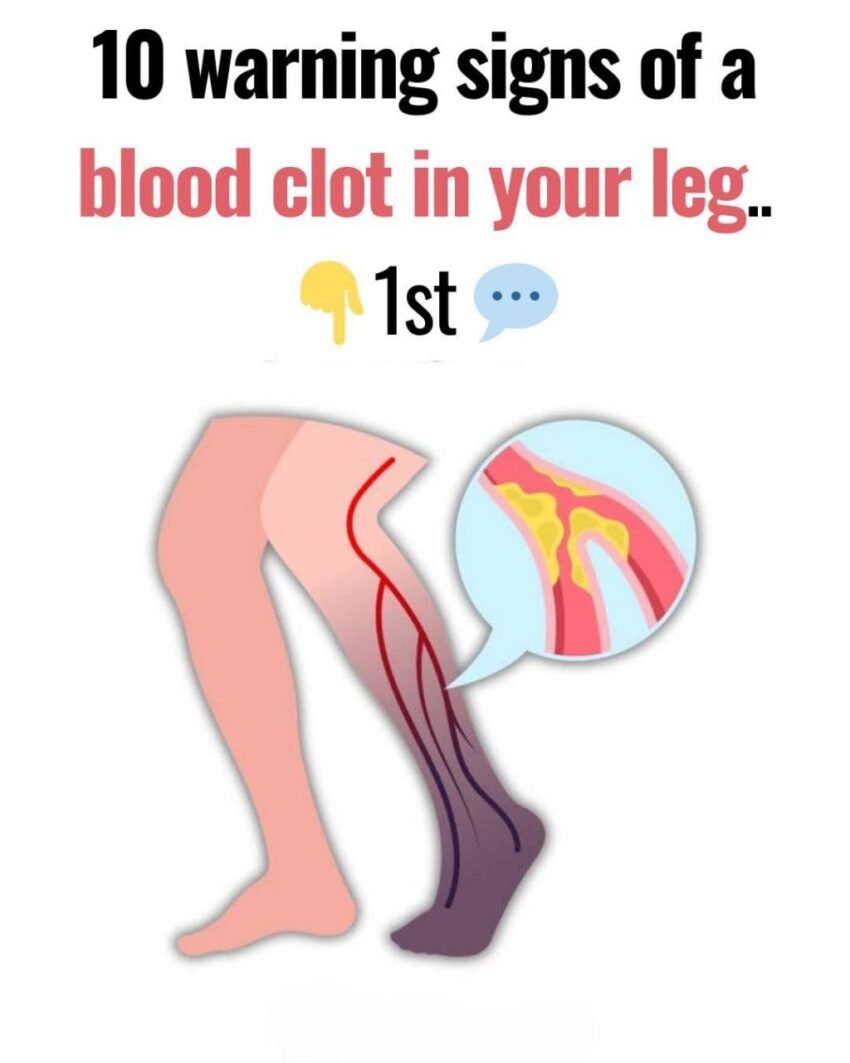
10 Silent Warning Signs of Dangerous Blood Clots in the Legs (DVT) You Should Never Ignore
Blood clots in the legs can become deadly fast. Discover 10 early DVT warning signs, how to respond, and how to protect your health before it’s too late.
The Hidden Threat Most People Miss Until It’s Too Late
It doesn’t always start with pain.
For many Americans, deep vein thrombosis (DVT) shows up quietly—just a little leg discomfort, a slight swelling, maybe a cramp that feels like nothing serious. Then suddenly, it escalates into something far more dangerous.
Every year in the United States, hundreds of thousands of people develop blood clots in their legs. According to estimates from major health organizations like the CDC, untreated DVT can lead to a pulmonary embolism, a life-threatening condition where a clot travels to the lungs.
Here’s the problem: most people don’t recognize the early signs.
This guide breaks down 10 subtle but critical warning signs of blood clots in the legs, along with real-world context, practical prevention tips, and what to do if you suspect something isn’t right.
What Is Deep Vein Thrombosis (DVT)?
Deep vein thrombosis occurs when a blood clot forms in a deep vein, usually in the legs.
These clots can:
- Block blood flow
- Damage veins
- Break loose and travel to the lungs (pulmonary embolism)
Why It Matters in the U.S.
DVT is more common than many realize, especially due to:
- Sedentary lifestyles (desk jobs, long drives)
- Rising obesity rates
- Increased air travel
- Aging population
Even otherwise healthy people can develop DVT under the right conditions.
10 Early Warning Signs of Blood Clots in the Legs
1. Unexplained Leg Swelling
One of the earliest and most common signs.
- Usually affects one leg
- May come on gradually or suddenly
- Can feel tight or heavy
Real-life scenario:
After a long road trip across Texas, someone notices one calf looks visibly larger than the other. It’s easy to brush off—but it shouldn’t be.
2. Persistent Leg Pain or Tenderness
This isn’t your typical sore muscle.
- Often starts in the calf
- Feels like a cramp or soreness
- Gets worse when standing or walking
Key difference: It doesn’t improve with rest like normal muscle fatigue.
3. Warm Skin in One Area
If one part of your leg feels noticeably warmer than the surrounding areas, it may indicate inflammation caused by a clot.
- Localized warmth
- Often accompanies swelling or pain
4. Skin Redness or Discoloration
The affected area may appear:
- Red
- Reddish-blue
- Pale or slightly purple
This happens because blood flow is disrupted.
5. Leg Fatigue That Feels “Different”
People often describe it as:
- A heavy, dragging sensation
- Unusual tiredness in one leg
- Not linked to exercise
It’s subtle—but important.
6. Enlarged Surface Veins
You might notice:
- Veins becoming more visible
- A “rope-like” appearance under the skin
This occurs because blood is rerouting around the clot.
7. Sudden Cramping (Especially at Night)
Not all cramps are harmless.
DVT-related cramps:
- Often occur in the calf
- Can wake you up at night
- Don’t resolve with stretching
8. Pain When Flexing the Foot
A classic (but not definitive) sign:
- Pain increases when pointing toes upward
- Indicates strain in the calf muscle due to clot pressure
9. Skin That Feels Tight or Stretched
Swelling can cause the skin to feel:
- Glossy
- Tight
- Uncomfortable when touched
10. Symptoms After Long Periods of Inactivity
Pay close attention if symptoms appear after:
- Long flights (especially 4+ hours)
- Extended car rides
- Bed rest or recovery from surgery
This is when DVT risk spikes.
When It Becomes an Emergency
If a clot travels to the lungs, it becomes a pulmonary embolism (PE).
Watch for these urgent symptoms:
- Sudden shortness of breath
- Chest pain (especially when breathing deeply)
- Rapid heart rate
- Lightheadedness or fainting
Call emergency services immediately if these occur.
Why DVT Often Goes Undetected
Many people ignore early signs because they resemble:
- Muscle strain
- Dehydration cramps
- Minor injuries
Common Misjudgments:
- “It’s just a charley horse”
- “I sat too long, that’s all”
- “It’ll go away on its own”
Unfortunately, waiting can be dangerous.
Who Is Most at Risk?
High-risk groups in the U.S.:
- Office workers with prolonged sitting
- Frequent travelers
- People over age 60
- Smokers
- Pregnant or postpartum women
- Individuals on hormone therapy or birth control
- Those recovering from surgery or injury
Step-by-Step: What To Do If You Notice Symptoms
1. Don’t Ignore It
Even mild symptoms should be taken seriously.
2. Avoid Massaging the Area
This can dislodge a clot and make it travel.
3. Limit Movement Until Evaluated
Especially if pain or swelling is severe.
4. Contact a Healthcare Provider Immediately
Urgent care or ER may be appropriate.
5. Expect Diagnostic Tests
Doctors may use:
- Ultrasound
- Blood tests (D-dimer)
- Imaging scans
Prevention Strategies That Actually Work
Daily Habits That Reduce Risk
- Move every 1–2 hours if sitting
- Stay hydrated
- Maintain a healthy weight
- Wear compression socks if recommended
During Travel
- Stand and walk every hour
- Flex and stretch legs while seated
- Avoid crossing legs for long periods
After Surgery or Illness
- Follow mobility instructions closely
- Take prescribed blood thinners if directed
Pros and Cons of Early Detection Awareness
| Pros | Cons |
|---|---|
| Can prevent life-threatening complications | May cause anxiety over minor symptoms |
| Encourages proactive health behavior | Requires medical evaluation to confirm |
| Improves long-term mobility outcomes | Some symptoms overlap with harmless conditions |
Common Mistakes People Make
1. Waiting Too Long
Delays increase risk of complications.
2. Self-Diagnosing
Google searches don’t replace medical imaging.
3. Ignoring Mild Symptoms
Early signs are often subtle.
4. Assuming Fitness Equals Immunity
Even athletes can develop DVT.
Expert Tips Most People Don’t Know
- Hydration affects blood thickness — dehydration increases clot risk
- Tight clothing can restrict circulation in some cases
- Frequent flyers should consider compression socks, especially on long-haul trips
- Even short walks matter — just 2–3 minutes of movement per hour can help
Mini Case Example: A Close Call
A 42-year-old office worker in Chicago noticed calf soreness after a week of long meetings. He assumed it was muscle strain.
Two days later, swelling appeared.
He visited urgent care, where an ultrasound confirmed DVT. Early detection allowed treatment with blood thinners—preventing a potentially fatal pulmonary embolism.
Lesson: Subtle signs matter.
2026 Update: Why Awareness Is Increasing
Recent health trends in the U.S. show:
- More remote work → longer sitting periods
- Increased wearable tech detecting abnormal patterns
- Greater public awareness through health campaigns
Doctors are now emphasizing early symptom recognition more than ever.
Future Outlook: Smarter Prevention
Emerging developments include:
- AI-assisted diagnosis tools
- Wearables that monitor circulation patterns
- Personalized risk assessments
While promising, awareness remains your first line of defense.
Frequently Asked Questions (FAQs)
1. Can a blood clot go away on its own?
Some small clots may dissolve, but many require treatment. Never assume it’s safe to wait.
2. How quickly can DVT become dangerous?
It can escalate within hours to days if a clot travels to the lungs.
3. Is DVT always painful?
No. Some people experience minimal or no pain.
4. Can young people get DVT?
Yes—especially with risk factors like travel, dehydration, or genetics.
5. Are both legs usually affected?
Typically, DVT affects one leg, not both.
6. Is walking good or bad if I suspect DVT?
Avoid unnecessary movement until evaluated by a doctor.
7. Can exercise prevent DVT?
Regular movement helps reduce risk, but it’s not a guarantee.
8. What’s the difference between DVT and a muscle cramp?
DVT pain persists and may worsen, while cramps usually resolve quickly.
9. Do compression socks really help?
Yes, especially for travel or prolonged sitting—if used correctly.
10. Should I go to the ER or urgent care?
If symptoms are significant or worsening, go immediately.
Quick Action Checklist
If you notice possible symptoms:
✔ Compare both legs for swelling
✔ Pay attention to unusual pain or warmth
✔ Avoid massaging the area
✔ Limit movement
✔ Seek medical evaluation immediately
Awareness Can Save Your Life
Blood clots don’t always announce themselves loudly.
They whisper first—through subtle discomfort, minor swelling, or a feeling that something just isn’t right.
The difference between a close call and a life-threatening emergency often comes down to how quickly you recognize those signals.
- DVT is common, serious, and often overlooked
- Early symptoms are subtle but detectable
- Acting quickly can prevent deadly complications
- Prevention is simple—but requires consistency
If this guide helped you, consider sharing it with someone who spends long hours sitting or traveling. You never know who might need it.
And if you’ve ever experienced symptoms like these, what did it feel like? Your story could help others recognize the warning signs sooner.