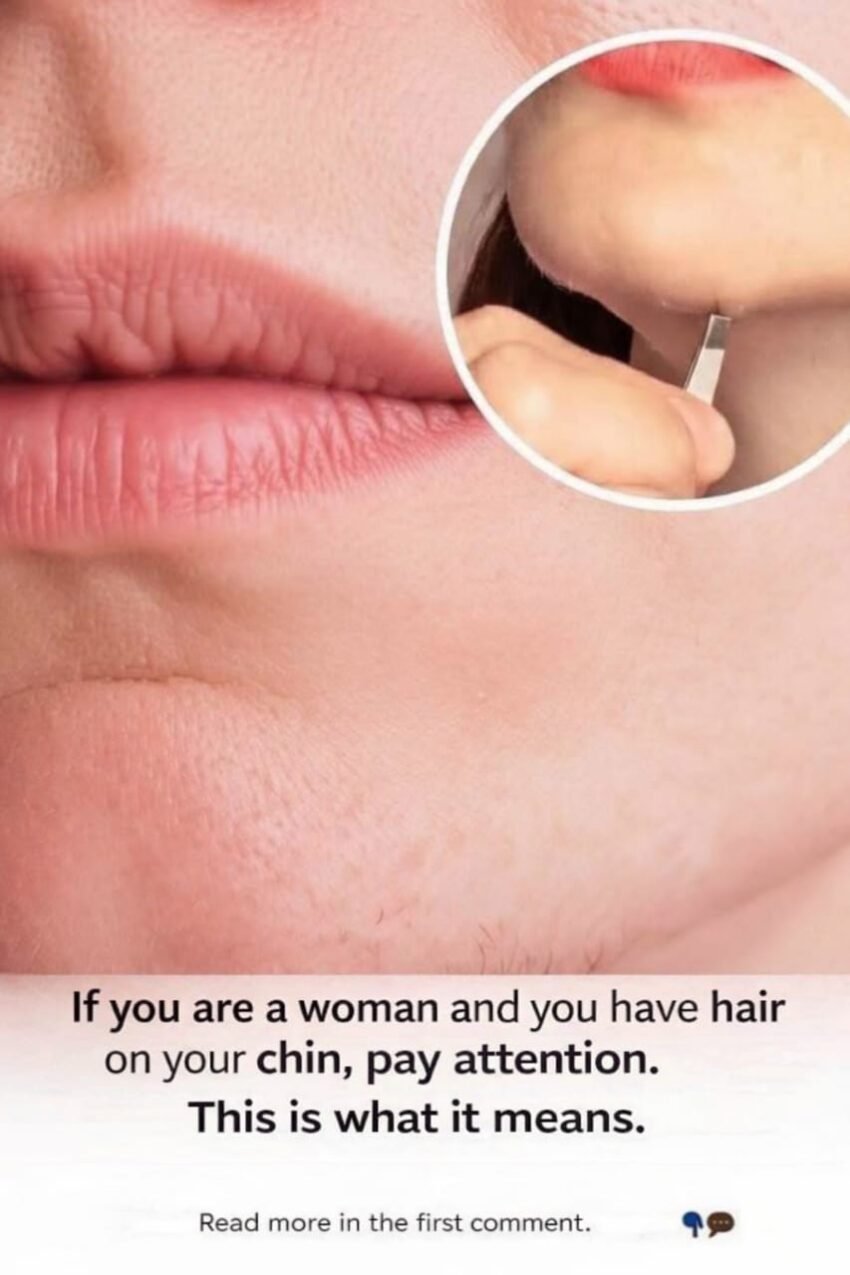
Do Women Have Mustaches on Their Chins? The Truth Most People Don’t Talk About
Do women have facial hair on their chin or upper lip? Learn why it happens, what’s normal, and the safest ways to manage it confidently.
The Question Many Women Quietly Ask
You notice a few darker hairs on your chin in the mirror. Maybe it’s under bright bathroom lighting, or maybe it shows up in photos you didn’t expect.
The thought hits instantly: “Is this normal? Do women actually grow mustaches or chin hair?”
Here’s the honest answer—yes, many women do. And not just a few.
But the real story goes much deeper than a simple yes or no. It touches biology, hormones, aging, cultural expectations, and even confidence.
This guide breaks it all down—clearly, honestly, and without embarrassment—so you understand what’s happening and what (if anything) you should do about it.
What Does “Mustache on the Chin” Even Mean?
Let’s clarify something first.
A “mustache” technically refers to hair growing on the upper lip, not the chin. But people often use the phrase loosely to describe visible facial hair anywhere on a woman’s face, including:
- Chin hair (coarse or fine)
- Upper lip hair
- Sideburn-like hair
- Jawline or neck hair
So when someone asks, “Do women have mustaches on their chins?” they’re usually talking about unwanted or noticeable facial hair in general.
The Short Answer: Yes, Women Naturally Grow Facial Hair
Every woman has facial hair.
The difference is in type, thickness, and visibility:
| Type of Hair | Description | Common in Women? |
|---|---|---|
| Vellus Hair | Fine, light, peach fuzz | Very common |
| Terminal Hair | Thick, dark, coarse | Less common but normal |
Most women have vellus hair, which is barely visible. But under certain conditions, this can turn into terminal hair, which is more noticeable.
And that’s when concerns start.
Why Do Women Grow Chin or Upper Lip Hair?
This isn’t random—it’s driven by biology.
1. Hormones (The Biggest Factor)
Women produce small amounts of androgens (often called “male hormones”), including testosterone.
When levels increase—or when your body becomes more sensitive to them—you may notice:
- Thicker chin hair
- Darker upper lip hair
- Faster regrowth after removal
This can happen even if your hormone levels are technically “normal.”
2. Genetics: Your Family Tells the Story
Take a look at older women in your family.
If your mother, grandmother, or aunts had noticeable facial hair, there’s a higher chance you will too.
This is especially common among women with:
- Mediterranean
- Middle Eastern
- South Asian
- Hispanic backgrounds
Genetics influence both hair density and hormone sensitivity.
3. Aging and Hormonal Shifts
As women approach their 30s, 40s, and beyond, estrogen levels decline.
That shift can make androgen effects more noticeable, leading to:
- Chin hair becoming thicker
- More frequent plucking or shaving
- Hair appearing in new areas
This is particularly common during perimenopause and menopause.
4. Medical Conditions (Sometimes)
In some cases, noticeable facial hair may be linked to conditions like:
- Polycystic Ovary Syndrome (PCOS)
- Hormonal imbalances
- Thyroid disorders
Important: If hair growth is sudden, excessive, or paired with symptoms like irregular periods or acne, it’s worth speaking with a healthcare provider.
Why This Topic Matters in the United States
In the U.S., beauty standards often emphasize smooth, hair-free skin, especially for women.
That creates a gap between what’s normal biologically and what’s expected socially.
This leads to:
- Quiet embarrassment
- Constant grooming habits
- Spending on hair removal treatments
- Avoidance of close-up photos or bright lighting
According to dermatology trends reported in major U.S. clinics, facial hair removal is one of the most requested cosmetic concerns among women—right up there with acne and aging skin.
But here’s the key truth:
Facial hair on women is normal. The pressure to remove it is cultural—not medical.
Real-Life Scenario: What It Actually Looks Like
Let’s make this real.
Case Example:
Jessica, 34, from Texas, started noticing two dark hairs on her chin in her early 30s.
At first:
- She plucked them occasionally
Then:
- They grew back thicker
- More appeared over time
Eventually:
- She kept tweezers in her purse
- Checked her chin daily in sunlight
Sound familiar?
This isn’t unusual—it’s incredibly common.
Should You Be Concerned?
In most cases, no.
Facial hair becomes a concern only if:
- It appears suddenly and rapidly
- It’s accompanied by other symptoms (deep voice, hair loss, irregular cycles)
- It significantly affects your confidence or mental well-being
Otherwise, it’s simply a natural variation of the human body.
Ways Women Manage Chin and Facial Hair
There’s no one “right” solution—just options.
1. Tweezing (Most Common)
Best for:
- A few stray hairs
Pros:
- Precise
- Cheap
- Easy at home
Cons:
- Time-consuming
- Can cause ingrown hairs
2. Shaving (Yes, Women Do This)
Despite myths, shaving does not make hair grow back thicker.
Best for:
- Fine to moderate facial hair
Pros:
- Quick
- Painless
- No downtime
Cons:
- Needs regular upkeep
3. Waxing or Threading
Best for:
- Upper lip or larger areas
Pros:
- Longer-lasting results
- Smooth finish
Cons:
- Can irritate sensitive skin
4. Laser Hair Removal
Best for:
- Long-term reduction
Pros:
- Reduces regrowth significantly
- Targets dark, coarse hair
Cons:
- Expensive
- Requires multiple sessions
- Less effective on light hair
5. Prescription Treatments
Doctors may recommend topical creams or medications for hormonal causes.
Always consult a professional before starting these.
Step-by-Step: How to Choose the Right Method
- Assess your hair type
- Few hairs → tweezing
- Wider area → shaving or waxing
- Consider your skin sensitivity
- Sensitive skin → avoid harsh waxing
- Think long-term
- Want a permanent solution? Consider laser
- Monitor changes
- Sudden growth? Talk to a doctor
Common Mistakes Women Make
Avoid these—you’ll save time, money, and frustration.
- Over-plucking daily → Can irritate skin
- Believing shaving worsens hair → It doesn’t
- Ignoring sudden changes → Could signal a health issue
- Using harsh products on the face → Leads to breakouts
- Comparing yourself to unrealistic beauty standards
Pros and Cons of Removing Facial Hair
Pros
- Boosts confidence
- Smoother makeup application
- Feels cleaner for some women
Cons
- Ongoing maintenance
- Cost (especially laser treatments)
- Potential skin irritation
- Reinforces unrealistic beauty expectations
Expert-Level Insights Most People Don’t Know
- Hair growth cycles matter — that’s why plucked hair grows back at different times
- Lighting changes perception — bright LED lights exaggerate visibility
- Hormone sensitivity matters more than levels
- Stress can influence hormonal balance, indirectly affecting hair growth
- Diet and insulin levels (especially with PCOS) can play a role
2026 Trends: How Women Are Thinking About Facial Hair Now
There’s a noticeable shift happening.
More women in the U.S. are:
- Talking openly about chin hair
- Sharing experiences on social media
- Choosing acceptance over constant removal
- Normalizing occasional facial hair
At the same time:
- Demand for laser treatments is still rising
- At-home dermaplaning tools are booming
So the trend isn’t one-directional—it’s about choice and control.
Future Outlook: Will This Stigma Fade?
Slowly, yes.
As conversations around body positivity expand, the stigma around female facial hair is decreasing.
But cultural expectations don’t disappear overnight.
For now, most women will continue balancing:
- Personal comfort
- Social expectations
- Practical grooming habits
Frequently Asked Questions
1. Is it normal for women to have chin hair?
Yes. Many women develop chin hair due to hormones, genetics, or aging.
2. Does shaving make facial hair worse?
No. Shaving does not change hair thickness or growth rate.
3. Why do I suddenly have chin hair in my 30s?
Hormonal shifts and aging are common causes.
4. Should I worry about a few dark hairs?
No—this is very common and usually harmless.
5. When should I see a doctor?
If hair growth is sudden, excessive, or paired with other symptoms.
6. What’s the best removal method?
It depends on your hair type, skin sensitivity, and personal preference.
7. Can facial hair go away on its own?
Not usually, but it may change with hormonal shifts.
8. Is laser hair removal permanent?
It significantly reduces hair, but maintenance sessions may be needed.
9. Why is my upper lip hair getting darker?
Hormones, genetics, or aging can cause this change.
10. Do all women deal with this?
Yes—just at different levels of visibility.
Action Checklist: What You Should Do Next
- ✔ Check your facial hair type (fine vs coarse)
- ✔ Choose a removal method that fits your lifestyle
- ✔ Avoid myths (like shaving causing thicker hair)
- ✔ Monitor for sudden changes
- ✔ Talk to a doctor if something feels off
- ✔ Decide based on your comfort—not pressure
Conclusion: The Truth, Without the Shame
Women having facial hair—including chin and upper lip hair—is completely normal.
It’s not unusual. It’s not rare. And it’s not something that automatically needs fixing.
What matters most is how you feel about it.
Some women remove it. Others don’t. Many fall somewhere in between.
And all of those choices are valid.
- Yes, women can and do grow chin and upper lip hair
- It’s usually caused by hormones, genetics, and aging
- It’s normal—and extremely common
- You have multiple safe ways to manage it
- The “problem” is often social, not medical
If this helped you feel more informed—or even a little less alone—share it with someone who might need it too. And if you’ve dealt with this yourself, your experience could help others—drop a comment and join the conversation.