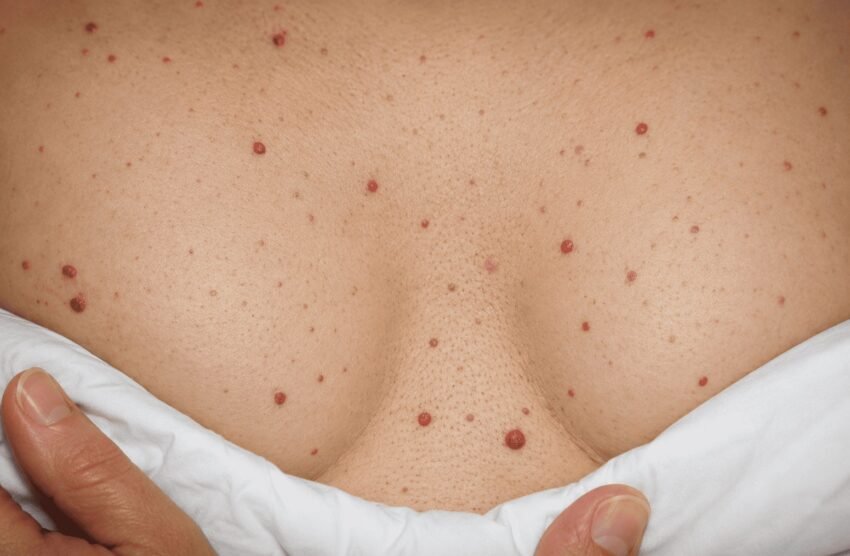
You Notice One Tiny Red Spot… Then Suddenly You See Them Everywhere
It usually starts casually.
Maybe you’re getting dressed, looking in the mirror, or stepping out of the shower when you notice a tiny red dot on your arm, chest, legs, or stomach.
At first, you ignore it.
Then a few days later, you spot another one.
Now your brain starts spiraling:
- Is this normal?
- Is it aging?
- An allergy?
- Stress?
- Something serious?
- Why are there suddenly so many?
And if you’ve ever searched “red spots on skin” online, you already know how quickly the internet can become terrifying.
One article says harmless.
Another mentions blood disorders.
Then suddenly every tiny mark feels suspicious.
Here’s the good news:
Most red spots on the skin are completely harmless.
But some can signal underlying health issues that shouldn’t be ignored.
The challenge is understanding the difference.
This guide breaks down what those mysterious red spots actually are, the most common causes, when you should pay attention, and the signs that genuinely deserve medical evaluation — without the panic-driven misinformation that floods social media.
First: Not All Red Spots Are the Same Thing
This is where confusion begins.
People use “red spots” to describe dozens of completely different skin conditions.
Some are:
- vascular
- inflammatory
- allergic
- hormonal
- immune-related
- infection-related
- harmless aging changes
That’s why identifying:
- size
- texture
- location
- color
- symptoms
- timing
matters so much.
A flat red rash behaves differently than raised red bumps.
Tiny pinpoint dots mean something different than bright red domes.
And itchy spots tell a different story than painless ones.
Understanding these distinctions changes everything.
The Most Common Cause: Cherry Angiomas
Let’s start with the one that scares people unnecessarily most often.
What Are Cherry Angiomas?
Cherry angiomas are tiny bright-red or purple-red spots caused by small clusters of blood vessels near the skin’s surface.
They’re incredibly common.
Especially after age 30.
Dermatologists frequently describe them as one of the most harmless skin growths adults develop over time.
According to American Academy of Dermatology, cherry angiomas are benign vascular skin lesions and usually require no treatment unless they bleed, change rapidly, or become bothersome.
What They Usually Look Like
Cherry angiomas are often:
- bright red
- smooth
- small and round
- slightly raised
- painless
Common locations include:
- chest
- stomach
- back
- arms
- shoulders
Some remain tiny forever.
Others slowly enlarge over years.
And yes — many people suddenly notice several appearing seemingly overnight.
That part is surprisingly normal.
Why Do Cherry Angiomas Happen?
Doctors still don’t know the exact cause completely.
But they’re strongly linked to:
- aging
- genetics
- skin changes over time
- blood vessel growth
Some research also explores possible links with:
- hormonal shifts
- environmental exposure
- pregnancy
- liver changes
But for most people, they’re simply a common part of aging skin.
Not a health emergency.
Another Common Cause: Petechiae
This is where things become more important medically.
What Are Petechiae?
Petechiae are tiny pinpoint red, purple, or brown dots caused by small blood vessels bleeding under the skin.
Unlike cherry angiomas, they’re usually:
- flat
- very tiny
- clustered
- non-raised
A key difference:
Petechiae typically do not blanch (turn white) when pressed.
Common Causes of Petechiae
Sometimes harmless:
- intense coughing
- vomiting
- heavy exercise
- pressure from tight clothing
But in some cases, petechiae can signal:
- infections
- platelet disorders
- medication reactions
- immune conditions
According to Mayo Clinic, widespread petechiae combined with fever or illness symptoms should be medically evaluated promptly.
This is why context matters so much.
Heat Rash: One of the Most Misidentified Skin Issues
Especially during warmer months, people often mistake heat rash for something more serious.
What Heat Rash Looks Like
Usually:
- tiny red bumps
- itchy or prickly sensation
- clusters in sweaty areas
Common locations:
- neck
- chest
- under breasts
- thighs
- back
Heat rash develops when sweat ducts become blocked.
It’s especially common in:
- humid weather
- workouts
- tight clothing
- hot sleeping conditions
The good news:
It usually improves quickly with cooling and breathable clothing.
Allergic Reactions and Skin Sensitivity
Sometimes red spots appear because your skin is reacting to something external.
Potential triggers include:
- detergents
- skincare products
- fragrances
- medications
- foods
- fabrics
- plants
These reactions often come with:
- itching
- irritation
- swelling
- dryness
One clue:
Allergic rashes are often symmetrical or appear shortly after exposure.
Keratosis Pilaris: The “Chicken Skin” Condition
Many people mistake keratosis pilaris for acne or unexplained red bumps.
It’s extremely common.
Signs of Keratosis Pilaris
- rough texture
- tiny red or skin-colored bumps
- dry skin
- upper arms and thighs most commonly affected
This happens when keratin builds up around hair follicles.
It’s harmless but persistent.
According to Cleveland Clinic, keratosis pilaris often improves with moisturizing and gentle exfoliation.
When Red Spots Could Signal Something More Serious
Most red spots are harmless.
But certain warning signs should never be ignored.
Seek Medical Attention If Red Spots Are Accompanied By:
- fever
- fatigue
- unexplained bruising
- rapid spreading
- pain
- bleeding
- dizziness
- swelling
- shortness of breath
Especially if spots:
- appear suddenly
- spread aggressively
- don’t fade
- accompany illness symptoms
This is particularly important for petechiae-like spots.
Why Social Media Creates So Much Fear Around Skin Changes
Skin-related content performs extremely well online because it triggers anxiety and curiosity simultaneously.
Unfortunately, algorithms often amplify:
- worst-case scenarios
- dramatic diagnoses
- shocking transformations
This creates unnecessary panic.
A harmless cherry angioma suddenly becomes:
“Signs your body is toxic!”
A mild rash becomes:
“Secret symptom doctors ignore!”
In reality, dermatology is nuanced.
Diagnosis depends on:
- medical history
- symptom patterns
- examination
- progression over time
Not viral TikTok videos.
The Emotional Side Nobody Talks About
Skin changes affect people psychologically more than they expect.
Even harmless red spots can trigger:
- health anxiety
- self-consciousness
- obsessive checking
- fear of aging
- embarrassment
Especially when spots appear in visible areas.
This emotional reaction is completely understandable.
Humans naturally associate sudden body changes with danger.
But constant self-diagnosing online often increases stress unnecessarily.
The Difference Between Harmless and Concerning Spots
Here’s a practical way to think about it.
Usually Less Concerning
- stable appearance
- tiny cherry-red dots
- painless
- unchanged over time
- no illness symptoms
More Concerning
- rapid spreading
- bruising appearance
- fever alongside spots
- bleeding
- pain
- severe itching
- dark purple discoloration
- unexplained sudden onset
The pattern matters more than the existence of a red spot itself.
Real-World Example: Why Context Changes Everything
Two people may both develop red dots.
Person A:
- small stable cherry angiomas
- no symptoms
- gradual appearance over years
Person B:
- sudden widespread petechiae
- fever
- fatigue
- bruising
Completely different situations.
That’s why online image comparisons alone are unreliable.
Skin conditions often look similar while having entirely different causes.
How Dermatologists Usually Evaluate Red Spots
Doctors often ask:
- How long have they been there?
- Are they itchy?
- Do they blanch when pressed?
- Any new medications?
- Any fever or illness?
- Any recent infections?
- Family history?
- Any bleeding or bruising?
These details help narrow possibilities quickly.
Common Treatments Depending on the Cause
Cherry Angiomas
Usually no treatment needed.
Optional cosmetic removal methods include:
- laser treatment
- electrocautery
- cryotherapy
Heat Rash
Helpful strategies:
- cool showers
- loose clothing
- breathable fabrics
- reducing sweating
Allergic Reactions
Treatment may involve:
- antihistamines
- avoiding triggers
- soothing creams
Keratosis Pilaris
Improvement strategies:
- moisturizing
- lactic acid creams
- gentle exfoliation
- avoiding harsh scrubbing
What NOT to Do
This matters.
Avoid:
- aggressively scratching
- picking spots
- overusing harsh skincare
- panic-Googling every symptom
- self-diagnosing serious illnesses immediately
And definitely avoid random internet “detox” cures promising miraculous skin healing.
Most are unsupported nonsense.
The 2026 Shift Toward Smarter Skin Awareness
One positive trend emerging recently is better public understanding of skin health.
People are becoming more aware of:
- regular skin checks
- sun protection
- early detection
- evidence-based dermatology
That’s a good thing.
The goal isn’t panic.
It’s informed awareness.
Frequently Asked Questions
Are tiny red spots on the skin dangerous?
Most are harmless, especially cherry angiomas or mild irritation. However, rapidly spreading spots or spots with illness symptoms should be evaluated.
What are cherry angiomas?
Cherry angiomas are benign clusters of blood vessels that appear as small bright-red skin spots.
What’s the difference between petechiae and cherry angiomas?
Petechiae are flat pinpoint spots caused by bleeding under the skin, while cherry angiomas are raised blood vessel growths.
Should I worry if I suddenly develop red dots?
Sudden widespread red spots, especially with fever or bruising, should be medically assessed.
Why do red spots appear with age?
Skin and blood vessels naturally change over time, making conditions like cherry angiomas more common.
Can stress cause red spots?
Stress may worsen certain skin conditions indirectly, especially inflammatory or allergic reactions.
Do cherry angiomas go away naturally?
Usually no, but they are harmless and often remain stable for years.
Can allergies cause tiny red spots?
Yes. Allergic reactions can trigger rashes, irritation, and red bumps.
When should I see a dermatologist?
If spots change rapidly, bleed, hurt, spread, or create uncertainty, professional evaluation is smart.
Is it safe to remove cherry angiomas?
Yes, removal is generally safe when performed professionally for cosmetic reasons.
Quick Skin Spot Checklist
What To Do
✔ Monitor changes over time
✔ Pay attention to symptoms
✔ Use gentle skincare
✔ Wear sunscreen regularly
✔ See a doctor for concerning changes
✔ Stay calm before assuming worst-case scenarios
What To Avoid
✘ Panic-Googling symptoms
✘ Picking or scratching spots
✘ Using harsh “miracle” treatments
✘ Ignoring rapid spreading or illness symptoms
✘ Assuming every red spot is dangerous
Most mysterious red spots on the skin turn out to be far less dramatic than people fear.
But the uncertainty can feel emotionally exhausting.
That’s understandable.
Your skin is visible.
Personal.
Constantly changing.
And when something suddenly appears that wasn’t there before, the brain naturally wants answers immediately.
The important thing is learning the difference between:
- harmless changes worth monitoring
and - warning signs worth evaluating.
Because informed awareness is powerful.
Panic is not.
And honestly?
The internet tends to confuse those two things constantly.
If you’ve recently noticed red spots, remember this:
your body changes throughout life more than most people expect.
Not every mark signals danger.
But paying thoughtful attention to your health without spiraling into fear is one of the healthiest habits you can develop.
Most mysterious red spots are harmless skin changes like cherry angiomas or irritation — but sudden spreading, bruising, pain, or illness symptoms deserve medical attention.