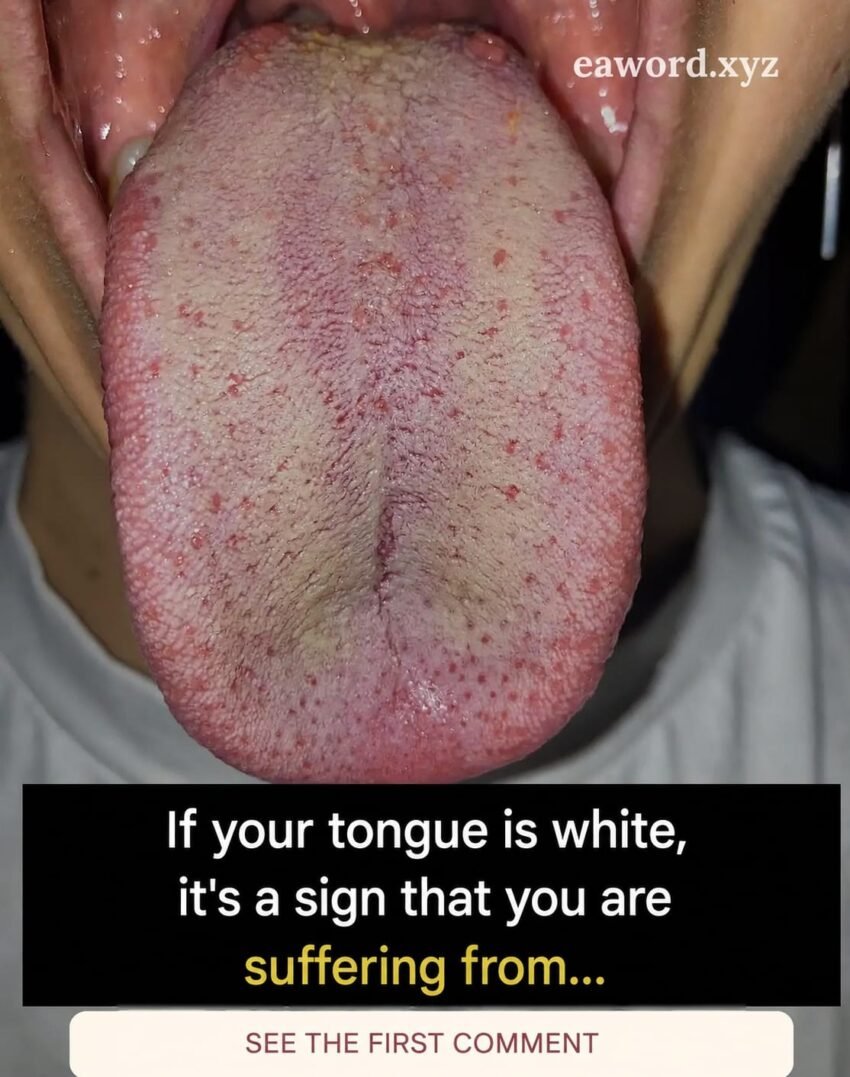
A Person With a White Tongue: What It Really Means, Common Causes, and When You Should Pay Attention
A white tongue can look alarming, but it has many possible causes. Learn what it means, common reasons, and when it may signal an underlying issue.
You Look in the Mirror… and Something Feels Off
It usually happens by accident.
You’re brushing your teeth or sticking out your tongue, and suddenly you notice it:
A white coating.
Sometimes thin.
Sometimes thick.
Sometimes patchy.
And instantly, your mind jumps to conclusions:
“Is something wrong with me?”
The internet doesn’t help either.
Search results quickly spiral into scary possibilities:
- infection
- poor hygiene
- digestive issues
- serious illness
But here’s the truth most people miss:
A white tongue is extremely common — and in many cases, harmless.
Still, it shouldn’t be ignored completely either.
Understanding what it actually means helps you avoid unnecessary panic and also recognize when it might need attention.
Let’s break it down clearly.
What a White Tongue Actually Is
A white tongue refers to a coating or discoloration on the surface of the tongue, usually caused by:
- bacteria
- debris
- dead cells
- or changes in the tiny bumps on your tongue (papillae)
These substances can get trapped and create a white appearance.
It’s not a disease itself — it’s a symptom or a condition of the tongue’s surface.
The Most Common Causes of a White Tongue
Most cases are linked to everyday habits or temporary changes in the mouth.
1. Poor Oral Hygiene
This is the most common cause.
When brushing and tongue cleaning are inconsistent, bacteria and debris build up on the tongue’s surface.
This can lead to:
- white coating
- bad breath
- unpleasant taste
The tongue is actually a major surface for bacteria in the mouth.
2. Dry Mouth (Dehydration)
A dry mouth allows bacteria and dead cells to accumulate more easily.
Common reasons include:
- not drinking enough water
- sleeping with mouth open
- certain medications
Morning white tongue is often just mild dryness overnight.
3. Smoking or Tobacco Use
Smoking can:
- irritate the tongue
- increase bacterial buildup
- reduce saliva production
This leads to persistent coating and discoloration.
4. Oral Thrush (Yeast Infection)
Sometimes, a white tongue is caused by a fungal overgrowth known as oral thrush.
According to Oral Candidiasis, this condition can cause:
- thick white patches
- soreness
- difficulty swallowing in some cases
It is more common in:
- people with weakened immunity
- diabetes patients
- individuals using antibiotics or inhalers
Unlike simple coating, thrush may look patchy and can sometimes be wiped off, revealing redness underneath.
5. Illness or Fever
During illness, the body may produce:
- less saliva
- more mucus
- changes in oral bacteria
This can temporarily cause a coated tongue.
6. Dietary Factors
Certain diets can contribute to white coating:
- low fiber intake
- high sugar consumption
- soft foods that don’t clean the tongue naturally
Chewing fibrous foods helps naturally clean the mouth.
When a White Tongue Is Usually Harmless
In most cases, it is not dangerous if:
- it appears in the morning only
- it improves after brushing
- there is no pain or discomfort
- it comes and goes
Many people experience this regularly without any health issue.
When You Should Pay Attention
A white tongue may need medical evaluation if:
- it persists for more than 2 weeks
- it is thick and painful
- there are cracks or bleeding
- swallowing becomes uncomfortable
- it does not improve with oral hygiene
Persistent cases may require professional dental or medical assessment.
Simple Ways to Improve a White Tongue
Most mild cases improve with basic care.
1. Brush Your Tongue Daily
Use:
- toothbrush
- or tongue scraper
This removes surface buildup effectively.
2. Stay Hydrated
Water helps:
- wash away bacteria
- maintain saliva flow
- reduce dryness
3. Improve Oral Hygiene Routine
Include:
- brushing twice daily
- flossing
- mouthwash if needed
4. Reduce Smoking and Alcohol
These significantly affect oral bacteria balance.
5. Eat Fresh, Fibrous Foods
Apples, carrots, and other crunchy foods help naturally clean the mouth.
What a White Tongue Does NOT Automatically Mean
A white tongue does NOT automatically mean:
- serious disease
- liver failure
- digestive disorder
- dangerous infection
Most online claims exaggerate the condition.
Context matters more than appearance alone.
Real-Life Example
Two people notice a white tongue.
Person A:
- wakes up with it
- brushes teeth
- it disappears
→ Normal overnight buildup
Person B:
- persistent thick coating
- soreness present
- no improvement with hygiene
→ May need medical evaluation
Same symptom.
Different meaning.
Common Mistakes People Make
Overreacting to morning coating
This is often normal.
Ignoring persistent symptoms
Long-lasting changes should be checked.
Using harsh scrubbing methods
This can irritate the tongue further.
Self-diagnosing serious diseases
Online searches often exaggerate conditions.
Frequently Asked Questions
What causes a white tongue?
Most commonly poor oral hygiene, dry mouth, smoking, or bacterial buildup.
Is a white tongue dangerous?
Usually no, but persistent or painful cases should be checked.
Can dehydration cause white tongue?
Yes, dry mouth is a common cause.
What is oral thrush?
Oral Candidiasis is a fungal infection that can cause thick white patches in the mouth.
How do I clean a white tongue?
Brushing the tongue or using a tongue scraper helps remove buildup.
Does white tongue mean infection?
Not always. Many cases are harmless.
Can diet affect tongue color?
Yes, poor diet and dehydration can contribute.
How long does white tongue last?
Often temporary and improves within days with proper hygiene.
Should I see a doctor for white tongue?
If it persists, worsens, or causes discomfort, yes.
Can stress cause white tongue?
Indirectly, yes — stress can affect oral hygiene and dryness.
A white tongue often looks more alarming than it actually is.
In most cases, it’s simply your body signaling:
- dehydration
- mild bacterial buildup
- or temporary changes in oral balance
With proper hygiene and awareness, it usually resolves quickly.
But like any symptom, persistence matters more than appearance.
Understanding the difference between normal variation and something that needs attention is what prevents unnecessary worry.
A white tongue is usually harmless and linked to oral hygiene or dryness, but persistent or painful cases may indicate conditions like oral candidiasis and should be evaluated.