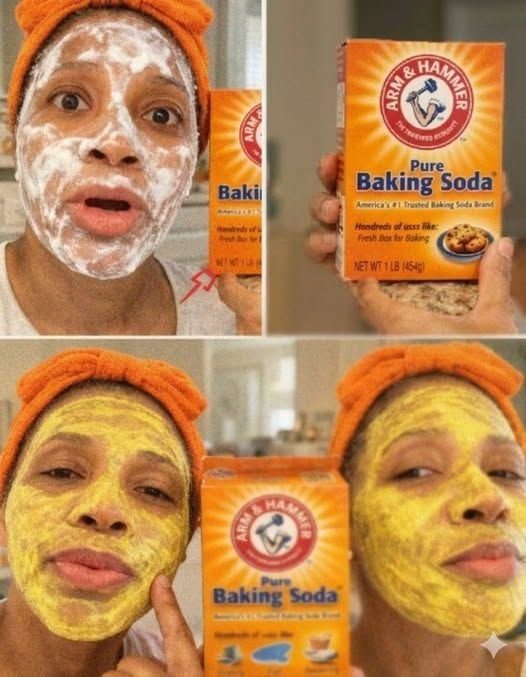
How to Apply Baking Soda on Your Face: 3 Effective Methods, Benefits, Risks, and Safe Skincare Tips
Learn 3 safe ways to use baking soda on your face, its benefits, risks, and dermatologist-approved tips to avoid skin damage while exfoliating naturally.
Why Baking Soda Became a Viral Skincare Trend
At some point, baking soda stopped being just a kitchen ingredient.
It became:
- a “natural exfoliator”
- a “pore cleanser”
- a “blackhead remover”
- a DIY glow solution
Scroll through social media and you’ll see claims like:
“Use baking soda and your skin will feel brand new!”
But here’s the truth most people discover too late:
Baking soda can help the skin in very limited ways — but it can also damage it if used incorrectly.
So the real question isn’t just how to use it…
It’s how to use it safely.
Let’s break it down properly.
First: What Baking Soda Actually Does to Your Skin
Baking soda, or sodium bicarbonate, is:
- alkaline (high pH)
- mildly abrasive
- cleansing in nature
It can:
- remove surface dirt
- temporarily reduce oiliness
- create a smooth feeling after use
But your skin is naturally:
- slightly acidic (pH ~5.5)
That matters a lot.
When you apply baking soda, you temporarily disrupt the skin barrier, which is why improper use can lead to:
- dryness
- irritation
- redness
- sensitivity
According to dermatology guidance summarized by organizations like American Academy of Dermatology, harsh home remedies can disrupt the skin barrier and should be used cautiously or avoided for sensitive skin types.
So moderation is everything.
Method 1: Baking Soda Gentle Exfoliating Paste
This is the most common method — and also the riskiest if overused.
How to Apply
You will need:
- 1 teaspoon baking soda
- 1–2 teaspoons water
Steps:
- Mix into a smooth paste
- Apply gently to damp skin
- Massage lightly in circular motions (10–15 seconds only)
- Rinse with lukewarm water
- Apply moisturizer immediately
What it does
- Removes dead skin cells
- Gives temporary smoothness
- Helps unclog surface debris
Important warning
Do NOT scrub aggressively. Over-scrubbing can cause micro-irritation and damage the skin barrier.
Use only:
- once a week (maximum)
Method 2: Baking Soda Spot Treatment (For Occasional Use)
This method is more targeted and less abrasive than full-face use.
How to Apply
You will need:
- pinch of baking soda
- a few drops of water
Steps:
- Mix into a thick paste
- Apply only on small problem areas
- Leave for 1–2 minutes maximum
- Rinse thoroughly
- Follow with soothing moisturizer
What it may help with
- temporary oil reduction
- mild surface impurities
- short-term drying of small pimples
Important warning
Do not use on:
- broken skin
- sensitive areas
- large acne patches
Overuse can worsen irritation instead of improving it.
Method 3: Baking Soda + Honey Soothing Mask
This is the mildest and most skin-friendly method of the three.
Honey helps balance baking soda’s harshness.
How to Apply
You will need:
- 1 teaspoon baking soda
- 1 tablespoon raw honey
Steps:
- Mix into a smooth paste
- Apply evenly on clean face
- Leave for 5–8 minutes
- Massage gently before rinsing
- Wash off with lukewarm water
Why it works better
Honey helps:
- soothe irritation
- hydrate skin
- reduce dryness
- support skin healing
This combination is less aggressive than baking soda alone.
Benefits People Notice (Short-Term)
When used correctly and sparingly, baking soda may:
- make skin feel smoother
- temporarily reduce oiliness
- clean surface buildup
- improve texture appearance
But these effects are usually temporary.
The Hidden Risks Nobody Talks About
This is where most DIY skincare routines go wrong.
1. Skin Barrier Damage
Frequent use can weaken the skin’s natural protection layer.
Result:
- dryness
- flakiness
- sensitivity
2. pH Imbalance
Healthy skin depends on a balanced acid layer.
Baking soda disrupts it.
3. Increased Breakouts
Ironically, overuse can:
- irritate skin
- trigger more oil production
- worsen acne over time
4. Burning or Redness
Especially in sensitive skin types.
Who Should Avoid Baking Soda on the Face
Avoid if you have:
- sensitive skin
- eczema
- rosacea
- active acne inflammation
- broken skin
Dermatologists generally recommend gentler alternatives for these conditions.
Safer Alternatives You Should Consider
Instead of baking soda, dermatology-approved options include:
- gentle exfoliating cleansers
- salicylic acid (BHA)
- lactic acid (AHA)
- enzyme-based exfoliants
These are designed to work with your skin’s natural pH instead of against it.
Why Baking Soda Became Popular Anyway
It comes down to psychology:
People love:
- cheap solutions
- quick results
- kitchen-based remedies
- “natural” skincare hacks
And baking soda feels effective because it gives immediate smoothness.
But immediate results don’t always mean long-term benefits.
Real-Life Example
Two people try baking soda:
Person A:
- uses it once a week
- follows with moisturizer
- has resilient skin
→ experiences mild smoothness
Person B:
- uses it daily
- scrubs aggressively
- ignores irritation
→ develops dryness and sensitivity
Same product.
Completely different outcomes.
Common Mistakes People Make
Using it too often
More is not better in skincare.
Scrubbing aggressively
This damages skin instead of cleaning it.
Skipping moisturizer
Baking soda strips natural oils.
Using it on active acne
This can worsen inflammation.
Frequently Asked Questions
Is baking soda good for the face?
It can temporarily exfoliate but may irritate skin if overused.
Can baking soda remove acne?
It may dry surface oil but is not a long-term acne treatment.
How often can I use baking soda on my face?
No more than once a week, and only if your skin tolerates it.
Can baking soda whiten skin?
It may brighten appearance temporarily by removing dead skin cells, but it does not change skin tone.
Is baking soda safe for sensitive skin?
Generally no — it can cause irritation and dryness.
What is the best alternative to baking soda?
Gentle chemical exfoliants like AHAs or BHAs are safer and more effective.
Can baking soda damage skin?
Yes, frequent use can disrupt the skin barrier.
Should I apply moisturizer after baking soda?
Yes, always to restore hydration.
Can I mix baking soda with other ingredients?
Only mild ingredients like honey — avoid acids or harsh combinations.
Is baking soda recommended by dermatologists?
Most dermatologists recommend caution due to its high pH and abrasiveness.
Baking soda is one of those ingredients that sits in a strange place between:
- helpful household tool
and - risky skincare hack
Used occasionally and carefully, it can give temporary smoothness.
But used incorrectly, it can disrupt your skin’s natural balance and cause more harm than benefit.
The key is not intensity — it’s balance.
Healthy skin is not about harsh scrubbing or extreme DIY remedies.
It’s about consistency, gentleness, and protecting the skin barrier over time.
Baking soda can exfoliate the skin in limited, careful use, but safer dermatology-approved alternatives are more effective for long-term skin health.