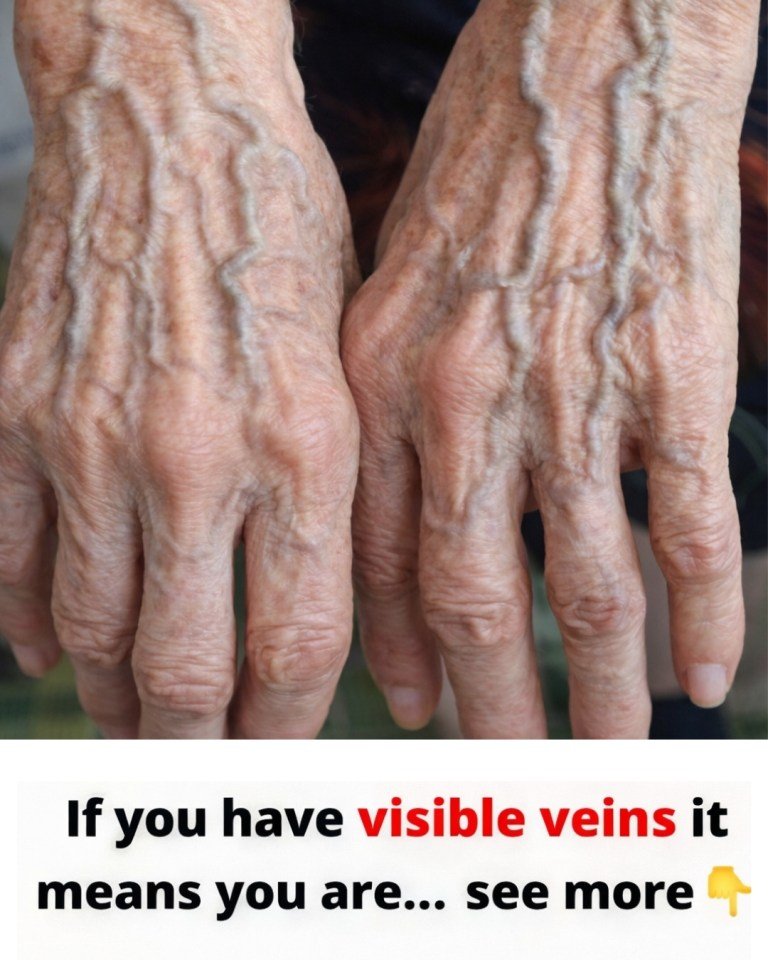
Learn when bulging veins are normal and when they may indicate a health issue. Understand causes, warning signs, and when to see a doctor.
You notice them… and immediately start wondering
It might happen in the mirror, during exercise, or even while relaxing:
A vein suddenly looks more visible than usual.
On your hands. Arms. Legs. Sometimes even your chest.
And the question hits fast:
“Is this normal… or something I should worry about?”
The truth is, bulging veins can be completely harmless—or a signal worth paying attention to. The difference is all about context.
Let’s break it down clearly, without unnecessary fear.
First things first: veins are supposed to be visible sometimes
Veins sit close to the surface of your skin. Their visibility can change throughout the day depending on:
- Blood flow
- Body temperature
- Hydration level
- Physical activity
- Body fat percentage
So before assuming something is wrong, it helps to understand that visible veins are often just a normal physiological response.
Common harmless reasons for bulging veins
In many cases, there’s nothing dangerous happening at all.
1. Exercise and physical activity
When you work out, your muscles demand more oxygen.
This causes:
- Increased blood flow
- Temporary vein expansion
- More visible “pumped” veins
This is especially common in arms and legs after lifting weights.
2. Heat exposure
Hot weather or warm environments cause veins to expand to help regulate body temperature.
You might notice:
- More visible hand veins
- Prominent leg veins
- Overall “softer” appearance of veins
3. Low body fat
Less fat under the skin means veins are closer to the surface.
This is often seen in:
- Athletes
- Naturally lean individuals
- Older adults with reduced fat distribution
4. Aging
As skin becomes thinner with age, veins naturally become more visible.
This is a normal part of the aging process and not necessarily a health concern.
5. Temporary dehydration
When you’re dehydrated, blood volume decreases slightly, making veins appear more pronounced.
Drinking water often reduces this effect.
When bulging veins might signal a problem
Now here’s where awareness matters.
Not all visible veins are harmless.
Sometimes they point to underlying issues that need attention.
1. Varicose veins
One of the most common concerns is Varicose Veins.
What they look like:
- Bulging, twisted veins (often in legs)
- Blue or dark purple appearance
- Raised above skin surface
Possible symptoms:
- Aching or heaviness in legs
- Swelling
- Burning or throbbing sensation
They occur when vein valves weaken, causing blood to pool.
2. Deep vein thrombosis (DVT)
This is more serious and requires immediate attention.
It involves a blood clot in a deep vein, often in the leg.
Warning signs:
- Sudden swelling in one leg
- Pain or tenderness
- Warmth in the affected area
- Skin discoloration
If suspected, seek urgent medical care.
3. Chronic venous insufficiency
This condition happens when veins struggle to return blood to the heart efficiently.
Symptoms may include:
- Persistent swelling
- Skin changes (darkening or thickening)
- Visible vein enlargement
- Leg discomfort
4. Hormonal changes
Hormones can also affect vein visibility, especially in:
- Pregnancy
- Menopause
- Hormonal therapy
This is usually temporary but should be monitored.
5. High blood pressure or circulation changes
In some cases, increased pressure in the vascular system can make veins more noticeable.
This doesn’t always mean disease—but it may require evaluation if persistent.
Comparison: normal vs concerning bulging veins
| Feature | Likely Harmless | Possibly Concerning |
|---|---|---|
| Timing | After exercise or heat | Persistent or sudden |
| Pain | None | Aching or throbbing |
| Location | Hands, arms | Legs (especially one-sided) |
| Appearance | Temporary visibility | Swollen, twisted veins |
| Other symptoms | None | Swelling, warmth, discoloration |
Real-life scenario
You finish a workout and notice veins on your arms are more visible than usual.
They feel normal. No pain. They fade after rest.
That’s typical.
Now contrast that with:
A swollen, painful leg vein that appears suddenly and doesn’t improve.
That’s when it becomes important to seek medical advice.
Context is everything.
When you should see a doctor
Don’t ignore bulging veins if you notice:
- Persistent swelling
- Pain or tenderness
- Skin color changes
- Sudden appearance without explanation
- One-sided leg symptoms
Early evaluation helps prevent complications.
How to support healthy veins naturally
Simple habits can improve circulation and vein health:
- Stay active (walking helps a lot)
- Avoid sitting or standing too long
- Stay hydrated
- Maintain a healthy weight
- Elevate legs when resting
- Wear compression socks if recommended
2026 insight: why vein awareness is increasing
With more sedentary lifestyles and long working hours, circulation-related issues are becoming more common.
Healthcare providers are focusing more on:
- Early detection
- Lifestyle-based prevention
- Non-invasive treatments
This makes awareness more important than ever.
FAQs: What people often ask
1. Are bulging veins always a bad sign?
No, many cases are completely harmless.
2. Why are my veins suddenly more visible?
Often due to exercise, heat, or hydration changes.
3. Can stress cause bulging veins?
Indirectly, yes—through blood pressure and circulation changes.
4. Are visible hand veins normal?
Yes, especially in lean individuals or after activity.
5. Do bulging veins go away?
Harmless ones often do. Medical conditions may require treatment.
6. Are varicose veins dangerous?
Usually not immediately dangerous, but they can worsen without care.
7. Can exercise reduce vein problems?
Yes, regular movement improves circulation.
8. Should I be worried about one visible vein?
Not necessarily—context and symptoms matter more.
9. Can dehydration cause bulging veins?
Yes, temporarily.
10. When is it urgent?
If swelling, pain, or sudden changes occur—seek medical care.
Action checklist: what to do
✔ Do this
- Monitor changes over time
- Stay hydrated
- Move regularly
- Observe for pain or swelling
- Consult a doctor if symptoms persist
✘ Avoid this
- Panicking over temporary visibility
- Ignoring persistent symptoms
- Self-diagnosing serious conditions
- Staying inactive for long periods
Final thoughts
Bulging veins are not automatically a warning sign.
Most of the time, they’re just your body responding to normal changes—activity, temperature, or age.
But sometimes, they’re worth paying attention to.
The key is not fear—it’s awareness.
Visible veins are often harmless, but if they appear with pain, swelling, or sudden changes, they should be checked by a medical professional.
If this helped clarify things, share it with someone who’s been worrying about visible veins—it might save them unnecessary stress.