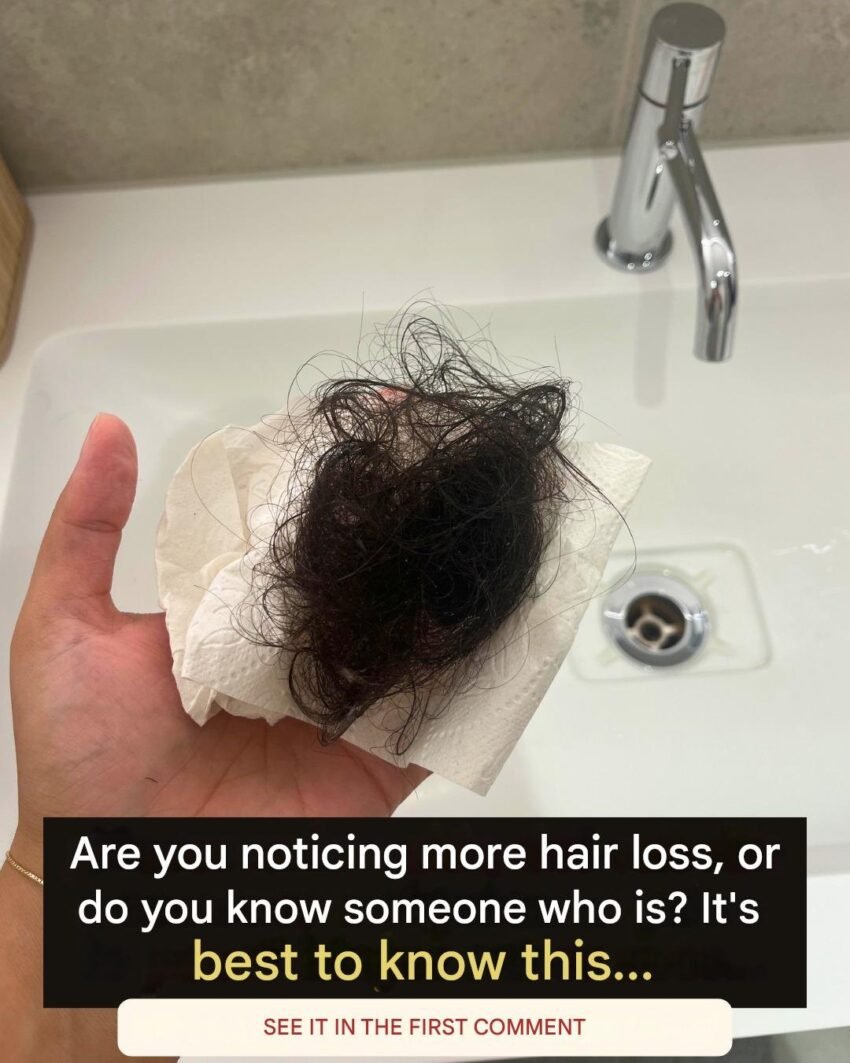
💇♂️ Did You Know Hair Loss Can Be a Symptom of Something Deeper? What Your Body Might Be Trying to Tell You
Hair loss isn’t always cosmetic. Learn the surprising medical, nutritional, and hormonal causes behind hair shedding and when to take it seriously.
You notice more hair in the shower drain.
A few extra strands on your pillow.
Maybe your ponytail feels thinner than it used to.
At first, it seems normal. Everyone sheds hair, right?
But then a question creeps in:
What if it’s not just hair loss… what if it’s a symptom of something else?
That’s where things get important. Because while some hair shedding is completely normal, persistent or sudden hair loss can sometimes be your body’s early warning system.
Let’s break down what it could mean—and when it’s worth paying closer attention.
🧠 Hair Loss Is Not Always Just a Hair Problem
Hair is often seen as cosmetic, but biologically, it’s tied to your overall health.
Each strand goes through a cycle:
- Growth phase
- Resting phase
- Shedding phase
When something disrupts that cycle, shedding increases.
This condition is often referred to as alopecia, and it can happen for many different reasons—not just aging.
🧪 1. Nutritional Deficiencies
One of the most common hidden causes of hair loss is poor nutrition.
Your hair needs:
- Iron
- Protein
- Zinc
- Vitamin D
- Biotin
When levels drop, hair follicles weaken.
Common signs:
- Diffuse thinning
- Increased shedding
- Brittle hair texture
This is especially common in people with restrictive diets or absorption issues.
⚖️ 2. Hormonal Imbalance
Hormones play a major role in hair growth cycles.
Conditions like:
- Thyroid disorders
- Polycystic ovary syndrome (PCOS)
- Postpartum hormonal changes
can all trigger noticeable hair thinning.
Even small shifts in hormones can affect follicle activity.
😰 3. Stress and Emotional Strain
High stress can push hair follicles into a resting phase prematurely.
This condition, often temporary, is known as telogen effluvium.
Triggers include:
- Emotional trauma
- Surgery
- Major life changes
- Chronic anxiety
The result is sudden, widespread shedding—often months after the stress event.
🦠 4. Underlying Medical Conditions
Hair loss can sometimes be a secondary symptom of broader health issues.
These may include:
- Autoimmune disorders
- Scalp infections
- Chronic illnesses
In such cases, hair loss is not the root problem—it’s a signal.
The American Academy of Dermatology emphasizes that sudden or patchy hair loss should be evaluated medically, especially if accompanied by other symptoms.
💊 5. Medication Side Effects
Certain medications can affect hair growth cycles, including:
- Blood thinners
- Antidepressants
- Chemotherapy drugs
- Blood pressure medications
Hair usually regrows after stopping or adjusting treatment—but never change medication without medical advice.
🧬 6. Genetic Hair Loss
Sometimes, hair loss is simply inherited.
Known as androgenetic alopecia, it tends to:
- Gradually thin hair over time
- Affect the crown or hairline
- Run in families
This type is common in both men and women.
🧍 Real-Life Scenario
A 32-year-old woman in London notices sudden hair shedding after a stressful job change.
She assumes it’s permanent.
After medical evaluation, she learns:
- Her iron levels are low
- Stress triggered temporary hair loss
With treatment and lifestyle adjustments, her hair gradually recovers.
The key issue wasn’t the hair—it was the underlying imbalance.
⚖️ When Hair Loss Is Normal vs Concerning
🟢 Normal hair loss:
- 50–100 strands per day
- Mild seasonal shedding
- Temporary stress-related shedding
🔴 Concerning hair loss:
- Sudden large clumps of hair
- Visible scalp thinning
- Patchy bald spots
- Hair loss with fatigue or weight changes
🧠 Pros & Cons of Early Awareness
✅ Pros
- Early detection of health issues
- Better treatment outcomes
- Prevents long-term damage
- Encourages healthier habits
❌ Cons
- Can cause unnecessary anxiety
- May lead to self-diagnosis online
- Not all shedding indicates disease
🚫 Common Misconceptions
❌ “Shampoo causes hair loss”
Not directly. It may highlight existing shedding but doesn’t usually cause it.
❌ “Only older people experience hair loss”
False. It can occur at any age depending on triggers.
❌ “Hair loss always means something serious”
Not always—many cases are temporary.
🧠 Expert Insight: Your Hair Reflects Your Body’s Priorities
When the body is under stress—whether nutritional, emotional, or physical—it prioritizes essential functions like:
- Brain activity
- Heart function
- Organ survival
Hair growth is not a priority, so follicles may slow or stop production temporarily.
That’s why hair is often one of the first visible signs of internal imbalance.
🌍 2026 Trend: Hair Health as a Wellness Indicator
Modern dermatology increasingly views hair as a health biomarker.
New approaches focus on:
- Blood tests for deficiencies
- Stress tracking
- Hormonal profiling
- Personalized treatment plans
Hair health is no longer treated as purely cosmetic—it’s part of overall wellness assessment.
🧾 Action Checklist
✅ What To Do
- Monitor changes in hair density
- Check nutrition and iron levels
- Manage stress effectively
- Seek medical advice for sudden shedding
- Use gentle hair care routines
❌ What To Avoid
- Panic over normal shedding
- Self-diagnosing severe conditions
- Ignoring other symptoms
- Overusing harsh hair treatments
- Delaying medical evaluation when needed
🏁 Conclusion
Hair loss is not always just about appearance.
Sometimes, it’s your body quietly signaling that something deeper is happening—stress, nutrition, hormones, or health changes.
The key is not to panic, but to pay attention.
Hair loss can be a symptom, not just a condition. Understanding the cause is the first step toward restoring both hair health and overall well-being.
If this helped you understand your body better, share it with someone experiencing hair concerns—and encourage them to look beyond the surface.