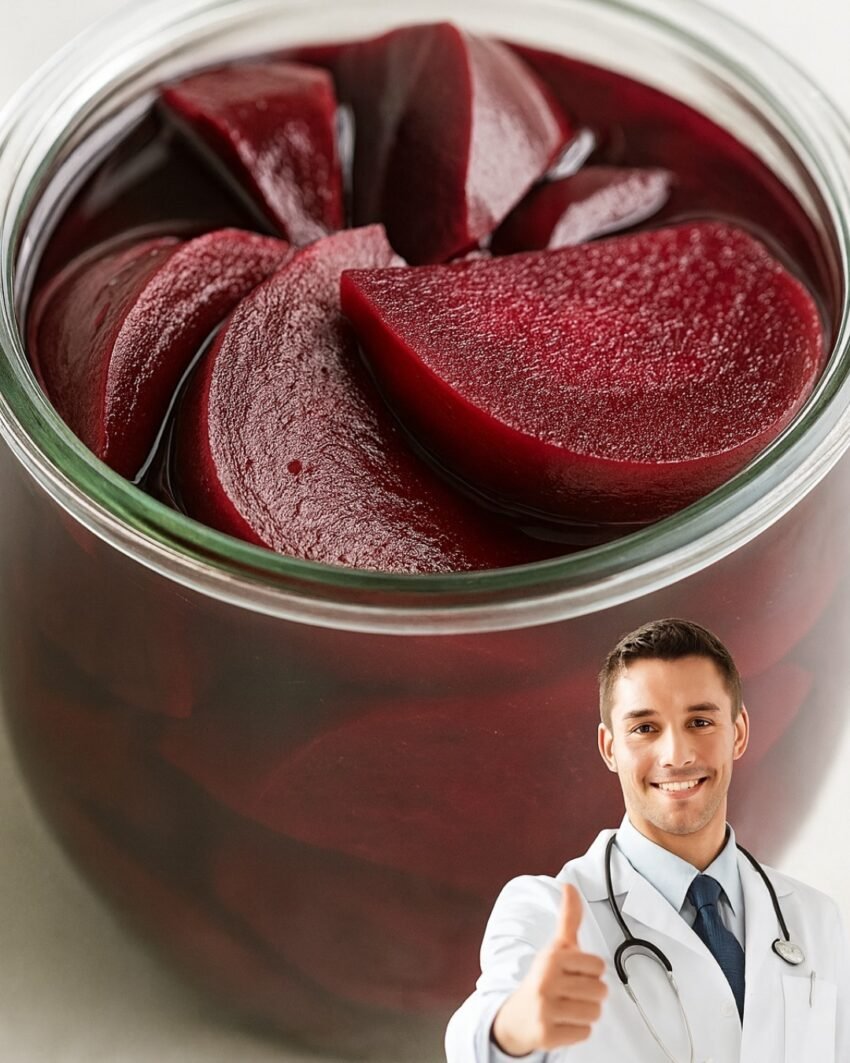
Doctors Reveal 9 Powerful Effects of Eating Beets (Backed by Science)
Discover what doctors say about eating beets—benefits for blood pressure, energy, digestion, and more, plus how to use them safely.
Beets don’t usually top the list of “exciting” foods—but that’s changing fast. Doctors and nutrition researchers are paying serious attention to this deep-red root, and for good reason.
From heart health to exercise performance, beets are quietly delivering benefits that rival some of the most popular superfoods. Still, there’s confusion—what do they actually do, how much should you eat, and are there any downsides?
This guide cuts through the noise. You’ll learn what doctors really say about eating beets, how they affect your body, and how to use them in a way that’s safe, effective, and realistic.
What Makes Beets So Powerful?
Beets are rich in naturally occurring compounds that support multiple systems in the body:
- Nitrates (convert into nitric oxide)
- Antioxidants like betalains
- Fiber
- Essential minerals (potassium, magnesium)
The standout here is nitric oxide—a molecule that helps relax and widen blood vessels, improving circulation.
That single mechanism explains a surprising number of benefits.
1. Lower Blood Pressure (One of the Most Proven Benefits)
Doctors often point to beets for their impact on blood pressure.
When dietary nitrates convert into nitric oxide, blood vessels relax. This can lead to measurable reductions in blood pressure—sometimes within hours.
Research from institutions like Harvard Medical School has highlighted the cardiovascular benefits of nitrate-rich foods like beets.
Why it matters:
- High blood pressure is a major risk factor for heart disease
- Even small reductions can significantly lower risk
2. Improved Heart Health
Better blood flow doesn’t just reduce pressure—it supports overall heart function.
Beets may help:
- Improve oxygen delivery
- Reduce arterial stiffness
- Support long-term cardiovascular health
That’s why cardiologists often recommend incorporating nitrate-rich vegetables into a heart-healthy diet.
3. Boosted Exercise Performance
This one surprises a lot of people.
Athletes—and even casual gym-goers—are using beet juice for performance gains.
Why?
Nitric oxide improves:
- Oxygen efficiency
- Endurance
- Muscle performance
Studies show that beet consumption can help people exercise longer before fatigue sets in.
4. Enhanced Brain Function
Better circulation doesn’t stop at the heart—it extends to the brain.
Beets may support:
- Improved blood flow to the brain
- Better cognitive performance
- Potential protection against age-related decline
Some early research suggests benefits for older adults, especially in maintaining mental sharpness.
5. Digestive Support
Beets are a solid source of fiber, which helps:
- Promote regular bowel movements
- Support gut health
- Feed beneficial gut bacteria
A healthy gut is increasingly linked to everything from immunity to mood.
6. Anti-Inflammatory Properties
The pigments that give beets their rich color—betalains—have antioxidant and anti-inflammatory effects.
This can help:
- Reduce oxidative stress
- Support recovery after exercise
- Lower chronic inflammation risk
7. Natural Detox Support
Let’s be clear: your liver already detoxifies your body.
But beets can support that process by:
- Providing antioxidants
- Supporting liver function
- Helping reduce oxidative damage
It’s not a magic cleanse—but it’s helpful nutrition.
8. Potential Weight Management Benefits
Beets are:
- Low in calories
- High in fiber
- Naturally filling
This combination can support weight management when part of a balanced diet.
9. Improved Skin Appearance
Because of better circulation and antioxidants, some people notice:
- Healthier skin tone
- Reduced dullness
- Improved hydration appearance
This isn’t a guaranteed cosmetic fix—but it’s a nice side effect.
Step-by-Step: How to Add Beets to Your Diet
Step 1: Choose Your Form
- Fresh beets (roasted or boiled)
- Beet juice
- Powder (for smoothies)
Step 2: Start Small
Begin with:
- ½ cup cooked beets
- Or a small glass of beet juice
Step 3: Pair Smartly
Combine with:
- Citrus (enhances absorption)
- Leafy greens
- Healthy fats
Step 4: Stay Consistent
Benefits come from regular intake—not occasional use.
Real-World Example
A 45-year-old office worker with slightly elevated blood pressure starts drinking beet juice daily.
After a few weeks:
- Blood pressure readings improve
- Energy levels increase
- Exercise feels easier
This isn’t a miracle cure—but it’s a meaningful shift from one simple habit.
Comparison: Beets vs Other Superfoods
| Feature | Beets | Kale | Blueberries |
|---|---|---|---|
| Nitrates | High | Low | Very low |
| Antioxidants | High | Very high | Very high |
| Fiber | Moderate | High | Moderate |
| Heart Support | Strong | Strong | Strong |
Each has benefits—but beets stand out for circulation.
Pros and Cons of Eating Beets
Pros
- Supports heart health
- Boosts energy and endurance
- Improves circulation
- Easy to add to meals
Cons
- Can cause red urine or stool (harmless but surprising)
- High in natural sugars
- Not ideal in excessive amounts for some individuals
Common Mistakes (And Fixes)
Mistake: Drinking too much beet juice at once
Fix: Start with small amounts to avoid digestive discomfort
Mistake: Expecting instant dramatic results
Fix: Focus on consistency over time
Mistake: Ignoring overall diet
Fix: Use beets as part of a balanced approach
Expert Insights Most People Miss
- The timing matters: consuming beets 2–3 hours before exercise may enhance performance
- Whole beets provide fiber—juice does not
- Nitrate benefits depend on oral bacteria (yes, really—overusing antibacterial mouthwash may reduce effects)
Trends and Updates (2026)
- Beet-based supplements are gaining popularity in fitness communities
- More research is focusing on cognitive benefits
- Functional foods featuring beet extracts are expanding
Nutrition is shifting toward targeted, functional ingredients—and beets are right in that conversation.
Future Outlook
Expect to see:
- More clinical research on long-term cardiovascular effects
- Increased use in sports nutrition
- Integration into everyday functional foods
Beets are moving from “old-school vegetable” to modern health staple.
FAQ Section
1. How quickly do beets lower blood pressure?
Some effects can appear within hours, but consistent intake is key.
2. Is beet juice better than whole beets?
Juice is more concentrated, but whole beets offer fiber.
3. Can I eat beets every day?
Yes, in moderate amounts.
4. Why does my urine turn red?
This is called beeturia—harmless and temporary.
5. Are beets high in sugar?
They contain natural sugars but are still healthy in moderation.
6. Do beets help with workouts?
Yes, they can improve endurance and efficiency.
7. Are there any risks?
People with kidney stone concerns should monitor intake due to oxalates.
8. Can diabetics eat beets?
Yes, but portion control is important.
9. Do cooked beets lose benefits?
Some nutrients reduce slightly, but many benefits remain.
10. What’s the best time to eat beets?
Before exercise or as part of regular meals.
Action Checklist
Do:
- Add beets to meals regularly
- Start with small portions
- Combine with a balanced diet
- Use before workouts for performance
Avoid:
- Overconsumption
- Relying on beets alone for health fixes
- Ignoring individual health conditions
Conclusion
Beets aren’t hype—they’re backed by real science and real results.
From improving blood flow to supporting heart health and boosting endurance, they offer a wide range of benefits in a simple, natural form.
You don’t need drastic changes—just consistent, smart choices.
Eating beets regularly can support your heart, energy, and overall health—one small habit with big potential impact.
If you found this helpful, share it with someone who could use a simple health upgrade—and explore more ways to improve your daily nutrition.