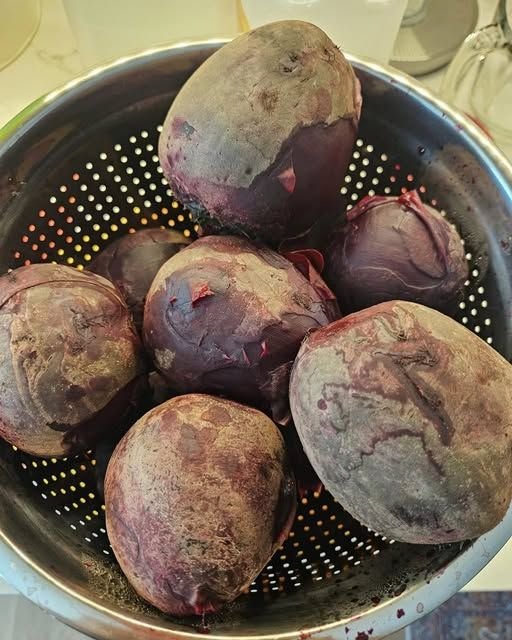
Doctors Reveal That Eating Beets Causes Surprising Health Effects You Didn’t Know
Doctors reveal how eating beets can affect your body—from blood pressure support to natural detox benefits. Learn surprising science-backed effects today.
Beets: More Than Just a Sweet, Earthy Vegetable
Beets, with their deep red color and earthy flavor, are more than a culinary treat—they’re packed with nutrients and bioactive compounds that can have profound effects on your health.
From heart health to athletic performance, eating beets may change the way your body functions in ways you didn’t expect.
What Happens in Your Body When You Eat Beets
Beets are rich in:
- Nitrates: Support blood vessel health and improve circulation
- Betalains: Powerful antioxidants with anti-inflammatory effects
- Fiber: Supports digestion and gut health
- Folate & B Vitamins: Aid in energy production and cell repair
Together, these compounds can have surprising effects on your body, including:
1. Lowering Blood Pressure Naturally
Several studies in the U.S. and Europe show that beet juice or cooked beets can:
- Relax blood vessels
- Improve blood flow
- Reduce both systolic and diastolic blood pressure
A study from Harvard T.H. Chan School of Public Health confirms that dietary nitrates from beets may support cardiovascular health.
2. Boosting Athletic Performance
Beets are popular among athletes because nitrates improve oxygen efficiency:
- Increased stamina during exercise
- Reduced fatigue
- Improved recovery time
Even amateur runners and gym-goers report better endurance after adding beets to their pre-workout meals.
3. Supporting Liver Detoxification
Beets contain betalains, which:
- Aid liver detox pathways
- Reduce oxidative stress
- Support healthy bile production
Regular consumption may help the liver process toxins more efficiently, especially in modern diets with higher processed food intake.
4. Promoting Digestive Health
High fiber content in beets supports:
- Regular bowel movements
- Healthy gut microbiome
- Reduced bloating
Beets act as a gentle prebiotic, feeding good bacteria in your intestines.
5. Improving Cognitive Function
Dietary nitrates in beets may enhance blood flow to the brain, which can:
- Improve focus and concentration
- Support memory and learning
- Reduce age-related cognitive decline risk
6. Potential Blood Sugar Regulation
Though naturally sweet, beets have compounds that may stabilize blood sugar:
- Fiber slows glucose absorption
- Nitrates improve endothelial function, which may support insulin response
- Low to moderate intake is generally safe for most people
How to Eat Beets for Maximum Benefits
- Raw: Thinly sliced or grated in salads
- Juiced: Fresh beet juice before meals or workouts
- Roasted: Preserves most antioxidants while enhancing flavor
- Pickled: Adds probiotics for gut support
- Smoothies: Combine with fruits and leafy greens for nutrient synergy
Pro Tip: Pair with healthy fats like olive oil or avocado to improve absorption of fat-soluble antioxidants.
Common Side Effects to Watch
- Beeturia: Pink or red urine—harmless, just a result of pigments
- Digestive changes: Gas or mild bloating if consumed in large quantities
- Oxalates: People prone to kidney stones should monitor intake
Real-Life Scenario
A 38-year-old teacher in New York started drinking beet juice before morning runs.
- Within two weeks, she noticed increased endurance and less post-run fatigue
- Blood pressure readings showed a small but meaningful decrease
- She also reported improved digestion
Lesson: Beets aren’t just a food—they can be a functional part of your health routine.
Expert Tips
- Start with small servings if you’re new to beets
- Combine with leafy greens for antioxidant synergy
- Avoid overconsumption if prone to kidney stones
- Use both raw and cooked forms to maximize benefits
2026 Trend Update
- Beets remain top trending superfoods in the U.S., featured in juices, smoothies, and health-focused restaurants
- Ongoing research confirms their role in blood pressure management and exercise performance
- Consumers are exploring creative recipes like roasted beet bowls, beet hummus, and fermented beet drinks
FAQs (People Also Ask)
1. Can beets really lower blood pressure?
Yes, dietary nitrates in beets help relax blood vessels and improve circulation.
2. How much beet juice should I drink?
About 1 cup (250 mL) daily is commonly used in studies for health benefits.
3. Will beets stain my teeth?
Yes, beet pigments can temporarily stain teeth; brush after eating if concerned.
4. Can diabetics eat beets?
Yes, in moderation—fiber and compounds in beets help slow sugar absorption.
5. Are beet supplements as effective as whole beets?
Whole beets provide fiber and antioxidants that supplements may lack.
6. Can beets improve athletic performance?
Yes, nitrates enhance oxygen efficiency and stamina.
7. Are pickled beets healthy?
Yes, but watch added sugar in commercial pickling.
8. Is beet juice safe for everyone?
Generally yes, except for people with kidney stone risk or oxalate sensitivity.
9. How should I store beets?
Keep in a cool, dark place or refrigerate for up to 2–3 weeks.
10. Can beets help with liver detox?
Yes, betalains support liver detox pathways and reduce oxidative stress.
Action Checklist
- Incorporate ½–1 cup of beets daily
- Mix raw, roasted, or juiced for variety
- Combine with healthy fats to boost nutrient absorption
- Monitor digestion and hydration
- Include beets as part of a balanced diet for cardiovascular and metabolic support
Eating beets isn’t just a dietary choice—it’s a functional strategy for supporting heart, brain, liver, and gut health.
Small, consistent servings can yield measurable benefits, from improved endurance to blood pressure support.
Final Thoughts
Doctors aren’t just recommending beets for flavor—they recognize them as a superfood with real, science-backed effects.
Next time you see red beets at the market, remember: they’re not just a vegetable—they’re a natural boost for your body, inside and out.
Have you experienced health benefits from eating beets? Share your story below and help others discover this culinary treasure.