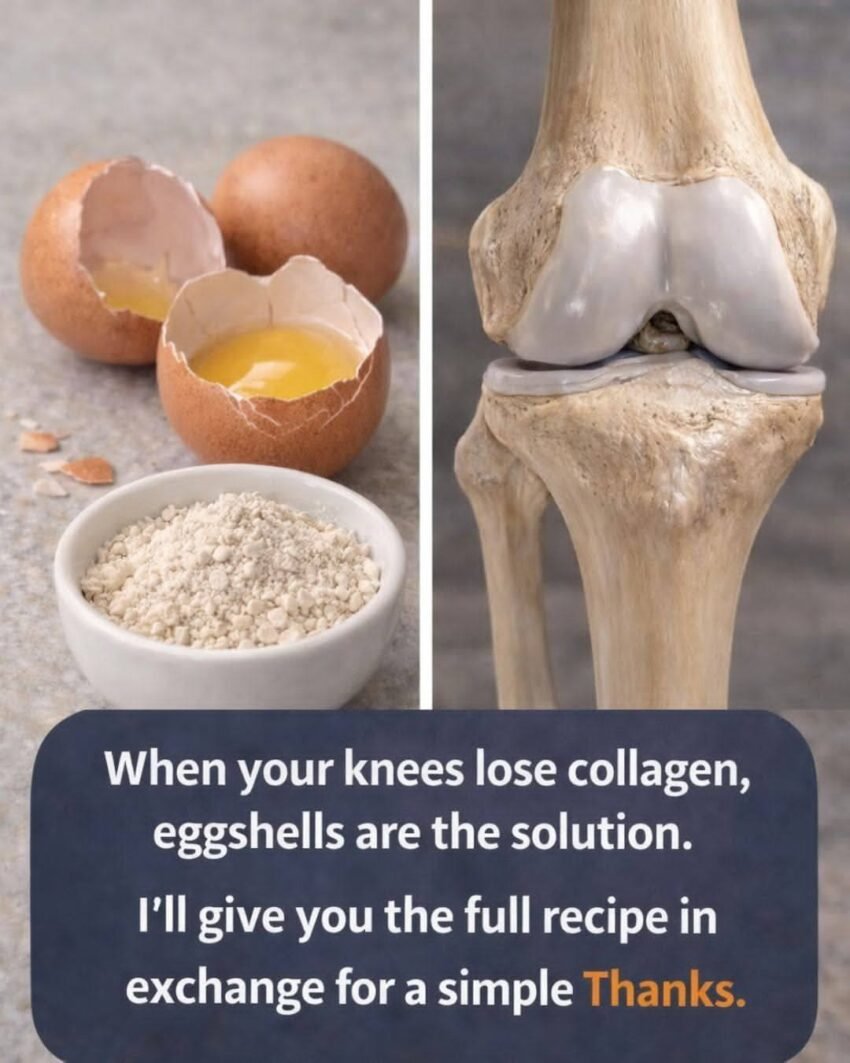
Eggshells for Knee Collagen? Here’s the Truth You Need to Know Before You Try It
Do eggshells really boost knee collagen or joint health? Discover the science, myths, risks, and what actually works for stronger joints.
The Viral Claim That Keeps Coming Back
Scroll through health forums, social media, or old home remedy blogs and you’ll eventually see it:
“Boil eggshells, grind them, and eat them to restore knee collagen.”
It sounds ancient, natural, and almost too simple to question.
Some versions go even further:
- “Rebuild cartilage naturally”
- “Reverse knee pain overnight”
- “Replace supplements with eggshell powder”
But when something sounds this powerful, it’s worth asking a basic question:
Is there any real science behind it—or is it just a recycled myth?
Let’s unpack it properly.
What Eggshells Actually Contain
Eggshells are not just waste. Chemically, they are made of:
- Calcium carbonate (around 90–95%)
- Small amounts of magnesium
- Trace proteins and minerals
Calcium carbonate is the same compound used in some antacids and supplements.
So yes—eggshells do contain nutrients.
But here’s where things get misunderstood.
The Big Misconception: Calcium ≠ Collagen
The viral claim links eggshells to “knee collagen repair.”
But calcium and collagen are completely different things:
- Calcium → supports bone structure
- Collagen → a protein that helps form cartilage, skin, and connective tissue
Your knees depend heavily on cartilage health, which is influenced by collagen—but not directly built from calcium alone.
So even if you consume calcium from eggshells, it does not automatically turn into collagen in your joints.
That’s not how human biology works.
What About “Natural Collagen Repair”?
Knee pain is often associated with joint wear and conditions like Osteoarthritis.
In osteoarthritis, the cartilage between bones gradually breaks down over time.
This process is influenced by:
- Age
- Repetitive stress
- Inflammation
- Genetics
- Body weight and activity levels
No single food—especially eggshell powder—can rebuild cartilage overnight or “restore knee collagen” directly.
That’s where the myth starts to fall apart.
Why People Believe It Works
Even without strong scientific backing, people sometimes report feeling better after trying home remedies.
Here’s why that can happen:
1. Placebo effect
If you believe something will help, your brain can reduce pain perception temporarily.
2. Dietary changes alongside the remedy
People often improve their diet when trying “natural cures,” which actually helps joint health.
3. Natural fluctuation in pain
Joint pain can vary daily, making improvements seem linked to the remedy.
This doesn’t mean eggshells are harmful—but it does mean the perceived effect may not be caused by them.
Are Eggshells Safe to Eat?
This is where things get more serious.
Raw or poorly prepared eggshells may carry risks:
- Bacterial contamination (like Salmonella)
- Sharp particles if not finely processed
- Excess calcium intake if overused
Some traditional practices involve boiling, drying, and grinding eggshells into powder—but even then, safety and absorption are not guaranteed.
Health authorities generally recommend obtaining calcium from:
- Dairy products
- Leafy greens
- Fortified foods
- Approved supplements
What Actually Helps Knee Collagen and Joint Health
If your goal is healthier knees, the focus should shift from myths to evidence-based habits.
1. Protein intake (for collagen building blocks)
Collagen is made from amino acids like:
- Glycine
- Proline
- Hydroxyproline
These come from dietary protein sources such as:
- Eggs (ironically, not the shell)
- Fish
- Poultry
- Beans and legumes
2. Vitamin C (critical for collagen formation)
Without vitamin C, your body cannot properly form collagen.
Good sources:
- Citrus fruits
- Bell peppers
- Strawberries
3. Regular low-impact movement
Joint cartilage thrives on movement.
Helpful activities:
- Walking
- Swimming
- Cycling
- Light strength training
4. Weight management
Extra body weight increases pressure on knees, accelerating wear over time.
Even small reductions can improve joint comfort significantly.
5. Anti-inflammatory diet patterns
Some foods may help reduce inflammation linked to joint discomfort:
- Fatty fish
- Olive oil
- Nuts
- Leafy greens
Eggshells vs Evidence-Based Joint Support
| Factor | Eggshell Powder | Science-Based Approach |
|---|---|---|
| Calcium source | Yes | Yes (but better absorbed sources exist) |
| Collagen support | No | Indirect (via protein + vitamin C) |
| Joint repair | No evidence | Supported by lifestyle + nutrition |
| Safety | Variable | Well-established |
Common Mistakes People Make
1. Confusing minerals with tissue repair
Calcium strengthens bones but doesn’t rebuild cartilage alone.
2. Ignoring movement
Rest alone does not improve joint health long-term.
3. Relying on single “super remedies”
Joint health is multi-factorial, not one-ingredient-based.
4. Delaying real treatment
Persistent knee pain should not be ignored or self-treated indefinitely.
A Real-World Scenario
Someone experiencing mild knee discomfort reads about eggshell powder.
They try it for a few weeks and feel “slightly better.”
But at the same time, they:
- Start walking daily
- Improve their diet
- Lose a small amount of weight
Which one actually helped?
Most likely, it’s the overall lifestyle change—not the eggshells.
Expert Insight: Why Simple Claims Spread So Fast
Health myths spread because they are:
- Easy to understand
- Cheap to try
- Emotionally appealing
- Rooted in “natural” logic
But real biology is more complex.
Collagen production, joint repair, and inflammation control involve multiple systems working together—not a single ingredient shortcut.
What Science Actually Supports
While eggshells don’t rebuild knee collagen, research consistently supports:
- Protein-rich diets for tissue repair
- Vitamin C for collagen synthesis
- Physical activity for joint lubrication
- Weight management for reducing joint load
These are not trendy—but they are reliable.
Frequently Asked Questions
1. Do eggshells really rebuild knee cartilage?
No scientific evidence supports cartilage regeneration from eggshell consumption.
2. Are eggshells a good calcium source?
They contain calcium, but safer and more reliable sources exist.
3. Can eating eggshells reduce knee pain?
There’s no proven direct effect on knee pain.
4. Is eggshell powder safe?
It may carry risks if not properly sterilized and processed.
5. What helps knee joint health naturally?
Balanced nutrition, exercise, and weight management are key.
6. Can collagen supplements help knees?
Some studies suggest mild benefits, but results vary.
7. What causes knee cartilage damage?
Age, injury, inflammation, and long-term stress.
8. Should I try eggshell remedies?
It’s better to focus on evidence-based nutrition and consult a professional.
9. Can diet alone fix knee problems?
Diet helps, but severe issues may require medical treatment.
10. When should I see a doctor?
If pain persists, worsens, or limits movement.
Action Checklist
What to Do
✔ Focus on protein and vitamin C intake
✔ Stay physically active with low-impact exercise
✔ Maintain healthy body weight
✔ Use evidence-based supplements if needed
✔ Consult a professional for persistent pain
What to Avoid
✘ Don’t rely on eggshell remedies as treatment
✘ Don’t ignore chronic knee pain
✘ Don’t expect instant cartilage repair
✘ Don’t replace medical advice with home hacks
✘ Don’t follow viral claims without evidence
Eggshells are an interesting example of how traditional ideas can spread without scientific grounding.
Yes, they contain calcium. Yes, calcium is important for bones.
But knee collagen repair is far more complex than that.
Real joint health comes from consistent habits—not shortcuts.
Eggshells don’t rebuild knee collagen—but smart nutrition and movement actually can support your joints over time.
If you’ve heard other unusual health remedies like this, share them. And if you want practical, science-based wellness insights, there’s plenty more to explore.