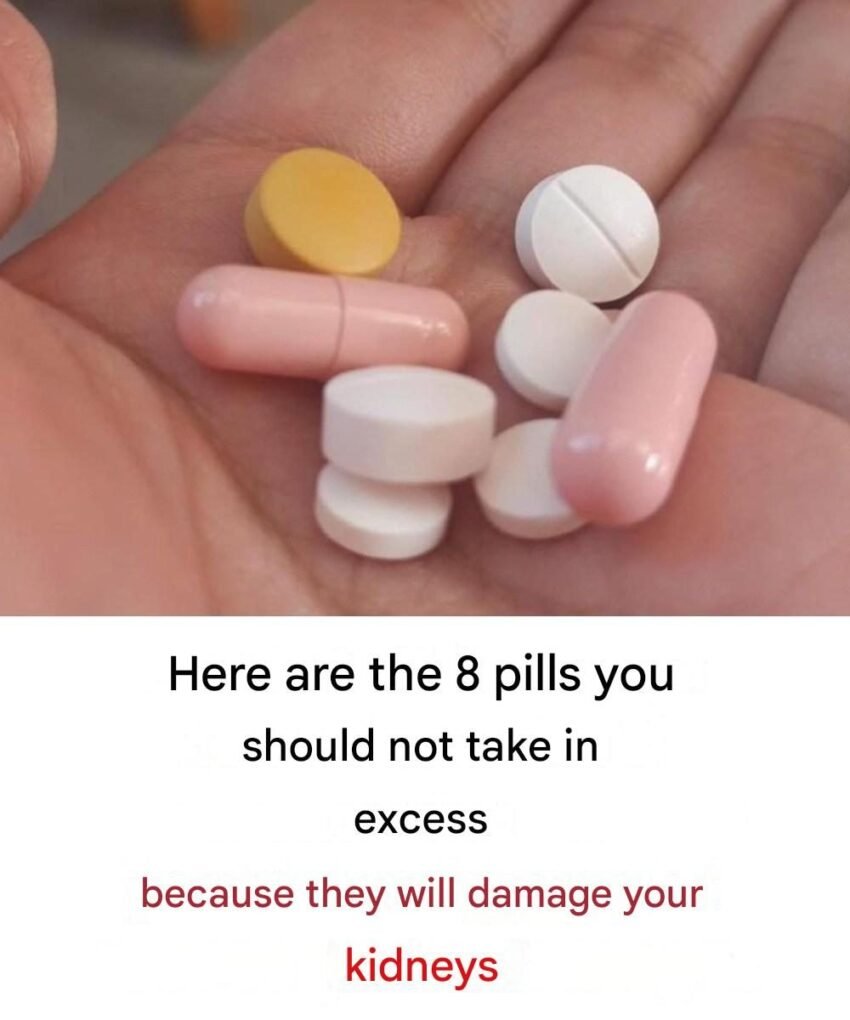
8 Common Pills That Can Harm Your Kidneys (And What to Take Instead)
Discover 8 common medications that may damage your kidneys, warning signs to watch for, and safer alternatives to protect long-term kidney health.
You might be taking something every day that quietly stresses your kidneys
No symptoms. No warning.
Just a pill you’ve taken a hundred times—maybe for pain, heartburn, or a minor infection.
And yet, over time, some of the most common medications in American households can put serious strain on your kidneys—especially when taken too often, in high doses, or alongside other drugs.
This isn’t about fear. It’s about awareness.
Because once you know what to watch for, you can protect your kidneys without giving up the treatments you need.
Why Your Kidneys Are More Vulnerable Than You Think
Your kidneys filter about 50 gallons of blood every single day.
They remove waste, balance fluids, regulate blood pressure, and support overall health.
But here’s the catch:
They’re incredibly efficient—and quietly sensitive.
Damage often builds slowly, without obvious symptoms, until it becomes serious.
That’s why medication-related kidney injury—often referred to as Acute Kidney Injury—can go unnoticed until it’s advanced.
1. Over-the-Counter Painkillers (NSAIDs)
This is the biggest one.
Medications like:
- Ibuprofen
- Naproxen
Why they’re risky:
NSAIDs reduce blood flow to the kidneys.
Used occasionally? Usually fine.
Used daily or in high doses? That’s where problems begin.
Who’s most at risk:
- Older adults
- People with high blood pressure
- Those with existing kidney issues
2. Acid Reflux Medications (PPIs)
Drugs like:
- Omeprazole
The concern:
Long-term use has been linked to increased risk of kidney damage and chronic kidney disease.
Common mistake:
Taking them for months—or years—without medical supervision.
3. Certain Antibiotics
Some antibiotics are lifesaving—but can stress the kidneys.
Examples include:
- Gentamicin
Why it matters:
They can be nephrotoxic, meaning directly harmful to kidney tissue.
Key point:
Risk increases with:
- High doses
- Prolonged use
- Dehydration
4. High-Dose Vitamin Supplements
Surprised?
Even vitamins can be harmful in excess.
Risky ones include:
- Vitamin C (in very high doses)
- Vitamin D (when overused)
Why:
They can lead to kidney stone formation or calcium imbalance.
5. Diuretics (“Water Pills”)
Used for conditions like high blood pressure.
What they do:
- Increase urine production
- Reduce fluid buildup
The risk:
If not monitored, they can cause:
- Dehydration
- Electrolyte imbalance
- Reduced kidney function
6. Lithium (Mental Health Medication)
Used to treat bipolar disorder.
Why it’s risky:
Long-term use can gradually impair kidney function.
Important note:
Never stop lithium without medical guidance—monitoring is the key.
7. Contrast Dyes Used in Imaging
Not a pill—but often overlooked.
Used in CT scans and other imaging tests.
Risk:
Can trigger kidney injury, especially in:
- Diabetics
- Older adults
- Those with existing kidney disease
8. Herbal Supplements (Yes, Really)
Natural doesn’t always mean safe.
Some herbal products contain compounds that harm the kidneys.
Examples:
- Aristolochic acid (found in some traditional remedies)
The problem:
Supplements aren’t always strictly regulated.
Why This Matters in the U.S.
According to organizations like the Centers for Disease Control and Prevention, millions of Americans live with chronic kidney disease—many without knowing it.
Medication-related damage is a preventable contributor.
That’s the key word: preventable.
Warning Signs of Kidney Trouble
Kidney damage often develops silently—but watch for:
- Swelling in legs or ankles
- Fatigue
- Changes in urination
- Nausea
- Shortness of breath
If you notice these, seek medical advice promptly.
Safer Alternatives and Smarter Choices
For Pain Relief
- Use the lowest effective dose
- Consider acetaminophen (with caution)
For Acid Reflux
- Dietary changes
- Short-term medication use only
For Supplements
- Stick to recommended daily values
- Avoid megadoses
Step-by-Step: Protect Your Kidneys Starting Today
Step 1: Review Your Medications
List everything:
- Prescriptions
- OTC drugs
- Supplements
Step 2: Talk to Your Doctor or Pharmacist
Ask:
- “Is this safe for my kidneys?”
- “Are there alternatives?”
Step 3: Stay Hydrated
Water supports kidney filtration.
Step 4: Avoid Mixing Medications Without Guidance
Drug combinations increase risk.
Step 5: Get Routine Blood Tests
Check kidney function regularly if you take long-term medications.
Common Mistakes That Increase Risk
Mistake #1: Assuming OTC = Safe
Fix: Follow dosage instructions strictly
Mistake #2: Taking Multiple Painkillers Together
Fix: Avoid stacking NSAIDs
Mistake #3: Ignoring Labels
Fix: Always read warnings
Mistake #4: Self-Medicating Long-Term
Fix: Involve a healthcare professional
Pros and Cons of Common Medications
| Medication Type | Pros | Cons |
|---|---|---|
| NSAIDs | Effective pain relief | Kidney stress with overuse |
| PPIs | Strong acid control | Long-term kidney risk |
| Antibiotics | Treat infections | Potential toxicity |
| Supplements | Nutritional support | Overuse risks |
Expert Insights Most People Miss
1. Dose and Duration Matter More Than the Drug Itself
Even safe medications become harmful when overused.
2. Dehydration Amplifies Risk
Many kidney injuries occur when meds + low fluid levels combine.
3. Early Damage Is Often Reversible
If caught early, kidney function can improve.
2026 Update: What’s Changing
- Increased awareness of medication-related kidney damage
- Better labeling on OTC drugs
- More emphasis on patient education
Healthcare systems are focusing more on prevention rather than treatment.
Mini Case Scenario
A middle-aged adult takes ibuprofen daily for back pain.
No issues—until fatigue and swelling appear.
Blood tests reveal reduced kidney function.
They stop NSAIDs, adjust medications, improve hydration.
Within months, kidney function improves.
The key? Early action.
Frequently Asked Questions
1. Are all painkillers bad for kidneys?
No—only certain types, especially when overused.
2. Can kidney damage be reversed?
Sometimes, especially if caught early.
3. How much ibuprofen is too much?
Anything beyond recommended doses or long-term use without guidance.
4. Are herbal supplements safe?
Not always—some can harm kidneys.
5. Should I stop my medication immediately?
No—always consult your doctor first.
6. How do I know if my kidneys are healthy?
Blood and urine tests can assess function.
7. Do young people need to worry?
Yes—especially with frequent OTC use.
8. Is drinking water enough to protect kidneys?
It helps, but doesn’t eliminate medication risks.
9. Can combining medications increase risk?
Yes—drug interactions can amplify damage.
10. What’s the safest approach?
Use medications only as needed and under guidance.
Action Checklist: Protect Your Kidneys Now
✅ Do This
- Follow dosage instructions carefully
- Stay hydrated
- Review medications regularly
- Ask questions about kidney safety
- Get routine health checks
❌ Avoid This
- Don’t overuse OTC painkillers
- Don’t mix medications blindly
- Don’t assume “natural” means safe
- Don’t ignore symptoms
Conclusion: Small Choices, Big Impact
Your kidneys don’t ask for much.
Just a little awareness. A little caution.
The medications listed here aren’t “bad”—they’re powerful tools that need to be used wisely.
And that’s where most people slip.
You don’t need to fear your medicine cabinet—you just need to use it intelligently. Protect your kidneys now, and they’ll quietly take care of you for decades to come.
If this opened your eyes, share it with someone who relies on daily medications—and explore more practical health insights to stay ahead of preventable risks.