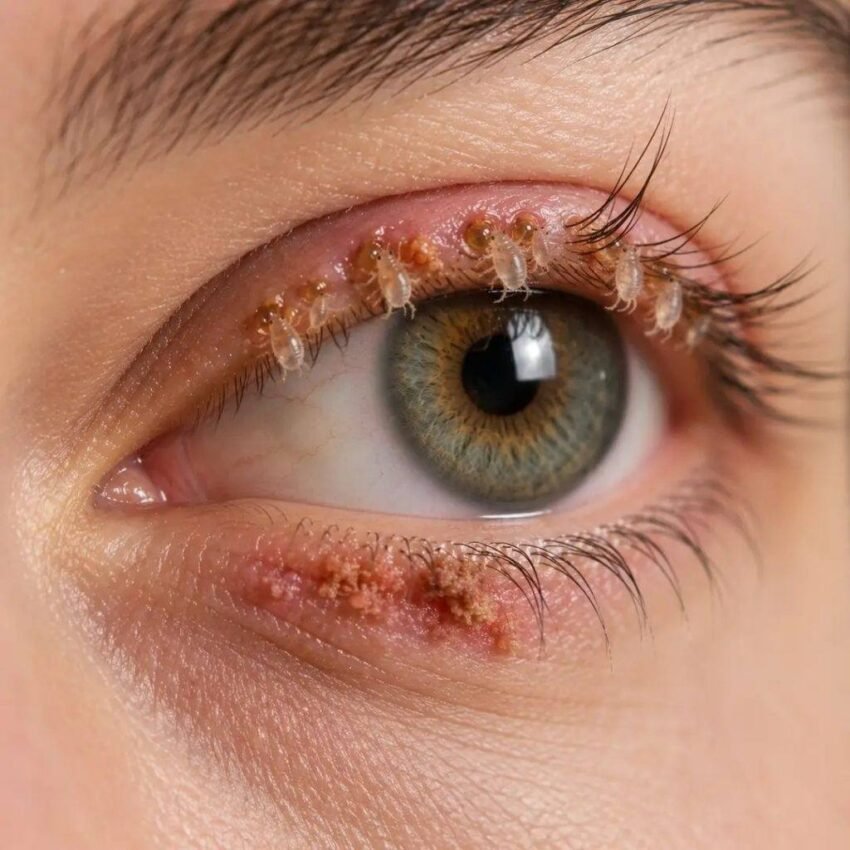
Sleeping With Contact Lenses and Makeup On: The Hidden Consequences Your Eyes and Skin Don’t Forget
Sleeping with contact lenses or makeup can harm your eyes and skin. Discover the real risks, long-term effects, and safe habits to protect your health.
Sleeping With Contact Lenses and Makeup On: The Hidden Consequences Your Eyes and Skin Don’t Forget
It always happens the same way.
A long day turns into a late night.
You tell yourself:
“Just this once, I’ll sleep like this.”
Maybe you’re too tired to remove your makeup.
Maybe you forget your contact lenses are still in.
Maybe you think it won’t matter for a single night.
But your body doesn’t treat “just once” the way your mind does.
And your eyes and skin are far less forgiving than we assume.
What feels like a harmless shortcut can quietly set off a chain reaction:
- irritation
- dryness
- infection risk
- inflammation
- long-term sensitivity
Most people don’t notice the consequences immediately.
But the effects often build slowly—until one day, your eyes feel different… or your skin reacts in ways it didn’t before.
Let’s break down what actually happens when you sleep with contact lenses and makeup on—and why eye care professionals consistently warn against it.
Why This Habit Is More Serious Than It Seems
At first glance, it feels minor.
You’re just sleeping.
You’ve done it before.
Nothing happened.
But the eye is one of the most delicate and exposed organs in the human body.
And your skin—especially around the eyes—is thinner, more absorbent, and more sensitive than most people realize.
When you sleep, your body enters repair mode:
- tear production slows
- blinking stops
- oxygen supply to the eye decreases slightly
- skin regeneration becomes more active
Now add:
- contact lenses blocking oxygen flow
- makeup trapping debris and bacteria
The environment becomes far less friendly than during waking hours.
Sleeping With Contact Lenses: What Really Happens
Contact lenses are designed for daytime wear.
Not extended overnight use (unless specifically prescribed extended-wear lenses).
When you fall asleep wearing them, several things change inside your eye.
1. Reduced Oxygen Supply to the Cornea
Your cornea gets oxygen directly from the air—not blood.
Contact lenses already reduce oxygen flow slightly.
When you sleep:
- eyes are closed
- oxygen exposure is lower
- lens remains in place
This can lead to:
- dryness
- irritation
- swelling of the cornea
Even short overnight use can stress the eye.
2. Increased Risk of Eye Infections
This is one of the most serious risks.
Sleeping in lenses increases the chance of infections such as:
- keratitis (corneal inflammation)
- bacterial infections
- in rare cases, serious corneal damage
Why?
Because bacteria thrive in warm, moist environments—especially when trapped under a lens.
The risk increases if:
- lenses are not cleaned properly
- hands weren’t clean before insertion
- lenses are worn beyond recommended duration
3. Dry, Gritty Eyes the Next Morning
Many people wake up with:
- burning sensation
- redness
- blurry vision
- feeling like something is stuck in the eye
That’s because overnight lens wear disrupts natural tear distribution.
Your eyes essentially become “dehydrated” on a micro level.
4. Lens Sticking to the Eye
Sometimes lenses dry out and cling tightly to the cornea.
Trying to remove them immediately can:
- irritate the eye further
- scratch the surface
- increase discomfort
Eye professionals often recommend rehydrating drops before removal in such cases.
Sleeping With Makeup On: What Happens to Your Skin
Now let’s talk about what happens when makeup stays on overnight.
It may feel harmless—but your skin experiences it very differently.
1. Clogged Pores and Breakouts
Makeup traps:
- oil
- dirt
- pollution
- bacteria
When left overnight:
- pores become blocked
- sebum builds up
- acne bacteria multiply
This can lead to:
- pimples
- blackheads
- inflamed skin
Even one night can trigger breakouts in sensitive skin.
2. Eye Irritation and Infection Risk
Mascara, eyeliner, and eyeshadow can:
- flake into the eyes
- mix with tears
- block oil glands along eyelids
This increases the risk of:
- styes (painful eyelid bumps)
- conjunctival irritation
- watery or red eyes
3. Premature Skin Aging
This is a long-term effect many people overlook.
Sleeping in makeup exposes skin to:
- oxidative stress
- free radicals from pollution trapped in makeup
- dehydration overnight
Over time, this may contribute to:
- fine lines
- dull skin
- uneven texture
Skin repairs itself at night—but makeup interferes with that process.
4. Weakening of the Skin Barrier
Your skin barrier protects against:
- bacteria
- irritants
- moisture loss
When makeup stays on overnight, the barrier becomes stressed.
This can result in:
- sensitivity
- redness
- increased reactivity to products
Mini Scenario: “I’ll Remove It Tomorrow”
A college student comes home exhausted after a long event night.
She thinks:
“I’ll just sleep and clean my face in the morning.”
She repeats it once in a while.
Then more often.
Within weeks, she notices:
- frequent breakouts
- dry patches
- irritated eyes
Nothing changed suddenly.
But small habits quietly accumulated into visible skin changes.
Why People Keep Doing It (Even Knowing the Risks)
This habit isn’t about ignorance.
It’s usually about:
- fatigue
- convenience
- forgetfulness
- emotional exhaustion
At night, the brain prioritizes rest—not skincare routines or lens removal.
That’s why systems matter more than motivation.
The Dangerous Combination: Lenses + Makeup Together
When both happen at the same time, risks increase because:
- makeup particles can get trapped under lenses
- bacteria from makeup can enter the eye
- eye surface becomes more vulnerable overnight
- inflammation risk multiplies
It’s not just additive—it’s compounding.
Signs Your Eyes or Skin Are Reacting Badly
Watch for:
- persistent redness
- blurry vision
- pain or discomfort in the eye
- frequent styes
- acne flare-ups
- dry, tight skin
- sensitivity to light or products
If symptoms persist, professional evaluation is important.
Safe Habits That Make a Big Difference
1. Remove Lenses Before Sleeping
Always remove contact lenses unless specifically prescribed for overnight wear.
Keep:
- solution nearby
- lens case clean
- backup glasses accessible
2. Double Cleanse Your Face
Especially after makeup use:
- first cleanse removes makeup
- second cleanse cleans skin properly
3. Keep Eye Makeup Minimal Before Long Days
Heavy makeup increases removal fatigue at night.
4. Build a “No Excuses” Night Routine
Even simple routines help:
- makeup remover wipes nearby
- lens case on bedside table
- reminder alarms if needed
5. Replace Old Makeup Regularly
Old products harbor more bacteria.
Comparison Table: Healthy vs Risky Night Habits
| Healthy Habit | Risky Habit |
|---|---|
| Removing lenses before sleep | Sleeping in contact lenses |
| Removing makeup nightly | Sleeping with makeup on |
| Cleaning skin gently | Skipping cleansing regularly |
| Using fresh makeup products | Using expired products |
| Following eye care routine | Ignoring lens hygiene |
Common Mistakes People Make
Mistake #1: “It Happened Once, So It’s Fine”
Damage is often cumulative, not immediate.
Fix: Treat every night as important.
Mistake #2: Using Water Instead of Proper Cleanser
Water alone doesn’t remove oil-based makeup.
Fix: Use appropriate cleansing products.
Mistake #3: Reusing Dirty Lens Cases
Cases can harbor bacteria.
Fix: Clean and replace regularly.
Mistake #4: Ignoring Mild Eye Discomfort
Small irritation can escalate if repeated.
Fix: Address symptoms early.
Expert Insight: Small Habits Shape Long-Term Eye and Skin Health
Most eye and skin issues don’t come from one dramatic event.
They come from repeated small behaviors:
- skipping removal once
- repeating it weekly
- normalizing discomfort
The body adapts—but not always in a good way.
Prevention is far easier than correction.
Frequently Asked Questions
Is it ever safe to sleep with contact lenses?
Only if they are specifically designed for extended wear and approved by an eye care professional.
What happens if I accidentally sleep with makeup on once?
Usually no serious damage, but irritation or breakouts may occur in sensitive skin.
Can sleeping in contact lenses damage your eyes permanently?
Repeated or improper use can increase risk of serious eye infections or complications.
Why do my eyes feel dry after sleeping in lenses?
Because oxygen flow and tear distribution are reduced overnight.
Does sleeping with makeup cause acne?
Yes, it can clog pores and trigger breakouts.
What is the worst-case scenario of sleeping in contacts?
Severe infections like keratitis, which require urgent medical treatment.
How can I prevent forgetting to remove makeup or lenses?
Create a consistent nighttime routine and keep removal tools visible.
Can mascara cause eye infections?
Yes, especially if left overnight or used beyond expiration.
Is waterproof makeup more harmful overnight?
It is harder to remove and may increase skin stress if not cleansed properly.
What’s the safest nightly routine?
Remove lenses → cleanse face → moisturize → sleep.
Action Checklist: Protecting Your Eyes and Skin
What To Do
✔ Remove contact lenses before sleep
✔ Clean makeup thoroughly every night
✔ Use proper eye-safe products
✔ Replace old cosmetics regularly
✔ Maintain clean lens hygiene
✔ Watch for early irritation signs
What To Avoid
✘ Sleeping in contact lenses
✘ Leaving makeup on overnight
✘ Reusing dirty lens cases
✘ Ignoring eye discomfort
✘ Using expired beauty products
Final Thoughts
Sleeping in contact lenses or makeup once might not cause immediate damage—but the real risk lies in repetition and neglect.
Your eyes and skin are constantly repairing themselves overnight.
When you remove barriers—like lenses and makeup—you allow that process to happen properly.
It’s not about perfection.
It’s about consistency.
Because small nightly habits quietly shape long-term eye comfort, skin health, and even how refreshed you look every morning.
Removing contact lenses and makeup before sleep is one of the simplest but most powerful habits for protecting long-term eye and skin health.