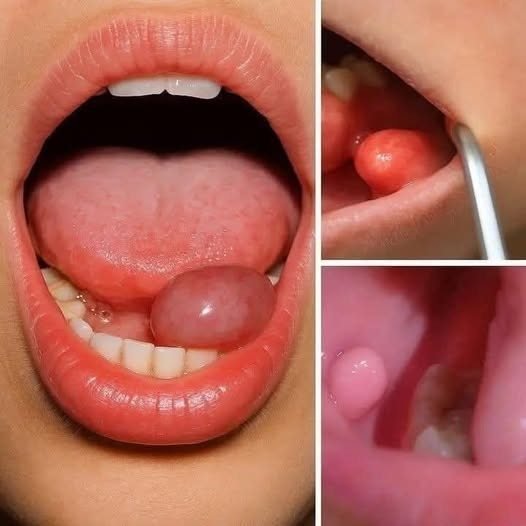
Mouth Ulcer: Causes, Symptoms, Best Treatments, and When You Should Worry
Learn what causes mouth ulcers, how to treat them fast, which remedies actually work, and when a mouth sore could signal a serious health issue.
That tiny sore inside your mouth can make everything miserable.
Eating burns. Talking feels irritating. Even drinking water suddenly becomes uncomfortable.
Most people think mouth ulcers are “just one of those things,” but recurring or painful ulcers can sometimes point to stress, nutritional deficiencies, immune issues, irritation, or underlying health conditions you shouldn’t ignore.
The good news? Most mouth ulcers are harmless and heal on their own within one to two weeks. The challenge is figuring out:
- Why they appeared
- How to reduce the pain quickly
- What helps them heal faster
- When it’s time to see a doctor
If you’ve ever stood in front of a mirror trying to figure out whether a sore in your mouth is normal or something serious, this guide will help you understand exactly what’s happening.
What Is a Mouth Ulcer?
A mouth ulcer is a small sore that forms inside the mouth, usually on:
- The inside of the cheeks
- Lips
- Tongue
- Gums
- Roof of the mouth
Most ulcers appear white, yellow, or gray in the center with a red inflamed border around them.
They’re different from cold sores.
That distinction matters.
Mouth Ulcer vs Cold Sore
| Mouth Ulcer | Cold Sore |
|---|---|
| Appears inside the mouth | Usually appears outside the lips |
| Not contagious | Contagious |
| Often caused by irritation or stress | Caused by herpes simplex virus |
| Flat or shallow sore | Fluid-filled blisters |
Many people confuse the two, especially during early stages.
Common Symptoms of a Mouth Ulcer
The symptoms can vary depending on the type and severity, but most people experience:
- A painful sore inside the mouth
- Burning or tingling before the ulcer appears
- Pain while eating spicy or acidic foods
- Swelling around the sore
- Sensitivity when brushing teeth
- Difficulty talking or chewing in severe cases
Some ulcers stay tiny. Others become large enough to interfere with daily life.
What Causes Mouth Ulcers?
This is where things get more complicated.
There isn’t always one single cause.
Sometimes a mouth ulcer appears after accidentally biting your cheek. Other times, recurring ulcers can signal deeper issues your body is trying to communicate.
1. Stress and Emotional Pressure
One of the biggest triggers is stress.
Many people notice ulcers appearing:
- Before exams
- During work pressure
- After poor sleep
- During emotionally overwhelming periods
Stress affects immune function and inflammation, making the mouth more vulnerable.
2. Minor Mouth Injuries
Simple irritation can trigger an ulcer, including:
- Accidentally biting the inside of your mouth
- Aggressive tooth brushing
- Sharp braces or dental appliances
- Poorly fitted dentures
Even crunchy foods like chips can scrape mouth tissue enough to cause irritation.
3. Nutritional Deficiencies
Low levels of certain nutrients are strongly linked with recurring ulcers, especially:
- Vitamin B12
- Iron
- Folate
- Zinc
This is surprisingly common in people with restrictive diets or digestive absorption issues.
4. Acidic or Spicy Foods
Certain foods irritate sensitive tissue, including:
- Citrus fruits
- Pineapple
- Tomatoes
- Spicy sauces
- Highly salty snacks
Not everyone reacts the same way, but food triggers are very real for some people.
5. Hormonal Changes
Some women experience ulcers during:
- Menstrual cycles
- Pregnancy
- Hormonal fluctuations
Researchers believe hormonal shifts can affect inflammation and immune responses.
6. Medical Conditions
Recurring or severe ulcers may sometimes be associated with:
- Celiac disease
- Crohn’s disease
- Ulcerative colitis
- Behçet’s disease
- Immune disorders
This doesn’t mean every ulcer is dangerous — far from it — but frequent ulcers deserve attention.
Types of Mouth Ulcers
Not all mouth ulcers look or behave the same way.
Minor Ulcers
These are the most common.
They:
- Heal within 1–2 weeks
- Are small and round
- Usually leave no scar
Major Ulcers
These are larger, deeper, and more painful.
They:
- May take weeks to heal
- Can leave scars
- Often interfere with eating
Herpetiform Ulcers
These appear in clusters of tiny sores.
Despite the name, they are not caused by herpes.
How to Treat Mouth Ulcers Fast
Most treatments focus on:
- Reducing pain
- Preventing irritation
- Helping healing happen naturally
Salt Water Rinse
One of the simplest remedies still works surprisingly well.
Mix:
- 1 teaspoon salt
- 1 cup warm water
Rinse gently for about 30 seconds.
It may sting briefly, but it can reduce inflammation and bacteria.
Avoid Trigger Foods
Temporarily avoid:
- Spicy foods
- Acidic drinks
- Crunchy snacks
- Very hot beverages
Your mouth heals faster when irritation stops.
Over-the-Counter Treatments
Many pharmacies carry:
- Protective ulcer gels
- Antiseptic mouthwashes
- Numbing medications
These can make eating and speaking much more comfortable.
Stay Hydrated
Dry mouth slows healing.
Drink enough water throughout the day, especially if you’re sick or stressed.
Improve Oral Hygiene
Gentle brushing helps prevent secondary infection.
Use:
- A soft-bristle toothbrush
- Alcohol-free mouthwash if needed
Natural Remedies People Often Use
Some home remedies may help soothe symptoms, although scientific evidence varies.
Honey
Honey has natural antibacterial and anti-inflammatory properties.
Applying a small amount carefully may reduce irritation.
Coconut Oil
Some people use coconut oil for its soothing effect and antimicrobial properties.
Ice Chips
Holding ice against the sore can temporarily numb pain and reduce swelling.
When You Should See a Doctor
Most mouth ulcers are harmless.
But some signs should never be ignored.
See a healthcare professional if:
- The ulcer lasts longer than 2–3 weeks
- You have frequent recurring ulcers
- The pain becomes severe
- You develop fever or swelling
- Eating becomes difficult
- The ulcer is unusually large
- You notice unexplained weight loss
- The sore appears hard or irregular
Persistent mouth sores can occasionally signal more serious conditions, including oral cancer, especially in smokers or heavy alcohol users.
That’s why long-lasting ulcers deserve medical evaluation.
Mouth Ulcers in Children
Children commonly develop mouth ulcers too.
Triggers often include:
- Minor injuries
- Viral infections
- Stress
- Nutritional issues
Kids may become:
- Irritable
- Reluctant to eat
- Sensitive to certain foods
Hydration becomes especially important.
If a child develops high fever, dehydration, or multiple painful sores, contact a pediatrician.
Can Mouth Ulcers Be Prevented?
Not always completely, but certain habits reduce risk significantly.
Prevention Tips
- Manage stress levels
- Sleep consistently
- Maintain good oral hygiene
- Use a soft toothbrush
- Avoid food triggers
- Stay hydrated
- Correct vitamin deficiencies
- Visit your dentist regularly
People with recurring ulcers often notice patterns over time.
Keeping a simple symptom journal can help identify triggers.
Common Mistakes People Make
Ignoring Recurring Ulcers
Repeated ulcers aren’t always “normal.”
Persistent recurrence deserves investigation.
Using Harsh Mouthwash Excessively
Some alcohol-based mouthwashes can worsen irritation.
Picking at the Ulcer
Touching or scraping slows healing and increases pain.
Eating Trigger Foods Anyway
That spicy meal may not feel worth it later.
Are Mouth Ulcers Contagious?
Most common mouth ulcers are not contagious.
However, if the sore is actually a cold sore caused by herpes simplex virus, that can spread through close contact.
Proper diagnosis matters.
The Emotional Side People Rarely Talk About
Persistent mouth ulcers can affect more than physical comfort.
People dealing with frequent outbreaks sometimes experience:
- Anxiety about eating
- Social discomfort
- Frustration during conversations
- Sleep disruption from pain
When ulcers become chronic, they can quietly impact quality of life more than many realize.
Frequently Asked Questions
How long do mouth ulcers usually last?
Most minor mouth ulcers heal within 7–14 days.
Can stress really cause mouth ulcers?
Yes. Stress is one of the most commonly reported triggers.
Are mouth ulcers dangerous?
Usually no, but ulcers lasting more than 2–3 weeks should be checked by a doctor.
What foods make mouth ulcers worse?
Spicy, acidic, salty, and crunchy foods commonly increase irritation.
Can vitamin deficiency cause mouth ulcers?
Yes. Low levels of vitamin B12, iron, folate, and zinc are associated with recurring ulcers.
Is toothpaste linked to mouth ulcers?
Some people are sensitive to sodium lauryl sulfate (SLS), a common toothpaste ingredient.
Should I pop or scrape a mouth ulcer?
No. That usually worsens irritation and delays healing.
Can dehydration cause mouth ulcers?
Dry mouth may increase irritation and slow healing, though dehydration alone isn’t usually the sole cause.
Are recurring mouth ulcers normal?
Occasional ulcers are common. Frequent or severe ulcers deserve medical attention.
Mouth Ulcer Care Checklist
What To Do
✔ Rinse with warm salt water
✔ Drink plenty of water
✔ Use a soft toothbrush
✔ Avoid spicy and acidic foods
✔ Get enough sleep
✔ Monitor recurring patterns
✔ Consider vitamin testing if ulcers repeat often
What To Avoid
✘ Picking at the ulcer
✘ Smoking
✘ Excessively spicy foods
✘ Harsh mouthwash
✘ Ignoring ulcers lasting over 3 weeks
✘ Aggressive brushing
Final Thoughts
A mouth ulcer may seem small, but anyone who’s had one knows how disruptive it can become.
Most heal quickly with simple care and a little patience. But recurring or unusually severe ulcers deserve attention — not panic, just awareness.
Your mouth often reflects what’s happening elsewhere in the body, from stress levels to nutrition and overall health.
Pay attention to patterns.
Sometimes that tiny sore is simply bad luck after biting your cheek. Other times, it’s your body asking for better rest, nutrition, or medical evaluation.
Most mouth ulcers are harmless and temporary, but recurring or long-lasting sores should never be ignored.
If this guide helped you, share it with someone dealing with painful mouth sores or save it for future reference.