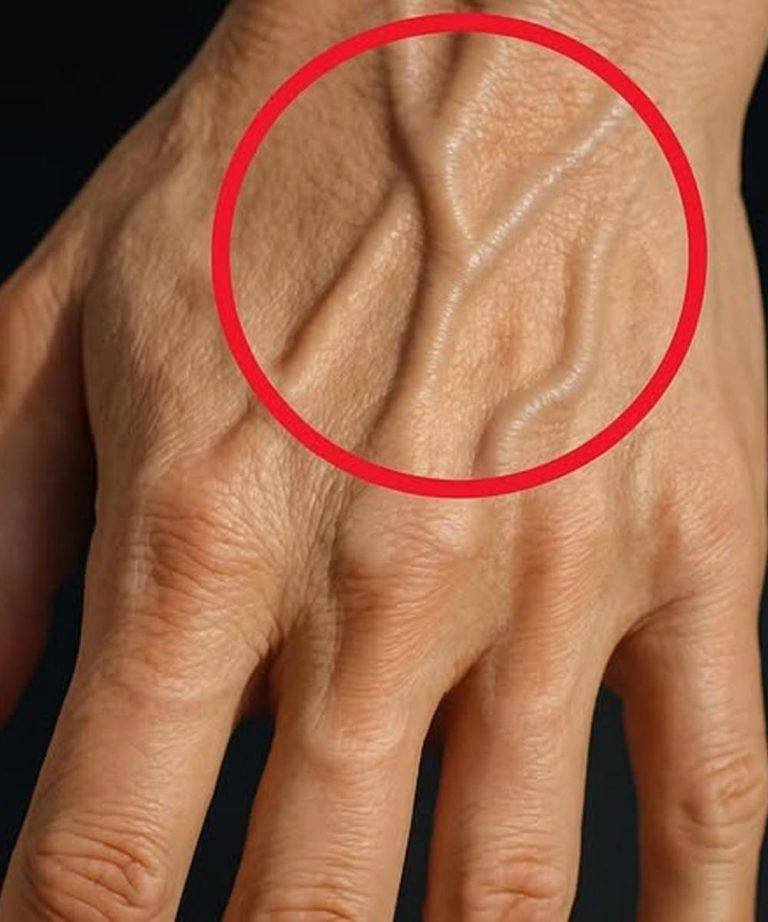
If Your Veins Are Visible, Here’s What It Really Means (And When You Should Pay Attention)
Visible veins on your arms or legs? Learn what causes them, when they’re normal, and warning signs of vein problems—plus simple ways to improve circulation.
Noticing Your Veins More Than Usual?
Maybe it started casually.
You glanced at your hands and noticed the veins looked more pronounced. Or perhaps your legs showed thin blue lines that weren’t there before.
At first, it’s easy to brush off.
But then the thought creeps in:
Is this normal—or something I should be worried about?
Here’s the reality: visible veins can mean very different things depending on your body, your lifestyle, and your overall health.
Some causes are completely harmless.
Others? They deserve a closer look.
In this guide, you’ll get a clear, no-nonsense breakdown of what visible veins actually mean—and what your next step should be.
Why Veins Become Visible in the First Place
Veins are part of your circulatory system, carrying blood back to your heart. Unlike arteries, they sit closer to the surface of your skin.
That’s why they can sometimes show through.
But visibility isn’t random—it usually happens because of a few key factors.
1. Low Body Fat
Fat acts like a layer of padding over your veins.
When that layer is thinner, veins become more noticeable.
This is common in:
- Athletes
- People who have lost weight
- Naturally lean individuals
In this case, visible veins are usually a sign of low body fat—not poor health.
2. Increased Blood Flow
After exercise—or even during hot weather—your body increases blood circulation.
This causes veins to expand slightly, making them stand out more.
That’s why your veins might look more visible:
- After a workout
- On a hot day
- During periods of stress
3. Aging and Skin Changes
As you get older:
- Skin becomes thinner
- Collagen decreases
- Fat beneath the skin reduces
This makes veins more noticeable, especially on:
- Hands
- Arms
- Legs
This is one of the most common—and completely natural—reasons.
4. Genetics
Some people simply have more visible veins.
If your parents or relatives had prominent veins, there’s a good chance you will too.
When Visible Veins Are Totally Normal
Let’s be clear: in many cases, visible veins are not a health problem.
They’re often just a reflection of:
- Your body composition
- Your activity level
- Your age
If your veins are:
- Not painful
- Not swollen
- Not changing rapidly
There’s usually no cause for concern.
When Visible Veins Might Signal a Problem
This is where you need to pay attention.
Visible veins themselves aren’t the issue—it’s the symptoms that come with them.
1. Varicose Veins
These are enlarged, twisted veins that often bulge out from the skin.
They usually appear in the legs.
Signs to watch for:
- Aching or heavy legs
- Swelling
- Burning or throbbing sensation
- Worsening discomfort after standing
This happens when vein valves weaken and blood starts pooling.
2. Spider Veins
These are smaller, web-like veins near the surface.
They’re typically harmless but can signal early circulation issues.
3. Chronic Venous Insufficiency (CVI)
A more serious condition where blood struggles to flow back to the heart.
Symptoms include:
- Persistent swelling
- Skin discoloration
- Thickened skin
- In severe cases, ulcers
Visible veins are often one of the earliest clues.
4. Sudden or Painful Changes
If your veins become:
- Painful
- Hard
- Warm
- Suddenly more visible
This could indicate inflammation or a clotting issue.
That’s not something to ignore.
Why This Matters More Than You Think
In modern lifestyles—especially in the U.S.—many people spend hours:
- Sitting at desks
- Driving
- Standing without movement
This slows circulation and increases pressure in the veins, particularly in the legs.
Over time, that pressure can lead to:
- Vein enlargement
- Valve dysfunction
- Chronic circulation issues
So while visible veins might seem minor, they can sometimes be an early signal.
Quick Comparison: Normal vs. Concerning Veins
| Feature | Likely Normal | Needs Attention |
|---|---|---|
| Appearance | Thin, flat | Bulging, twisted |
| Color | Light blue/green | Dark blue/purple |
| Pain | None | Aching, burning |
| Swelling | No | Yes |
| Progression | Slow | Sudden or worsening |
Step-by-Step: How to Improve Vein Health Naturally
You don’t need extreme measures. Simple habits can make a real difference.
Step 1: Keep Moving
Movement helps push blood through your veins.
Try:
- Walking daily
- Stretching your legs
- Taking breaks if you sit long hours
Step 2: Elevate Your Legs
Raising your legs helps reduce pressure and improve circulation.
Even 15–20 minutes a day can help.
Step 3: Stay Hydrated
Proper hydration supports healthy blood flow.
Step 4: Use Compression Socks
These apply gentle pressure to your legs, helping blood move upward.
They’re especially useful if you:
- Stand for long periods
- Travel frequently
- Have early vein symptoms
Step 5: Maintain a Healthy Weight
Extra weight increases pressure on your veins, especially in the lower body.
Common Mistakes People Make
Mistake #1: Ignoring Early Symptoms
Mild discomfort can turn into bigger issues over time.
Fix: Pay attention to changes early.
Mistake #2: Assuming It’s Only Cosmetic
Not all vein changes are harmless.
Fix: Look beyond appearance—consider symptoms.
Mistake #3: Waiting Too Long
Delaying action can make treatment more complicated.
Fix: Seek advice if symptoms persist.
Expert Insight: What Most People Miss
Here’s something that doesn’t get talked about enough:
Your veins reflect how well your blood is moving through your body.
When veins become more visible due to pressure or dysfunction, it can be a sign your circulation needs support.
It’s not always serious—but it’s always worth paying attention to.
2026 Update: What Experts Are Emphasizing Now
There’s growing focus on:
- Early detection of vein issues
- Lifestyle-based prevention
- Minimally invasive treatments
Doctors are encouraging people to act sooner rather than later.
Mini Case Scenario: Catching It Early
Susan, 58, noticed visible veins in her legs.
At first, she ignored them.
But when mild swelling started, she made a few changes:
- Daily walks
- Compression socks
- Less sitting
Within months, her symptoms improved—and she avoided more serious complications.
Frequently Asked Questions
1. Are visible veins dangerous?
Not usually. But they can sometimes indicate underlying issues.
2. Why are my veins more visible now than before?
Possible reasons include aging, weight loss, heat, or increased activity.
3. Can visible veins go away?
Temporary changes can improve, but structural vein issues usually don’t disappear completely.
4. Are varicose veins serious?
They can become problematic if untreated, especially if symptoms worsen.
5. Do compression socks help?
Yes, they improve circulation and reduce discomfort.
6. Should I see a doctor?
If you have pain, swelling, or sudden changes—yes.
7. Is this related to heart problems?
Not directly, but both involve circulation.
8. Can exercise reduce visible veins?
It can improve circulation and overall vein health.
9. Are visible veins more common with age?
Yes, due to changes in skin and tissue.
10. Do women experience this more?
Yes, especially due to hormonal changes and pregnancy.
Action Checklist: What to Do Next
✔ Do This
- Stay physically active
- Elevate your legs regularly
- Drink enough water
- Monitor any changes in your veins
- Use compression socks if needed
❌ Avoid This
- Sitting or standing too long without movement
- Ignoring pain or swelling
- Assuming all vein changes are harmless
- Delaying medical advice
Conclusion: A Small Sign That Can Tell a Bigger Story
Visible veins aren’t automatically a problem.
In many cases, they’re just a normal part of how your body looks and functions.
But sometimes, they’re your body’s way of saying:
“Pay attention.”
The key is knowing the difference.
By staying aware, making simple lifestyle changes, and acting early when needed, you can protect your circulation—and your long-term health.
Visible veins are often normal, but changes in appearance, pain, or swelling may signal circulation issues. Don’t ignore what your body is showing you.
If this gave you clarity, share it with someone who’s been wondering the same thing—or take a moment to check in on your own health today.