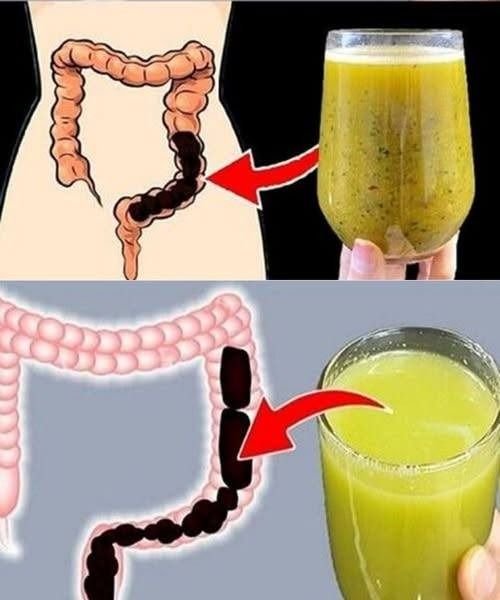
Lose Weight by “Cleansing Your Colon” in 7 Days — What Actually Works, What Doesn’t, and What You Should Know
A 7-day colon cleanse juice trend claims fast weight loss. Here’s what science says, what results are real, and safer ways to lose weight.
There’s something about “7-day transformations” that grabs attention instantly.
Lose weight fast.
Reset your body.
Cleanse your colon.
Feel lighter in a week.
It sounds simple, almost comforting — like your body just needs a quick internal “reset button” and everything will fall back into place.
And one of the most popular versions of this idea is the colon cleanse juice trend — a 7-day plan promising noticeable weight loss, improved digestion, and a “detoxified” body.
But here’s the part most viral posts don’t tell you:
Your body already has a built-in detox system that works 24/7 — and it doesn’t need juice cleanses to function.
So what actually happens during these 7-day colon cleanse routines? And why do people sometimes see quick changes on the scale?
Let’s break it down without hype, fear, or confusion.
What a “Colon Cleanse Juice Diet” Claims to Do
Most viral cleanse plans follow a similar pattern:
For 7 days, you consume only:
- Fruit juices
- Vegetable juices
- Lemon water
- Herbal drinks
- Sometimes laxative teas or supplements
And the promises often include:
- Rapid weight loss in one week
- “Flushing toxins” from the colon
- Improved skin clarity
- Reduced bloating
- Increased energy
The idea sounds appealing because it suggests your body is holding onto “waste” that needs to be flushed out.
But medically, that concept is misleading.
Your Colon Doesn’t Need “Cleaning” Like a Pipe
Your colon is not a clogged drain.
It’s part of a highly efficient system that already removes waste naturally.
The Digestive System includes organs like the stomach, small intestine, and large intestine (colon), all working together to:
- Break down food
- Absorb nutrients
- Eliminate waste through bowel movements
Your liver and kidneys handle detoxification continuously.
That means:
- No juice
- No tea
- No cleanse program
is required for “detoxing” your colon in a healthy person.
When everything is functioning normally, your body does this job automatically.
Why People Lose Weight Quickly on Juice Cleanses
This is where things get interesting — and often misunderstood.
Yes, people often lose weight in 7-day juice cleanses.
But the reason is usually not fat loss.
Instead, it comes from:
1. Water Weight Loss
When you reduce calories and carbohydrates, your body uses stored glycogen.
Glycogen holds water.
So when it drops, you lose water weight quickly.
2. Reduced Food Volume
You’re consuming far less solid food, so your digestive system contains less physical mass.
3. Calorie Deficit
Juice cleanses are usually very low in calories, which leads to short-term weight loss.
4. Bowel Movement Changes
Lower fiber balance or laxative use can change digestion temporarily.
So the scale may drop fast — but this does not reflect long-term fat loss.
The Truth About “Detox” Claims
The word “detox” is one of the most overused terms in wellness marketing.
In reality:
- Your liver detoxifies chemicals
- Your kidneys filter waste
- Your digestive system removes food waste
- Your skin and lungs also play minor roles
A juice cleanse does not “activate” detoxification.
At best, it reduces calorie intake.
At worst, it removes essential nutrients your body actually needs.
What Actually Happens During a 7-Day Juice Cleanse
Let’s look at the real physiological timeline.
Day 1–2: Adjustment Phase
- Hunger increases
- Blood sugar fluctuations
- Mild fatigue
- Cravings begin
Day 3–4: Adaptation Phase
- Some people feel lighter
- Others feel weak or irritable
- Energy levels may drop
- Digestion slows due to low fiber variety
Day 5–7: Low-Energy Phase
- Reduced muscle glycogen
- Possible dizziness or fatigue
- Mood changes in some individuals
- Noticeable weight drop on scale (mostly water + food volume)
After returning to normal eating:
- Some weight is regained quickly
- Digestion normalizes again
This cycle is why many people feel they “lost weight and gained it back fast.”
The Risks People Often Ignore
While juice cleanses may sound harmless, they can create real issues if done improperly or frequently.
Nutrient Deficiency
Juices lack:
- Protein
- Healthy fats
- Essential amino acids
Blood Sugar Spikes
Fruit-heavy juices can cause rapid glucose changes.
Muscle Loss
Low protein intake can lead to muscle breakdown.
Fatigue and Irritability
Low calorie intake affects energy and mood.
Digestive Disruption
Sudden dietary changes can affect bowel regularity.
Why the “Cleanse Feeling” Is Misleading
Many people report feeling:
- Lighter
- Less bloated
- More “clear-headed”
But this is often due to:
- Reduced processed food intake
- Lower salt consumption
- Fewer heavy meals
- Increased hydration
These are positive changes — but they don’t require a restrictive cleanse.
You can achieve the same effects with a balanced diet.
A Better Approach to Real Fat Loss
If your goal is sustainable weight loss, science is much clearer than juice trends.
Healthy weight loss typically involves:
- Moderate calorie deficit
- Protein-rich diet
- Fiber intake
- Strength training
- Consistent sleep
- Hydration
According to the Centers for Disease Control and Prevention, gradual weight loss of about 1–2 pounds per week is considered safe and sustainable.
That approach:
- Preserves muscle
- Supports metabolism
- Improves long-term results
Comparison: Juice Cleanse vs Healthy Weight Loss
| Juice Cleanse (7 Days) | Sustainable Approach |
|---|---|
| Rapid water weight loss | Gradual fat loss |
| Low protein intake | Balanced nutrition |
| Short-term results | Long-term success |
| Fatigue possible | Stable energy |
| High rebound risk | Maintained progress |
The Psychology Behind Juice Cleanse Popularity
Why do these diets keep going viral?
Because they offer:
- Instant action
- Simple rules
- Fast visible results
- A sense of “reset”
Humans are naturally drawn to:
- Quick fixes
- Clear structure
- Immediate feedback
But biology doesn’t respond well to extreme shortcuts.
A Real-Life Scenario
Imagine two people:
Person A: 7-Day Juice Cleanse
- Loses 5–8 pounds quickly
- Feels tired mid-week
- Regains some weight after returning to normal food
Person B: Balanced Diet + Exercise
- Loses 1–2 pounds per week
- Maintains energy
- Builds muscle
- Keeps results long-term
After two months:
Person B often looks and feels more consistently healthy.
That’s the difference between speed and sustainability.
What Your Body Actually Needs Instead of a “Cleanse”
Your body thrives on:
- Whole foods
- Adequate protein
- Fiber-rich vegetables
- Healthy fats
- Hydration
- Regular movement
These support natural digestive function far better than restrictive juice diets.
Common Mistakes People Make With Detox Diets
Believing “Toxins” Are Stored in the Colon
Your body doesn’t store unspecified toxins in your intestines.
Overusing Juice as a Meal Replacement
This leads to nutrient gaps.
Expecting Permanent Weight Loss in One Week
Real fat loss takes time.
Ignoring Muscle Loss
Scale weight isn’t the same as fat loss.
Healthier Alternatives to a Juice Cleanse
If you want a “reset feeling” without risks:
- Replace processed foods with whole foods for 7 days
- Increase vegetables and fruits in solid form
- Drink more water
- Reduce added sugar
- Eat lighter dinners
- Walk daily
These changes create similar benefits — without extreme restriction.
Frequently Asked Questions
Do colon cleanse diets actually remove toxins?
No. Your liver and kidneys handle detoxification naturally.
Is juice cleansing safe for weight loss?
Short-term use may be safe for some people, but it is not a sustainable or balanced weight loss method.
Why do I lose weight so fast on a juice cleanse?
Mostly water loss, reduced food intake, and lower glycogen stores — not fat loss.
Can a juice cleanse improve digestion?
Temporary changes in food intake may reduce bloating, but long-term digestive health depends on fiber and balanced nutrition.
Do I need to “cleanse” my colon?
No. A healthy digestive system does this automatically.
Can juice cleanses damage metabolism?
Very low-calorie diets can slow metabolism temporarily if repeated frequently.
What is the safest way to lose weight?
A balanced diet with moderate calorie reduction, exercise, and adequate protein intake.
Are detox teas better than juice cleanses?
Not necessarily. Many contain laxatives, which do not support healthy weight loss.
How fast should I aim to lose weight?
Around 1–2 pounds per week is considered safe by health authorities.
What should I do instead of a cleanse?
Focus on whole foods, hydration, fiber, and consistent healthy habits.
Action Checklist: Smarter Weight Loss Approach
Do This
✔ Eat balanced meals with protein and fiber
✔ Stay hydrated with water
✔ Include regular physical activity
✔ Prioritize sleep
✔ Make gradual lifestyle changes
Avoid This
✘ Extreme juice-only diets
✘ “Detox” product dependence
✘ Crash dieting
✘ Expecting instant fat loss
✘ Ignoring nutrient needs
The idea of losing weight in 7 days through a colon cleanse juice plan is appealing — but it’s mostly driven by short-term water loss and calorie restriction, not real fat reduction or detoxification.
Your body already has a highly efficient system for removing waste. What it doesn’t need is extreme restriction or viral cleanse trends.
Real, lasting weight loss comes from consistency, not shortcuts.
Juice cleanses may create quick scale changes, but sustainable weight loss comes from balanced nutrition, not colon “cleansing” diets.