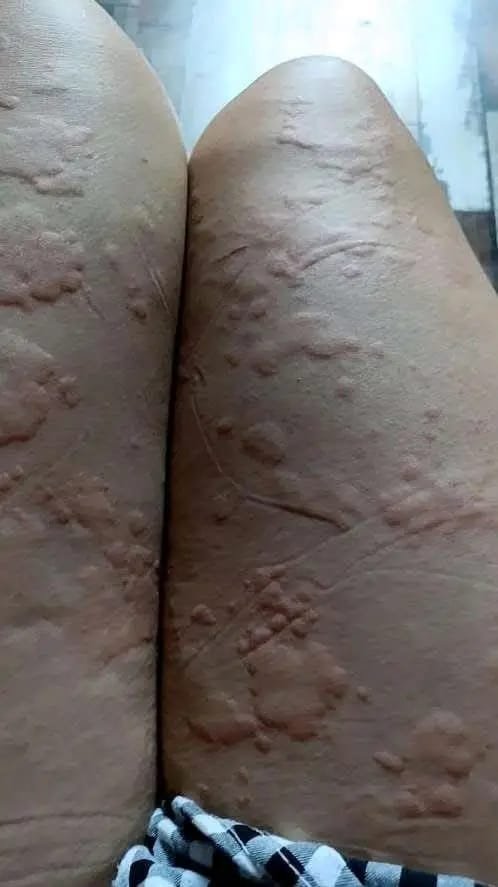
Red Patches on Skin + Breathing Difficulty: A Warning Sign You Should Never Ignore
Red skin patches with breathing difficulty may signal a serious allergic reaction. Learn causes, symptoms, and when to seek emergency care.
When Your Skin and Breathing Both Send Signals
It often starts suddenly.
You notice red patches spreading across your skin—itchy, warm, maybe slightly swollen. At first, it feels like a simple rash.
But then something else happens.
Your breathing feels tight.
Your chest feels heavy.
Air doesn’t come as easily as it should.
At that moment, this is no longer “just a skin issue.”
It could be a medical emergency.
The Most Likely Cause: Anaphylaxis
When red patches on the skin appear alongside breathing difficulty, one of the most serious possibilities is:
👉 Anaphylaxis
This is a rapid, life-threatening allergic reaction that can affect multiple systems in your body at once.
What Happens During Anaphylaxis?
Anaphylaxis occurs when your immune system overreacts to a trigger.
Common triggers in the United States include:
- Peanuts or tree nuts
- Shellfish
- Medications (like antibiotics)
- Insect stings (bees, wasps)
- Latex
Your body releases chemicals that cause:
- Blood vessels to widen
- Airways to narrow
- Skin reactions like hives or red patches
Key Symptoms to Watch For
If you notice red patches plus any of the following, act immediately:
Skin Symptoms
- Red, blotchy patches
- Hives or itching
- Swelling (especially face, lips, or throat)
Breathing Symptoms
- Shortness of breath
- Wheezing
- Tight chest
- Difficulty swallowing
Other Warning Signs
- Dizziness or fainting
- Rapid pulse
- Nausea or vomiting
Why This Combination Is Dangerous
Skin issues alone are often mild.
Breathing issues alone can have many causes.
But together, they strongly suggest a systemic reaction—meaning your entire body is involved.
This is what makes anaphylaxis so dangerous.
It can escalate within minutes.
What To Do Immediately (Step-by-Step)
If you or someone else has these symptoms:
1. Call Emergency Services (911 in the U.S.)
Do not wait to “see if it improves.”
2. Use an Epinephrine Auto-Injector If Available
Devices like EpiPen can stop the reaction temporarily.
3. Lie Down and Elevate Legs
This helps maintain blood flow.
4. Avoid Giving Food or Drink
Especially if swallowing is difficult.
5. Stay With the Person
Monitor breathing and consciousness until help arrives.
Other Possible Causes (Less Common but Important)
While anaphylaxis is the most urgent concern, other conditions may also cause similar symptoms:
👉 Severe Asthma Attack
Can cause breathing difficulty, sometimes with skin flushing.
👉 Urticaria
Red patches or hives, but usually without severe breathing issues unless linked to allergies.
👉 Angioedema
Swelling under the skin, often around the face and throat, which can affect breathing.
Real-Life Scenario (U.S. Context)
A college student in Texas eats at a new restaurant.
Within minutes:
- Red patches appear on their arms
- Lips begin to swell
- Breathing becomes difficult
Luckily, a friend recognizes the signs and uses an EpiPen before calling 911.
Doctors later confirm anaphylaxis triggered by a nut allergy.
Quick action saved their life.
Common Mistakes That Can Be Fatal
❌ Ignoring Early Skin Symptoms
People often dismiss rashes as harmless.
❌ Waiting Too Long
Anaphylaxis can worsen rapidly.
❌ Not Carrying Emergency Medication
If you have known allergies, this is critical.
❌ Assuming It’s “Just Anxiety”
Breathing difficulty should always be taken seriously.
Expert Insight: Why Cases Are Increasing
In the U.S., allergic conditions have been rising due to factors like:
- Dietary changes
- Environmental exposure
- Increased awareness and diagnosis
Health organizations like the American College of Allergy, Asthma & Immunology emphasize early recognition and preparedness.
Prevention Strategies
If you’re at risk:
- Get tested for allergies
- Always read food labels
- Carry an epinephrine auto-injector
- Inform friends and family
- Wear a medical alert bracelet
FAQs (People Also Ask)
1. Are red patches always serious?
No, but combined with breathing issues, they can be dangerous.
2. How fast does anaphylaxis happen?
It can occur within minutes.
3. Can it go away on its own?
Sometimes symptoms improve, but it can return suddenly.
4. Is an EpiPen enough treatment?
It’s temporary—medical care is still required.
5. Can first-time reactions be severe?
Yes, even without prior history.
6. What does anaphylaxis feel like?
A mix of skin reaction, breathing difficulty, and body-wide distress.
7. Can stress cause similar symptoms?
Stress can affect breathing, but not typically with widespread hives.
8. Is this common in children?
Yes, especially with food allergies.
9. Should I go to ER after using EpiPen?
Always.
10. Can it happen during sleep?
Yes, though less common.
Action Checklist
- Recognize red patches + breathing difficulty as urgent
- Call 911 immediately
- Use epinephrine if available
- Stay calm and monitor symptoms
- Seek medical care even if symptoms improve
If you ever experience red patches on your skin along with breathing difficulty, treat it as:
👉 A possible case of anaphylaxis
And act fast.
Final Thoughts
Your body rarely sends multiple warning signals at once without a reason.
When skin and breathing symptoms appear together, it’s not something to ignore or “wait out.”
It’s something to respond to—immediately.
If this guide helped you understand the warning signs, consider sharing it.
You never know—it might help someone recognize a life-threatening situation in time.