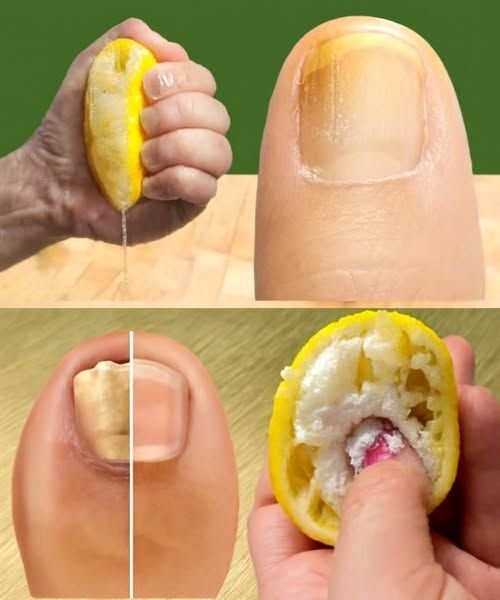
Toenail Fungus? These Natural Remedies May Help — What Actually Works (and What Doesn’t)
Looking for natural toenail fungus treatments? Discover remedies that may help improve nail fungus safely, plus common mistakes and when to see a doctor.
It usually starts small.
A tiny yellow spot near the edge of the toenail. Maybe a little thickening. Slight discoloration you assume came from tight shoes, aging, or nail polish.
Then months pass.
The nail becomes brittle.
Harder to trim.
Darker.
Thicker.
Sometimes oddly crumbly.
And suddenly you’re Googling:
“Natural toenail fungus treatment.”
Not because it’s life-threatening — but because toenail fungus is frustratingly stubborn, embarrassing for many people, and notoriously slow to improve.
The internet promises miracle cures constantly:
- Vinegar soaks
- Garlic paste
- Hydrogen peroxide
- Essential oils
- Baking soda
- “One weird trick” videos
Some natural approaches may genuinely help support improvement in mild cases.
Others are wildly exaggerated.
And that’s where people get stuck:
trying everything while the infection quietly spreads underneath the nail.
Here’s what actually matters when it comes to natural toenail fungus care, what science says, and the biggest mistakes people make while trying to treat it at home.
What Toenail Fungus Actually Is
Toenail fungus — medically called onychomycosis — is a fungal infection that affects the nail bed, nail plate, or surrounding tissue.
It commonly causes:
- Yellowing
- Thickened nails
- Brittleness
- Cracking
- White patches
- Distorted nail shape
- Debris under the nail
- Odor sometimes
Fungi thrive in:
- Warm environments
- Moisture
- Sweat
- Tight shoes
- Locker rooms
- Damp socks
That’s one reason toenail fungus is extremely common in the United States, especially among:
- Older adults
- Athletes
- People with diabetes
- Individuals with circulation issues
- Those who frequently wear closed shoes
And unfortunately, once fungus settles under the nail, it becomes difficult to eliminate quickly.
The Truth About “100% Natural Cure” Claims
Let’s clear something up immediately:
There is no guaranteed overnight natural cure for toenail fungus.
Anyone promising:
- “Instant fungus removal”
- “Kills fungus forever in one use”
- “100% cure guaranteed”
…is overselling reality.
Toenails grow slowly.
Even if treatment works, visible improvement often takes:
- Several months
- Sometimes up to a year
That’s because healthy nail must gradually replace damaged nail over time.
Patience matters more than miracle claims.
Natural Remedies That May Help Mild Toenail Fungus
Some natural approaches show limited but interesting evidence for supporting mild fungal improvement.
The key word is support.
1. Tea Tree Oil
Tea tree oil is one of the most researched natural antifungal remedies.
Some studies suggest it may help reduce fungal growth due to its antimicrobial properties.
How people use it:
- Diluted application to affected nail
- Once or twice daily
Potential benefits:
- May reduce surface fungus
- Easy to apply
- Widely available
Limitations:
- Can irritate skin
- Results vary significantly
- Often less effective in severe infections
2. Vicks VapoRub
Oddly enough, this became popular after small studies and anecdotal reports suggested some improvement in fungal appearance.
Ingredients like:
- Menthol
- Camphor
- Eucalyptus oil
may create an environment less favorable for fungal growth.
It’s not a guaranteed cure, but some people notice:
- Reduced discoloration
- Softer nails
- Gradual cosmetic improvement
3. Vinegar Soaks
Vinegar creates an acidic environment that may make fungal survival more difficult.
Typical approach:
- One part vinegar
- Two parts warm water
- Soak 10–20 minutes daily
Evidence is limited, but some people report mild improvement.
4. Snakeroot Extract
Less well-known in the U.S., snakeroot extract comes from certain sunflower-family plants and has shown antifungal potential in some studies.
However, availability is more limited compared to tea tree oil.
The Biggest Mistake People Make
They treat only the nail.
Toenail fungus often survives in:
- Shoes
- Socks
- Nail clippers
- Shower floors
- Moist environments
Which means reinfection becomes common.
You can apply remedies perfectly while unknowingly exposing your feet to fungus repeatedly.
That’s why prevention habits matter enormously.
What Actually Helps Prevent Toenail Fungus From Returning
Keep Feet Dry
Fungus loves moisture.
Change Socks Regularly
Especially after sweating.
Wear Breathable Shoes
Airflow matters more than many people realize.
Disinfect Nail Tools
Never share clippers or files.
Use Flip-Flops in Public Showers
Gym floors and locker rooms are common transmission points.
Trim Nails Properly
Short, clean nails reduce fungal buildup opportunities.
Why Toenail Fungus Becomes More Common With Age
Aging increases risk due to:
- Slower nail growth
- Reduced circulation
- Thickened nails
- Longer fungal exposure over time
This is one reason older adults often struggle with persistent fungal infections more than younger individuals.
Real-World Scenario: Why “Natural” Worked Better for Him
James, a 52-year-old contractor from Arizona, ignored his toenail fungus for years because it didn’t hurt.
Eventually, the nail became thick enough to snag socks and cause discomfort in work boots.
He tried aggressive internet remedies first:
- Bleach
- Undiluted essential oils
- DIY scraping methods
None helped much.
What finally improved the situation wasn’t one miracle treatment.
It was consistency:
- Daily nail care
- Tea tree oil application
- Keeping feet dry
- Rotating shoes
- Replacing old socks
- Seeing a podiatrist when improvement stalled
After several months, healthier nail growth gradually appeared.
Not instantly.
Gradually.
That’s usually how real improvement happens.
Signs Your Toenail Problem May Not Actually Be Fungus
This surprises many people.
Not every thick or discolored nail is fungal.
Conditions that may resemble fungus include:
- Psoriasis
- Nail trauma
- Eczema
- Aging changes
- Bacterial infections
- Circulation problems
That’s why self-diagnosis sometimes delays proper treatment.
A podiatrist or dermatologist can confirm fungus through examination or testing if needed.
Natural Treatments vs Prescription Treatments
| Natural Approaches | Prescription Treatments |
|---|---|
| Often slower | Usually stronger |
| Lower risk of side effects | Possible medication risks |
| More affordable sometimes | Higher success rates in severe cases |
| Best for mild cases | Better for advanced infections |
| Results vary widely | More clinically studied |
For severe fungus, prescription treatments often outperform home remedies.
Especially if:
- Multiple nails are affected
- Nails hurt
- Infection spreads
- Diabetes or circulation issues exist
Why Cutting the Nail Correctly Matters
Many people unknowingly worsen fungal problems by trimming incorrectly.
Helpful practices include:
- Cutting nails straight across
- Avoiding overly short trimming
- Filing thickened areas gently
- Keeping tools sanitized
Aggressive digging under the nail can damage tissue and increase infection risk.
The 2026 Trend: “Foot Health” Is Finally Becoming Mainstream
Foot health used to be largely ignored in wellness culture.
That’s changing rapidly.
Current trends include:
- Preventive foot care
- Minimalist breathable footwear
- Antifungal hygiene sprays
- Nail microbiome research
- Home laser devices
- Early fungal detection
People are realizing healthy feet influence:
- Mobility
- Comfort
- Athletic performance
- Confidence
- Overall quality of life
And honestly, it’s overdue.
What Dermatologists Wish More People Understood
Toenail fungus is stubborn because the infection lives beneath hard keratin layers.
That means:
- Surface treatments struggle to penetrate deeply
- Consistency matters enormously
- Improvement takes time
- Reinfection is common without prevention
This is why many people think treatments “don’t work” after only a few weeks.
Toenails simply grow very slowly.
Common Toenail Fungus Myths
“If the nail doesn’t hurt, it’s harmless.”
Not always. Fungus can worsen gradually over time.
“Natural means safe.”
Some essential oils and DIY treatments irritate or damage skin.
“You can scrape fungus away.”
The infection often extends beneath the visible nail surface.
“One treatment works for everyone.”
Fungal severity varies significantly.
Expert Insight: Consistency Beats Aggression
People often attack toenail fungus aggressively for one week… then stop entirely.
That rarely works.
Moderate consistent care over months usually produces better outcomes than intense short-term treatment.
Toenail recovery is a slow process biologically.
When You Should See a Doctor
Seek medical evaluation if:
- The nail becomes painful
- Multiple nails are affected
- You have diabetes
- Redness or swelling develops
- Walking becomes uncomfortable
- Home treatment fails after several months
- The nail detaches significantly
People with diabetes or circulation problems should be especially cautious about foot infections.
Frequently Asked Questions
Can toenail fungus go away naturally?
Mild cases sometimes improve with proper hygiene and consistent care, but many infections persist without treatment.
Does tea tree oil really work?
Some evidence suggests tea tree oil may help mild fungal infections, though results vary.
How long does natural treatment take?
Visible improvement often takes several months because toenails grow slowly.
Can vinegar kill toenail fungus?
Vinegar may create an environment less favorable to fungus, but evidence is limited.
Is toenail fungus contagious?
Yes. Fungus can spread through shared surfaces, shoes, socks, and nail tools.
Why does toenail fungus keep returning?
Moisture, contaminated footwear, and incomplete treatment often contribute to reinfection.
Can I wear nail polish with fungus?
It’s generally better to avoid trapping moisture under polish while treating the infection.
What color does fungal toenail usually become?
Common colors include yellow, white, brown, or cloudy discoloration.
Are prescription treatments stronger than natural remedies?
In many cases, yes — especially for severe or persistent infections.
Can fungus spread to other nails?
Absolutely. Untreated fungal infections can gradually spread.
Toenail Fungus Care Checklist
What To Do
✔ Keep feet dry
✔ Change socks daily
✔ Trim nails properly
✔ Disinfect nail tools
✔ Wear breathable shoes
✔ Use consistent treatment routines
✔ Monitor nail growth patiently
✔ See a doctor if symptoms worsen
What To Avoid
✘ Sharing nail clippers
✘ Walking barefoot in locker rooms
✘ Expecting overnight results
✘ Using harsh DIY chemicals
✘ Ignoring spreading infections
✘ Stopping treatment too early
Natural treatments for toenail fungus may help support improvement — especially in mild cases — but patience and consistency matter far more than miracle promises.
The internet loves dramatic “before and after” claims.
Real recovery is usually slower, less glamorous, and far more dependent on daily habits than people expect.
Healthy nails grow gradually.
And often, the most effective approach combines:
- Consistent hygiene
- Moisture control
- Realistic expectations
- Proper medical care when necessary
Because when it comes to stubborn fungal infections, steady progress usually beats aggressive shortcuts.
If you’ve dealt with toenail fungus yourself, share what helped most — or send this article to someone tired of wasting money on “instant cure” products that overpromise and underdeliver.