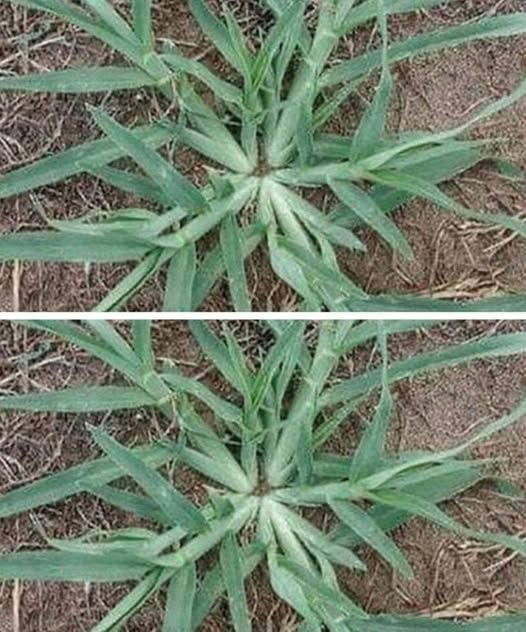
Never Uproot This Plant If It Appears in Your Garden: The Hidden Benefits Most People Don’t Know
Some common “weeds” in your garden may actually be highly beneficial plants. Discover why you should never remove certain plants and what they reveal about your soil and ecosystem.
Why This “Weed” Might Actually Be a Gift in Disguise
Most people see a plant growing unexpectedly in their garden and react the same way:
- Pull it out
- Throw it away
- Forget about it
But here’s something many gardeners in the United States and around the world are slowly realizing:
👉 Not every plant that appears uninvited is a problem. Some are actually natural indicators, soil healers, or beneficial herbs.
The idea that “everything unwanted must be removed” is slowly being replaced by a more modern approach:
Understand first. Remove only if necessary.
The Truth: Some Plants Tell You What Your Soil Needs
Certain wild plants—often called weeds—don’t grow randomly.
They appear because your soil is trying to communicate.
For example:
- Compacted soil
- Nutrient deficiency
- Overwatering or poor drainage
- Imbalanced pH levels
Some plants act like natural soil doctors, showing you exactly what’s happening underground.
The Plant People Often Regret Uprooting
One of the most commonly misunderstood garden plants is:
👉 Dandelion
While many homeowners see it as an unwanted weed, dandelions are actually one of the most useful wild plants you can have in your yard.
Let’s break down why experts often advise:
“Think twice before removing it completely.”
Why Dandelions Should NOT Always Be Removed
1. Deep Root Soil Aeration
Dandelion roots can grow deep into compact soil.
This helps:
- Break up hard soil layers
- Improve water absorption
- Increase oxygen flow to roots of other plants
In simple terms:
👉 They naturally “loosen” your soil.
2. Nutrient Recycling System
Dandelions pull nutrients from deep underground and bring them closer to the surface.
This benefits surrounding plants by:
- Redistributing minerals
- Improving soil balance over time
They act like natural nutrient recyclers.
3. Edible and Nutrient-Rich Plant
Surprisingly, dandelions are completely edible:
- Leaves (rich in vitamins A, C, K)
- Flowers (used in teas and syrups)
- Roots (used in herbal preparations)
They’ve been used in traditional diets for centuries.
4. Supports Pollinators Like Bees
Early in the season, dandelions are one of the first food sources for bees.
Removing them too early can reduce:
- Bee activity
- Pollination rates in your garden
This directly affects fruit and vegetable growth.
5. Natural Soil Indicator
Dandelions often grow in:
- Low calcium soil
- Compacted ground
- Disturbed land
So instead of being “bad,” they are actually diagnostic tools for your soil health.
Why People Rush to Remove Them Anyway
Despite their benefits, dandelions are still widely removed because:
- They spread quickly
- They don’t fit traditional lawn aesthetics
- They are labeled as “weeds”
But modern gardening experts are beginning to challenge that mindset.
Organizations like Harvard University and environmental researchers increasingly emphasize biodiversity in soil ecosystems and the importance of native plant awareness.
Pros and Cons of Keeping Dandelions in Your Garden
| Pros | Cons |
|---|---|
| Improves soil structure | Spreads quickly |
| Supports pollinators | Considered unattractive in lawns |
| Edible and useful plant | Competes with grass |
| Indicates soil health | Hard to fully control |
Common Mistakes Gardeners Make
❌ Treating all wild plants as harmful
Not every spontaneous plant is invasive or damaging.
❌ Using chemicals too quickly
Herbicides can damage beneficial soil organisms.
❌ Ignoring soil conditions
Removing plants without understanding why they appear leads to repeated growth.
❌ Prioritizing appearance over ecology
A perfect-looking lawn is not always a healthy ecosystem.
When You Should Still Remove It
While dandelions are useful, there are cases where removal makes sense:
- If they are overtaking delicate garden plants
- If you prefer a uniform lawn appearance
- If allergies are a concern
- If garden space is limited
Balance is key.
Better Alternatives Than Uprooting
Instead of removing them completely, you can:
- Mow before they seed
- Harvest leaves for salads or tea
- Designate a “wild corner” in your garden
- Control spread naturally without chemicals
2026 Gardening Trend: “Wild Gardening” Is Rising
Across the U.S. and globally, gardeners are shifting toward:
- Natural lawns
- Pollinator-friendly spaces
- Reduced chemical use
- Biodiversity-focused gardening
Publications like Forbes highlight that homeowners are increasingly embracing ecological landscaping over traditional perfection-based lawns.
What This Teaches Us About Nature
The biggest lesson is simple:
👉 Nature rarely grows without reason.
What looks like a “problem” may actually be:
- A signal
- A solution
- Or a support system for your garden
Understanding this changes how you see your outdoor space entirely.
Frequently Asked Questions
Is dandelion really a weed?
It depends on perspective—it’s both a wild plant and a useful herb.
Can I eat dandelions from my garden?
Yes, if they are not treated with chemicals.
Why do dandelions grow so fast?
They reproduce quickly through wind-dispersed seeds.
Are they harmful to grass?
They compete for space but don’t destroy lawns.
Should I remove them completely?
Not necessarily—controlled growth is often better.
Do bees really depend on them?
Yes, especially in early spring.
What does their presence indicate?
Often soil imbalance or compaction.
Are herbicides necessary?
Usually not—manual control is often enough.
Action Checklist
- ✔ Observe before removing wild plants
- ✔ Learn what your soil is indicating
- ✔ Consider ecological benefits
- ✔ Control rather than eliminate
- ✔ Support pollinators when possible
- ✔ Maintain balance in your garden
Not every plant that appears in your garden is a problem.
Some, like dandelions, are actually natural helpers—improving soil, supporting pollinators, and revealing hidden information about your environment.
Final Thought
A healthy garden isn’t about removing everything unwanted.
It’s about understanding what nature is trying to show you—and working with it, not against it.
If you’ve ever discovered a “weed” that turned out to be useful, share your experience. You might help others see their garden in a completely new way.