Omega-3 Fatty Acids: What They’re For, Why Your Body Needs Them, and the Best Foods to Get More Naturally
Learn what omega-3 fatty acids do, their health benefits, signs of deficiency, and the best food sources to add to your diet naturally.
There’s a reason omega-3 fatty acids show up in conversations about heart health, brain function, inflammation, skin, aging, and even mood.
They’re not just another wellness trend.
Omega-3s are essential fats your body literally cannot produce on its own in meaningful amounts. That means you have to get them from food or supplements — and many people in the United States aren’t getting enough.
The problem is, omega-3 advice online often feels confusing fast.
One article says eat salmon every week. Another pushes expensive supplements. Then someone on social media claims chia seeds are enough for everything. Somewhere in the middle, most people are left wondering:
What exactly do omega-3 fatty acids do?
And where should you actually get them from?
This guide breaks it down clearly — without hype, pseudoscience, or complicated nutrition jargon.
You’ll learn:
- What omega-3 fatty acids are
- Why they matter for overall health
- The different types of omega-3s
- Best food sources
- Signs you may not be getting enough
- Whether supplements are worth it
- Common mistakes people make
- What current nutrition science says in 2026
Because omega-3s affect far more than most people realize.
What Are Omega-3 Fatty Acids?
Omega-3 fatty acids are healthy polyunsaturated fats that play critical roles throughout the body.
They help support:
- Brain function
- Heart health
- Eye health
- Hormone signaling
- Cell membrane structure
- Inflammation regulation
Unlike some fats the body can manufacture, omega-3s are considered “essential,” meaning they must come from diet.
That’s why nutrition experts consistently emphasize them.
The 3 Main Types of Omega-3s
This is where people often get confused.
Not all omega-3s are identical.
1. EPA (Eicosapentaenoic Acid)
EPA is mainly found in fatty fish and seafood.
It’s strongly associated with:
- Heart health
- Inflammation reduction
- Mood support
EPA is one of the most researched omega-3s.
2. DHA (Docosahexaenoic Acid)
DHA is especially important for:
- Brain health
- Memory
- Vision
- Nervous system function
In fact, the brain contains high amounts of DHA.
Pregnant women are often advised to get adequate DHA because it supports fetal brain and eye development.
3. ALA (Alpha-Linolenic Acid)
ALA comes mostly from plant foods like:
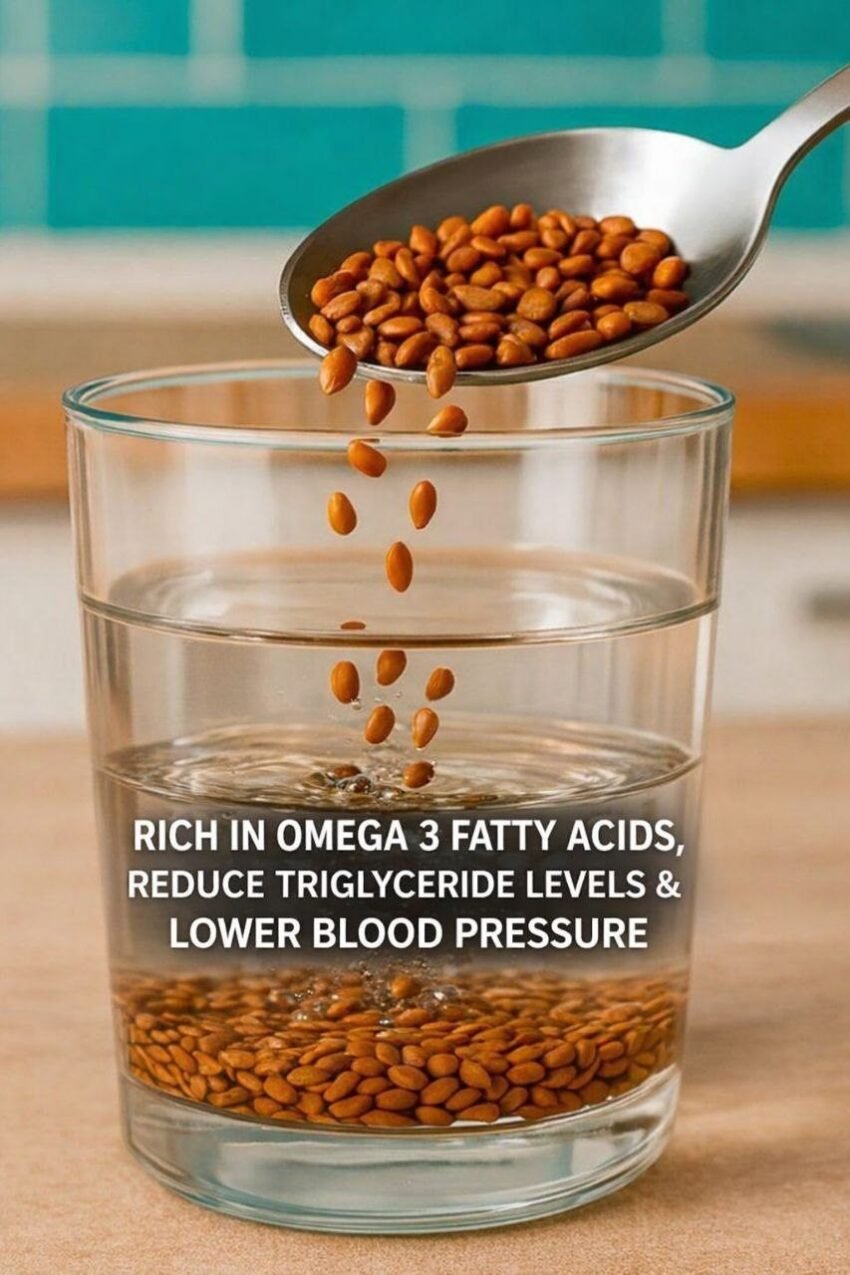
- Flaxseeds
- Chia seeds
- Walnuts
The body can convert some ALA into EPA and DHA, but the conversion rate is relatively low.
That detail matters.
Many people assume plant sources alone provide the same omega-3 benefits as fish, but biologically the process is more complicated.
What Are Omega-3 Fatty Acids Good For?
This is where omega-3s stand out.
They influence multiple systems in the body simultaneously.
Heart Health
Omega-3s are perhaps best known for supporting cardiovascular health.
Research has linked adequate omega-3 intake with:
- Lower triglyceride levels
- Improved blood vessel function
- Better heart rhythm stability
- Reduced inflammation
Organizations like the American Heart Association have long recommended eating fatty fish regularly as part of a heart-healthy diet.
Brain Function and Mental Clarity
The brain relies heavily on healthy fats.
DHA, in particular, is a structural component of brain tissue.
Some studies suggest omega-3s may help support:
- Memory
- Focus
- Cognitive aging
- Mood regulation
Researchers continue studying possible connections between omega-3 intake and mental health conditions, though results vary depending on the population and dosage.
Eye Health
DHA is highly concentrated in the retina.
Adequate omega-3 intake may help support:
- Vision maintenance
- Eye moisture
- Aging eye health
Inflammation Balance
Inflammation isn’t always bad — your body needs it for healing.
The issue is chronic inflammation that persists over time.
Omega-3s may help regulate inflammatory processes, which is one reason they’re frequently discussed in relation to joint comfort and overall wellness.
Skin Health
Many people notice improvements in:
- Dryness
- Skin barrier function
- General skin appearance
when they consistently consume omega-3-rich foods.
Pregnancy and Infant Development
Omega-3s, especially DHA, play an important role during pregnancy and early childhood development.
That’s why prenatal nutrition often includes DHA recommendations.
Best Food Sources of Omega-3 Fatty Acids
Food sources matter because the type and bioavailability of omega-3s differ significantly.
Here are the most effective natural sources.
Fatty Fish (Best Overall Sources)
These provide EPA and DHA directly.
Salmon
One of the richest and most popular omega-3 sources.
Benefits:
- High in EPA and DHA
- Rich in protein
- Versatile and widely available
Sardines
Small but nutritionally powerful.
Why nutrition experts like them:
- Extremely rich in omega-3s
- Lower mercury levels than larger fish
- Affordable
Mackerel
Very high in omega-3 content.
Best consumed in moderation due to sodium content in some packaged forms.
Herring
Popular in certain European diets and highly nutritious.
Trout
Another excellent source of healthy fats and protein.
Plant-Based Omega-3 Sources
These mainly provide ALA.
Chia Seeds
Tiny seeds with impressive nutrient density.
They also contain:
- Fiber
- Calcium
- Antioxidants
Flaxseeds
Ground flaxseed is easier for the body to absorb than whole flaxseed.
Many people add it to:
- Oatmeal
- Smoothies
- Yogurt
Walnuts
One of the easiest snack-based omega-3 sources.
Hemp Seeds
Provide healthy fats along with protein and minerals.
Other Sources
Omega-3 Enriched Eggs
Some eggs come from hens fed omega-3-rich diets.
Algae Oil
One of the best vegan sources of DHA.
This is particularly useful for people who avoid seafood entirely.
Omega-3 Food Comparison Table
| Food | Type of Omega-3 | Main Benefit |
|---|---|---|
| Salmon | EPA + DHA | Heart and brain health |
| Sardines | EPA + DHA | High omega-3 concentration |
| Chia seeds | ALA | Plant-based option |
| Flaxseeds | ALA | Fiber + healthy fats |
| Walnuts | ALA | Convenient snack source |
| Algae oil | DHA | Vegan DHA source |
| Trout | EPA + DHA | Protein + omega-3 balance |
Signs You May Not Be Getting Enough Omega-3s
Deficiency symptoms can overlap with many other issues, but low omega-3 intake may contribute to:
- Dry skin
- Brittle hair
- Fatigue
- Brain fog
- Poor concentration
- Joint discomfort
- Mood changes
That doesn’t mean omega-3s are a cure-all.
But nutrition absolutely affects how the body functions day to day.
How Much Omega-3 Do You Actually Need?
There’s no single universal recommendation that fits everyone perfectly.
Needs vary based on:
- Age
- Diet
- Pregnancy status
- Health conditions
- Fish intake
Many health organizations recommend eating fatty fish at least twice weekly.
People who rarely eat seafood often have lower EPA and DHA intake levels.
Are Omega-3 Supplements Worth Taking?
Sometimes yes.
Sometimes no.
It depends on diet quality and individual needs.
Supplements may help people who:
- Rarely eat fish
- Follow vegetarian or vegan diets
- Have increased nutritional demands
- Need physician-recommended triglyceride management
But supplements shouldn’t replace an overall healthy diet.
And more is not always better.
High doses may interact with certain medications, including blood thinners.
If someone has a medical condition or takes medication, it’s smart to discuss supplementation with a healthcare provider.
Fish Oil vs Krill Oil vs Algae Oil
This debate gets surprisingly intense online.
Here’s the practical breakdown.
Fish Oil
Most common and widely researched.
Pros:
- High EPA/DHA content
- Affordable
- Easy to find
Krill Oil
Marketed as highly absorbable.
Pros:
- Smaller capsules
- Contains antioxidants
Cons:
- Usually more expensive
Algae Oil
Plant-based DHA source.
Best for:
- Vegans
- Vegetarians
- People avoiding fish
Common Omega-3 Mistakes
Assuming All Fish Are High in Omega-3s
Lean fish like tilapia contain much lower amounts than salmon or sardines.
Taking Huge Supplement Doses Without Guidance
More isn’t automatically healthier.
Ignoring Overall Diet Quality
Omega-3s work best within a balanced diet, not as a “fix” for everything else.
Buying Poor-Quality Supplements
Some low-quality fish oils may oxidize or develop unpleasant aftertastes.
Third-party testing matters.
Omega-3 Trends in 2026
Nutrition trends are shifting toward:
- Personalized nutrition
- Sustainable seafood sourcing
- Plant-based DHA innovation
- Cleaner supplement formulations
Consumers are also becoming more aware of mercury concerns and environmental sustainability.
That’s increasing interest in algae-based omega-3 products.
Real-Life Scenario: Why Small Diet Changes Matter
Jason, a 42-year-old office manager from Texas, rarely ate seafood and relied heavily on fast food during busy workweeks.
After discussing diet improvements with his doctor, he started:
- Eating salmon twice weekly
- Adding walnuts to snacks
- Using ground flaxseed in breakfast smoothies
Within a few months, he noticed improvements in energy levels and overall eating habits — not because omega-3s magically changed his life overnight, but because those changes improved the quality of his diet overall.
That’s often how nutrition works in real life:
Small consistent habits matter more than dramatic “superfood” claims.
Frequently Asked Questions
What do omega-3 fatty acids actually do?
They support heart health, brain function, inflammation regulation, eye health, and cell structure throughout the body.
What foods are highest in omega-3s?
Fatty fish like salmon, sardines, mackerel, and herring are among the richest sources.
Are plant omega-3s enough?
Plant sources provide ALA, but the body converts only limited amounts into EPA and DHA.
Should I take omega-3 supplements daily?
Some people benefit from supplements, especially if they rarely consume fish, but individual needs vary.
Which omega-3 is best for the brain?
DHA plays a particularly important role in brain structure and function.
Can omega-3 help inflammation?
Research suggests omega-3s may help regulate inflammatory processes in the body.
Are omega-3 supplements safe?
Generally yes for many people, but high doses can interact with medications or medical conditions.
Is canned fish still healthy?
Yes. Many canned fish options, especially sardines and salmon, remain rich in omega-3s.
What’s better: fish oil or algae oil?
Fish oil provides EPA and DHA directly, while algae oil is an excellent vegan DHA alternative.
How quickly do omega-3 benefits appear?
Some effects may take weeks or months of consistent intake rather than days.
Omega-3 Action Checklist
What To Do
✔ Eat fatty fish regularly
✔ Add chia or flaxseeds to meals
✔ Snack on walnuts
✔ Choose high-quality supplements if needed
✔ Store fish oil properly
✔ Read supplement labels carefully
✔ Maintain a balanced overall diet
What To Avoid
✘ Assuming all fish contain high omega-3 levels
✘ Relying entirely on supplements
✘ Taking excessive doses unnecessarily
✘ Ignoring food quality overall
✘ Buying low-quality oxidized fish oil products
Final Thoughts
Omega-3 fatty acids aren’t magic — but they are genuinely important.
They support systems your body relies on every day, from the brain and heart to vision and inflammation balance.
And unlike flashy wellness trends that disappear after a few months, omega-3s remain consistently respected because the science behind them continues to hold up.
The encouraging part is that improving omega-3 intake usually doesn’t require extreme dieting.
Sometimes it’s as simple as:
- Eating more fatty fish
- Swapping snacks
- Adding seeds to breakfast
- Making a few smarter grocery choices consistently
Those small habits add up over time.
Omega-3 fatty acids help support heart, brain, eye, and overall health — and the best sources are fatty fish, seeds, nuts, and quality supplements when necessary.
If you found this guide useful, share it with someone trying to improve their diet or save it for your next grocery trip.