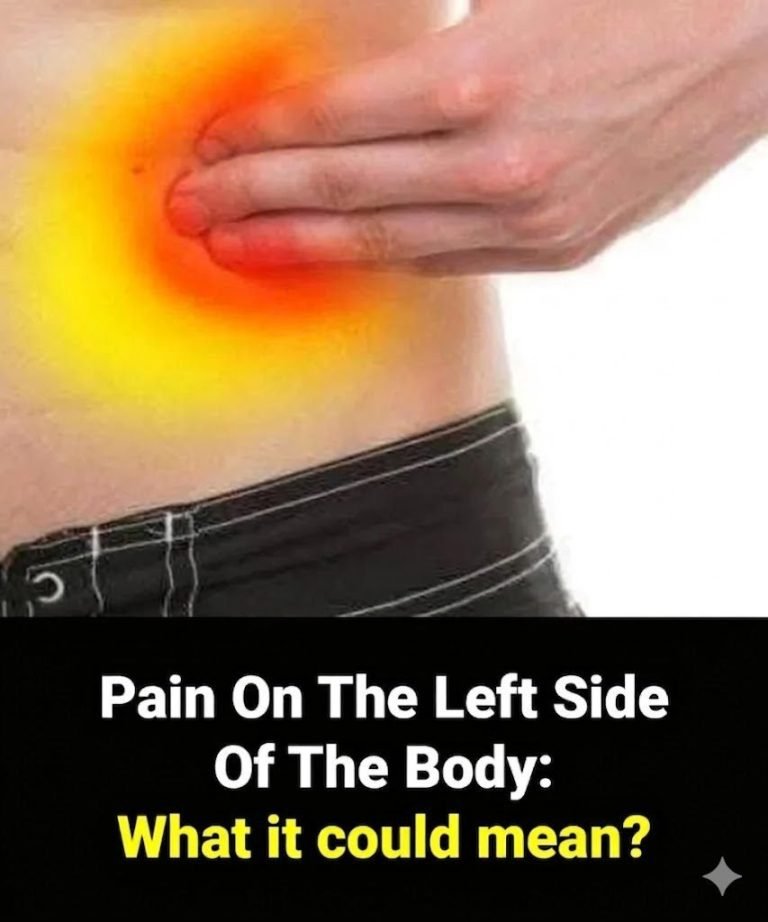
🔥 Pain on the Left Side of the Body: 17 Possible Causes You Should Never Ignore (2026 Guide)
Left-side body pain can signal anything from muscle strain to serious conditions. Learn the causes, warning signs, and when to seek help.
That sudden ache on your left side—whether it’s your chest, abdomen, back, or even your arm—can be unsettling. For many people, the first thought is the worst-case scenario: Is this something serious?
You’re not alone in that reaction. Left-sided pain has a unique psychological weight because it’s often associated with the heart and other vital organs. But here’s the truth: not all left-side pain is dangerous—yet some of it absolutely requires immediate attention.
This guide breaks down exactly what pain on the left side of the body could mean, how to interpret your symptoms, and what to do next. By the end, you’ll have clarity—not fear—and a practical way to respond.
📚 What Does Left-Side Pain Really Mean?
“Left side of the body” isn’t a single system—it’s a region that includes:
- Heart
- Left lung
- Stomach and spleen
- Pancreas
- Left kidney
- Colon
- Muscles and nerves
That’s why the same general symptom—pain—can have dramatically different causes.
The key is understanding:
- Where exactly the pain is
- What it feels like
- What other symptoms show up with it
⚠️ Why Left-Side Pain Matters More Than You Think
In the U.S., cardiovascular disease remains the leading cause of death, according to the CDC. That’s one reason left-side pain gets so much attention—it can be linked to the heart.
But here’s the nuance most articles miss:
- Ignoring mild symptoms can delay treatment
- Overreacting to harmless pain can create anxiety cycles
The goal isn’t panic—it’s informed awareness.
🔍 17 Possible Causes of Pain on the Left Side of the Body
Let’s break this down by category so you can identify patterns.
❤️ 1. Heart-Related Causes (High Priority)
Heart Attack (Myocardial Infarction)
- Pressure, tightness, or squeezing in chest
- Pain may spread to left arm, jaw, or back
- Often accompanied by sweating, nausea, shortness of breath
👉 Important: Not all heart attacks feel dramatic. Some feel like mild discomfort.
Angina
- Temporary chest pain due to reduced blood flow
- Often triggered by stress or exertion
🫁 2. Lung-Related Causes
Pleurisy
- Sharp pain when breathing
- Caused by inflammation of lung lining
Pneumonia
- Chest pain + fever + cough
- Can affect one side more than the other
🍽️ 3. Digestive System Issues
Gas and Bloating
- One of the most common (and overlooked) causes
- Pain can feel sharp or cramp-like
Acid Reflux (GERD)
- Burning sensation in chest
- Often mistaken for heart pain
Pancreatitis
- Severe pain radiating to the back
- Worse after eating
🧠 4. Nerve and Musculoskeletal Causes
Muscle Strain
- Localized pain
- Worse with movement
Pinched Nerve
- Sharp, radiating pain
- May include tingling or numbness
Costochondritis
- Inflammation of rib cartilage
- Pain when pressing chest area
🧬 5. Organ-Specific Causes
Spleen Issues
- Pain under left rib cage
- Could be enlarged or ruptured
Kidney Stones
- Severe flank pain
- May radiate toward groin
🧍 6. Lifestyle & Stress Factors
Anxiety or Panic Attacks
- Chest tightness
- Rapid heartbeat
- Shortness of breath
👉 Many ER visits for chest pain end up being anxiety-related—but that doesn’t mean you should assume it is.
🧭 How to Identify the Type of Pain
Here’s a practical breakdown:
| Pain Type | Likely Cause |
|---|---|
| Sharp, stabbing | Nerve, lung, or muscle |
| Dull ache | Organ-related |
| Burning | Acid reflux |
| Pressure/tightness | Heart-related |
| Cramping | Digestive issues |
🪜 Step-by-Step: What You Should Do When You Feel Left-Side Pain
Step 1: Pause and Assess
- Where exactly is the pain?
- How intense is it (1–10)?
Step 2: Check for Red Flags
Seek immediate help if you notice:
- Chest pressure
- Shortness of breath
- Pain spreading to arm/jaw
- Dizziness or fainting
Step 3: Track Duration
- Seconds/minutes → often less serious
- Persistent or worsening → needs evaluation
Step 4: Consider Recent Triggers
- Exercise?
- Heavy meal?
- Stress?
Step 5: Take Appropriate Action
- Mild → rest, hydration, monitor
- Severe or unclear → seek medical care
🧪 Real-World Scenario
Mark, a 42-year-old office worker in Texas, felt a dull ache on his left chest after lunch. He assumed it was indigestion.
Two days later, the pain returned—this time with slight arm discomfort. He decided to get checked.
It turned out to be early-stage heart disease, not a heart attack—but catching it early likely prevented one.
👉 The lesson: Patterns matter more than isolated incidents.
⚖️ Pros & Cons of Self-Monitoring Symptoms
✅ Pros
- Reduces unnecessary ER visits
- Builds body awareness
- Helps doctors with accurate info
❌ Cons
- Risk of underestimating serious issues
- Anxiety-driven misinterpretation
- Delayed treatment in critical cases
🚫 Common Mistakes (And How to Fix Them)
Mistake 1: Assuming It’s Always the Heart
✔️ Fix: Look at full symptom profile
Mistake 2: Ignoring Mild but Persistent Pain
✔️ Fix: Track frequency and patterns
Mistake 3: Googling Worst-Case Scenarios
✔️ Fix: Use structured, reliable information (like this guide)
🧠 Expert Insights Most People Miss
- Location alone isn’t enough — radiation and timing matter more
- Women often experience atypical heart symptoms (fatigue, nausea)
- Digestive issues can perfectly mimic cardiac pain
- Stress can physically manifest as real chest pain
Harvard Medical School emphasizes that distinguishing cardiac from non-cardiac chest pain often requires clinical evaluation—not guesswork.
📈 2026 Health Awareness Trends
- Increased use of wearable heart monitors
- AI-assisted symptom checkers (with improving accuracy)
- More awareness of silent heart attacks
- Growing emphasis on preventive cardiology
🔮 Future Outlook
Healthcare is shifting toward early detection and personalization. In the next few years, expect:
- Real-time diagnostics through smart devices
- More accurate at-home screening tools
- Faster ER triage using AI
But even with all this tech, your awareness remains the first line of defense.
❓ Frequently Asked Questions
1. Is left-side pain always related to the heart?
No. It can be muscular, digestive, or nerve-related. The heart is just one possibility.
2. When should I go to the ER?
If pain is severe, persistent, or accompanied by symptoms like shortness of breath, sweating, or arm/jaw pain.
3. Can anxiety really cause left-side chest pain?
Yes. Anxiety can mimic heart attack symptoms very closely.
4. What does sharp pain on the left side mean?
Often nerve or muscle-related, especially if it worsens with movement.
5. Can gas cause left-side pain?
Absolutely. Trapped gas can create intense discomfort that feels alarming.
6. How long is too long for pain to last?
Anything persistent beyond a few hours—or recurring over days—should be checked.
7. Is it safe to wait and monitor symptoms?
Only if symptoms are mild and there are no red flags.
8. Can exercise cause left-side pain?
Yes, especially muscle strain or overexertion.
9. Why does the pain come and go?
Intermittent pain often points to digestive or stress-related causes.
10. Should I take painkillers immediately?
Not without understanding the cause—especially for chest pain.
✅ Action Checklist
What To Do:
✔️ Pay attention to pain type and location
✔️ Monitor duration and patterns
✔️ Act quickly on warning signs
✔️ Keep a symptom journal if recurring
✔️ Consult a doctor when unsure
What To Avoid:
❌ Ignoring persistent discomfort
❌ Self-diagnosing serious symptoms
❌ Relying solely on internet searches
❌ Delaying care due to fear or cost
🏁 Conclusion
Pain on the left side of the body is one of those symptoms that sits at the intersection of harmless and serious. Sometimes it’s just a pulled muscle. Other times, it’s your body asking for urgent attention.
The difference isn’t luck—it’s awareness.
Understanding the patterns, recognizing the red flags, and responding appropriately can make all the difference—not just in peace of mind, but in long-term health.
Don’t panic—but don’t ignore it either. Listen to your body, trust patterns over assumptions, and act when it matters.
If you found this helpful, share it with someone who might need clarity—and explore more guides to stay informed and in control of your health.