Pinworms in Children: Why That Mysterious Nighttime Itching Happens (And How to Stop It Fast)
Learn what pinworms are, why kids itch at night, how to treat them safely, and simple steps to prevent reinfection at home.
Your child keeps waking up at night scratching… what’s really going on?
It usually starts the same way.
A child who sleeps fine suddenly becomes restless. Tossing. Turning. Complaining about itching—especially “back there.” Maybe they’re irritable during the day, tired, or just not themselves.
It’s easy to assume dry skin. Maybe allergies. Maybe nothing.
But there’s a very specific—and surprisingly common—cause behind nighttime itching in children:
Pinworms.
Before panic sets in, here’s the reality:
They’re uncomfortable, yes—but also very treatable.
And once you understand how they work, everything about the symptoms starts to make sense.
What Are Pinworms?
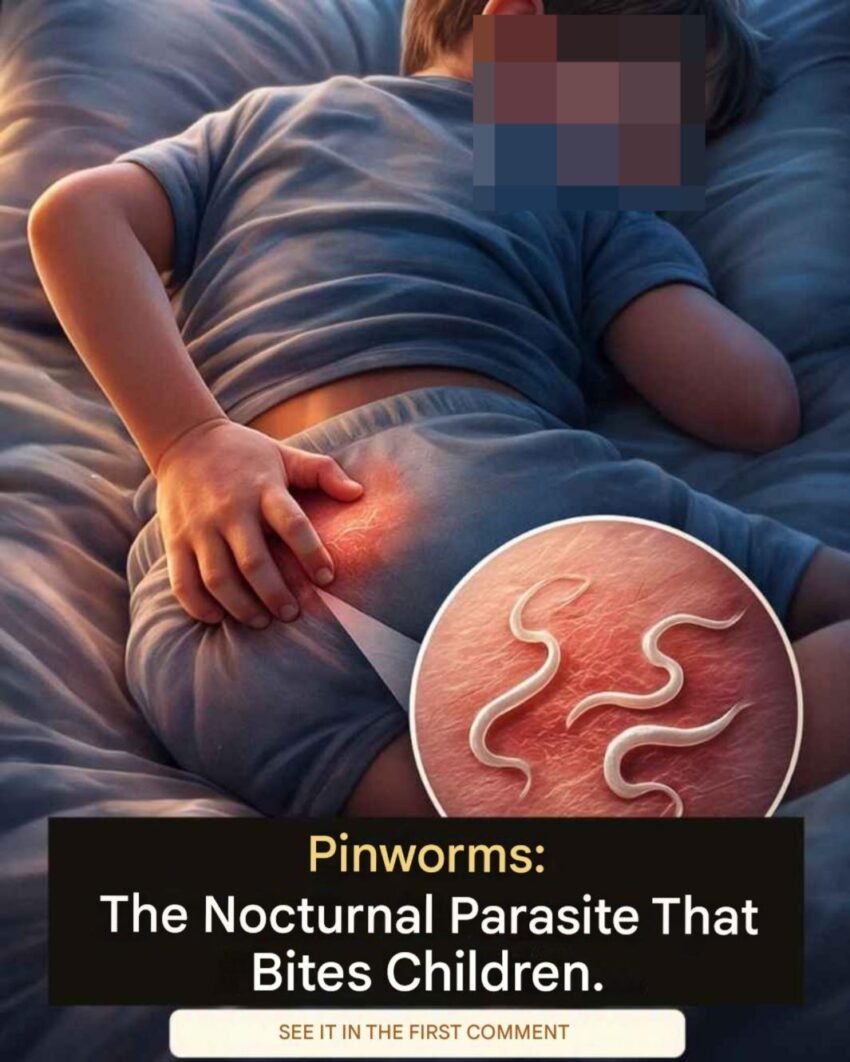
Pinworms are tiny, thin, white parasitic worms that live in the large intestine.
The medical name for this infection is Enterobiasis.
They’re incredibly common in children—especially those in:
- Daycare
- Preschool
- Elementary school
In fact, pinworms are one of the most common parasitic infections in the United States.
What Do They Look Like?
- About the size of a staple (¼–½ inch long)
- White and thread-like
- Sometimes visible around the anal area at night
Why Do Pinworms Cause Nighttime Itching?
This is the part most parents don’t realize—and it explains everything.
The Nighttime Cycle
While your child sleeps, female pinworms leave the intestine and move to the skin around the anus to lay eggs.
That process:
- Irritates the skin
- Triggers intense itching
- Happens mostly at night
Why nighttime?
Because the body is still, warm, and relaxed—ideal conditions for the worms to lay eggs.
The Real Cause of the Itch
It’s not the worms themselves—it’s the eggs and the sticky substance they release that irritates the skin.
That’s what wakes kids up.
How Do Children Get Pinworms?
Here’s where it gets frustrating.
Pinworms spread incredibly easily.
The Transmission Cycle
- A child scratches the itchy area
- Eggs get under their fingernails
- They touch:
- Toys
- Bedding
- Food
- Other people
- Eggs are swallowed (often unknowingly)
- New worms develop in the intestines
And the cycle repeats.
Common Sources
- Shared toys
- Classroom surfaces
- Bedding
- Poor hand hygiene (very common in kids)
Signs and Symptoms Parents Should Watch For
Nighttime itching is the big one—but not the only clue.
Most Common Symptoms
- Intense itching around the anus at night
- Restless sleep
- Irritability
- Frequent waking
- Grinding teeth (in some cases)
Less Common Signs
- Mild stomach discomfort
- Loss of appetite
- Vaginal irritation in girls (if worms spread)
When Symptoms Are Subtle
Some kids show almost no symptoms at all.
That’s why infections can spread before anyone notices.
How to Confirm Pinworms at Home
Doctors often recommend something called the “tape test.”
Step-by-Step: The Tape Test
- Do it first thing in the morning (before bathing or using the bathroom)
- Press a piece of clear tape against the skin around the anus
- Place the tape on a glass slide or clean surface
- Take it to your healthcare provider for examination
In some cases, you may even see the worms directly at night with a flashlight.
Treatment: How to Get Rid of Pinworms Safely
Here’s the good news:
Treatment is simple and effective.
Common Medications
Doctors usually prescribe or recommend over-the-counter medications like:
- Mebendazole
- Albendazole
- Pyrantel pamoate
How Treatment Works
- One dose kills the worms
- A second dose (2 weeks later) prevents reinfection
Important Rule Most People Miss
Everyone in the household should be treated at the same time.
Even if they don’t have symptoms.
Why?
Because pinworms spread silently.
Step-by-Step Home Action Plan
If you suspect pinworms, act quickly but calmly.
Day 1: Start Treatment
- Give medication as directed
- Treat all household members
Daily Hygiene Routine (Critical)
- Wash hands frequently (especially after bathroom use)
- Keep fingernails short
- Avoid nail biting
Laundry Protocol
- Wash:
- Bedding
- Pajamas
- Towels
Use hot water when possible.
Morning Habits
- Bathe your child in the morning to remove eggs
- Change underwear daily
Common Mistakes That Keep Pinworms Coming Back
Mistake #1: Skipping the Second Dose
Fix: Always repeat treatment after 2 weeks
Mistake #2: Only Treating the Infected Child
Fix: Treat everyone in the household
Mistake #3: Ignoring Hygiene
Medication alone isn’t enough.
Fix: Combine treatment with strict hygiene habits
Mistake #4: Not Washing Bedding Properly
Eggs can survive on fabrics.
Fix: Wash frequently during treatment period
Pros and Cons of Treatment Options
| Treatment | Pros | Cons |
|---|---|---|
| OTC medications | Easy access, effective | May require repeat dose |
| Prescription meds | Strong, reliable | Requires doctor visit |
| Natural remedies | Low risk | Not proven effective |
Expert Insights Most Parents Don’t Hear
1. Reinfection Is the Real Challenge
Getting rid of worms is easy.
Stopping the cycle? That’s the hard part.
2. Schools and Daycares Are Common Sources
Even if your home is spotless, exposure can happen outside.
3. It’s Not a Sign of Poor Hygiene
This matters.
Pinworms affect clean, well-cared-for children just as often.
2026 Update: What’s Changing in Treatment and Awareness
- Increased awareness in pediatric care
- Better OTC access to treatments
- More emphasis on household-wide prevention
Health organizations like the Centers for Disease Control and Prevention continue to stress hygiene as the most effective long-term defense.
Mini Case Scenario: A Typical Family Experience
A 6-year-old starts waking up at night, scratching constantly.
Parents assume it’s dry skin.
A week later, the child is exhausted, irritable.
Finally, they check at night—and see tiny white threads.
Diagnosis: pinworms.
They treat the child—but not themselves.
Two weeks later?
The itching is back.
Second attempt: entire household treated + strict hygiene.
Problem solved.
Frequently Asked Questions
1. Are pinworms dangerous?
No, they’re usually harmless—but uncomfortable.
2. Can adults get pinworms?
Yes. Anyone in close contact can get infected.
3. How long do pinworms last without treatment?
They can persist for weeks due to reinfection.
4. Do pets spread pinworms?
No. Pets don’t carry human pinworms.
5. Should I keep my child home from school?
Not necessarily, but start treatment immediately and inform the school if needed.
6. Can you see pinworms with the naked eye?
Yes—especially at night.
7. What kills pinworm eggs?
Hot water, proper hygiene, and thorough cleaning.
8. Is itching always a sign of pinworms?
No, but nighttime itching is a strong clue.
9. Can pinworms go away on their own?
Sometimes, but reinfection is common without treatment.
10. When should I see a doctor?
If symptoms persist after treatment or diagnosis is unclear.
Action Checklist: What to Do (and Avoid)
✅ Do This
- Treat all household members
- Repeat medication after 2 weeks
- Wash bedding and clothes frequently
- Keep nails short and clean
- Encourage frequent handwashing
❌ Avoid This
- Don’t skip the second dose
- Don’t assume only one child is infected
- Don’t ignore hygiene routines
- Don’t panic—this is very common and treatable
Conclusion: Solve the Itch, Break the Cycle
Pinworms are one of those problems that feel bigger than they are.
They disrupt sleep. They frustrate families. And they spread quietly.
But once you understand the cycle—and take the right steps—you can stop them quickly.
Consistency is what makes the difference.
Pinworms are common, treatable, and manageable. The key isn’t just medication—it’s breaking the reinfection cycle with smart, consistent hygiene.
If this helped you understand what’s going on, share it with another parent who might be dealing with the same thing—and explore more practical guides to keep your family healthy.