Scuppernong Grapes Explained: 9 Surprising Facts About the South’s Most Misunderstood Fruit
Discover what Scuppernong grapes really are, why they matter in the U.S., and how to identify, use, and enjoy this uniquely Southern fruit.
Ever seen these grapes and wondered what on earth they are?
You’re not alone.
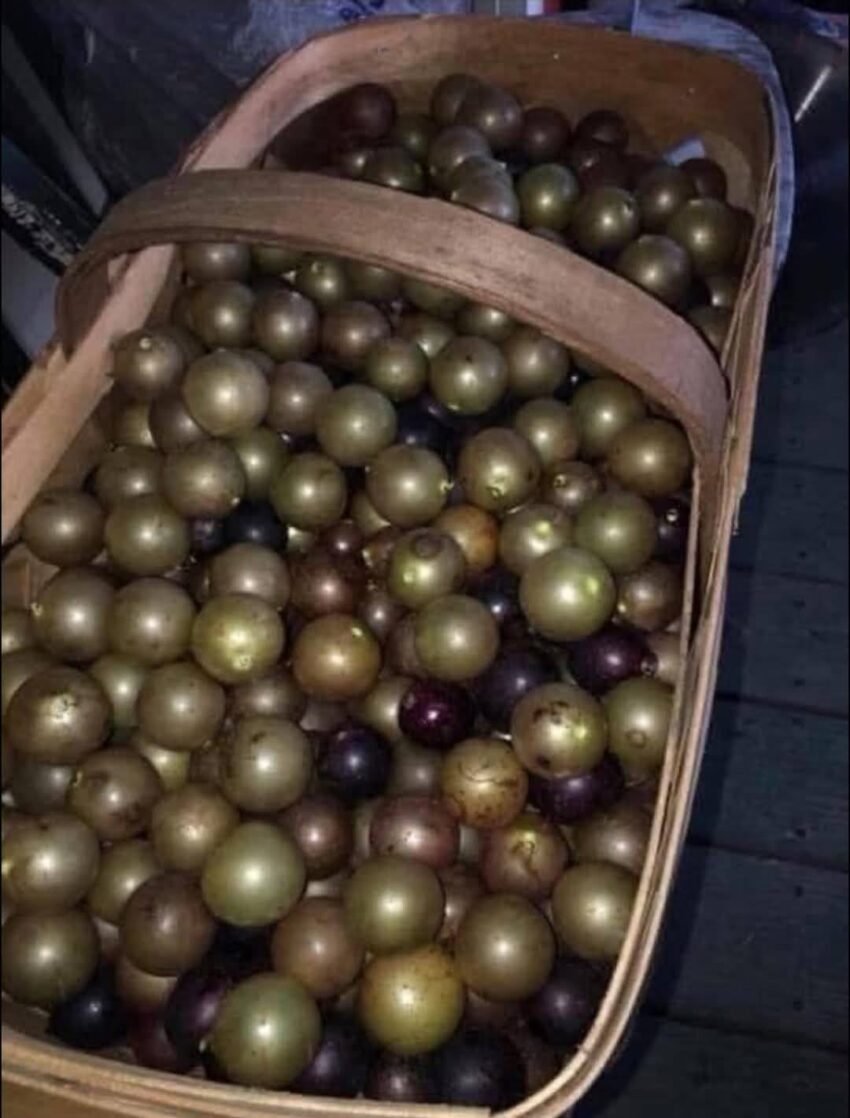
A photo pops up—golden, thick-skinned grapes in a basket—and the internet does its thing. Some say they’re wild grapes. Others think they’re unripe. A few guess they’re exotic imports.
They’re none of those.
What you’re actually looking at is something deeply rooted in American soil, history, and culture: Scuppernong grapes.
And once you understand what makes them different, you’ll never confuse them again.
This guide breaks down everything—what they are, why they matter, how to use them, and what most people get wrong.
What Are Scuppernong Grapes (Really)?
Scuppernong grapes are a variety of muscadine grapes, native to the Southeastern United States.
They’re typically:
- Bronze to golden in color
- Larger than standard grocery store grapes
- Thick-skinned
- Intensely aromatic
- Sweet with a slightly musky aftertaste
The name “Scuppernong” comes from the Scuppernong River in North Carolina, where these grapes were first cultivated.
Here’s the key distinction most people miss:
All Scuppernongs are muscadines—but not all muscadines are Scuppernongs.
Think of it like this:
| Category | Example |
|---|---|
| Species | Muscadine grapes |
| Variety | Scuppernong |
Why These Grapes Matter More Than You Think
At first glance, they’re just grapes.
But in the U.S.—especially in the South—they carry real weight.
1. They’re One of America’s First Cultivated Fruits
Long before California vineyards dominated the wine scene, muscadines were thriving in the Southeast.
They’re one of the few fruits truly native to the U.S., not imported from Europe.
2. Deep Cultural Roots
In states like North Carolina, Georgia, and South Carolina:
- Scuppernongs are used in family recipes passed down generations
- Local festivals celebrate harvest season
- Homemade wines and jellies are a point of pride
3. Nutritional Powerhouse
These grapes aren’t just flavorful—they’re loaded with:
- Antioxidants (particularly resveratrol)
- Fiber (thanks to thick skins)
- Vitamin C
Some studies referenced by institutions like Harvard highlight the potential benefits of polyphenol-rich foods like muscadines for heart health.
What Do Scuppernong Grapes Taste Like?
Here’s where opinions split.
Some people love them immediately.
Others… need a minute.
Flavor Profile
- Sweet, but not like table grapes
- Slightly tangy
- Earthy, almost “wild” undertone
- Strong aroma
Texture
- Thick skin (often popped open with teeth)
- Juicy pulp inside
- Large seeds
That thick skin throws a lot of first-timers off.
But it’s also what makes them perfect for cooking and preserving.
How to Identify Scuppernong Grapes Instantly
If you’re staring at a basket and trying to figure it out, look for these clues:
Visual Signs
- Golden, bronze, or light green color
- Round, slightly larger than standard grapes
- Matte finish (not glossy like supermarket grapes)
Physical Traits
- Firm, tough skin
- Strong fragrance—even before eating
Growing Pattern
Unlike bunch grapes:
- Muscadines grow in smaller clusters
- Sometimes appear almost individually spaced
How Are They Different From Regular Grapes?
This is where most confusion happens.
Here’s a clear breakdown:
| Feature | Scuppernong Grapes | Regular Grapes |
|---|---|---|
| Origin | Native to U.S. Southeast | Europe/Asia origins |
| Skin | Thick, tough | Thin, edible |
| Seeds | Large, present | Often seedless |
| Flavor | Musky, bold | Mild, sweet |
| Growth | Warm, humid climates | Wide adaptability |
| Uses | Wine, jelly, fresh eating | Mostly fresh eating |
How to Eat Scuppernong Grapes (Without Getting Confused)
First-time mistake?
Trying to eat them like regular grapes.
The Right Way
- Bite lightly into the grape
- Squeeze or “pop” the pulp into your mouth
- Spit out seeds if desired
- Eat or discard the skin (your choice)
Some people love the skin. Others don’t.
There’s no “correct” way—just preference.
5 Popular Ways Americans Use Scuppernong Grapes
1. Homemade Jelly
Arguably the most iconic use.
- Rich flavor
- Slight tartness balances sweetness
- Perfect on biscuits or toast
2. Southern-Style Wine
Scuppernong wine is:
- Sweet
- Aromatic
- Often homemade
It’s a staple in many Southern households.
3. Fresh Eating (Seasonal)
Peak season: late summer to early fall
Farmers markets in the Southeast often sell them fresh.
4. Desserts
Used in:
- Pies
- Tarts
- Preserves
5. Juice and Syrups
Thick, flavorful, and great for mixing.
Step-by-Step: How to Use Scuppernong Grapes at Home
If you’ve got a basket and no idea what to do next, start here.
Basic Preparation
- Rinse thoroughly
- Remove stems
- Inspect for softness or damage
Making Simple Scuppernong Juice
- Add grapes to a pot
- Mash lightly
- Simmer with water (10–15 minutes)
- Strain through a mesh sieve
- Sweeten to taste
That’s your base for:
- Jelly
- Syrup
- Drinks
Common Mistakes People Make (And How to Fix Them)
Mistake #1: Treating Them Like Table Grapes
Fix: Learn the “pop method” for eating
Mistake #2: Throwing Them Out Because of the Skin
Fix: Use them in cooking instead—skins add flavor
Mistake #3: Assuming They’re Unripe
That bronze color is natural.
Fix: Check softness and smell instead of color
Mistake #4: Ignoring Seasonality
They’re not year-round like supermarket grapes.
Fix: Buy in peak season for best flavor
Pros and Cons of Scuppernong Grapes
Pros
- Unique, rich flavor
- High in antioxidants
- Deep cultural significance
- Versatile for cooking
Cons
- Thick skin isn’t for everyone
- Seeds can be inconvenient
- Harder to find outside the Southeast
- Short seasonal window
Expert Insights Most People Don’t Know
1. The Skin Is Where Most Nutrients Live
If you skip the skin, you’re missing a big chunk of the health benefits.
2. They’re Extremely Heat-Resistant
Muscadines thrive in hot, humid climates where other grapes struggle.
That’s why they dominate the Southeast.
3. They Have Natural Disease Resistance
Unlike many commercial grapes, muscadines require fewer pesticides.
That’s a big deal for home growers.
2026 Trends: Why Scuppernong Grapes Are Making a Comeback
There’s a quiet shift happening.
What’s Driving It?
- Interest in native American foods
- Growth of farm-to-table culture
- Demand for less processed ingredients
Small farms and boutique wineries are bringing Scuppernongs back into the spotlight.
You’ll likely see more:
- Artisanal jams
- Small-batch wines
- Local sourcing in restaurants
Mini Case Scenario: The First-Time Buyer
A shopper at a North Carolina farmers market spots a basket of golden grapes.
They hesitate.
They’ve never seen grapes like that.
They ask the vendor.
“Scuppernongs,” the vendor says.
They buy a small batch, unsure.
At home, they bite in—confused by the thick skin.
They almost toss them.
Instead, they look it up.
They try the “pop method.”
Then they make a small batch of jelly.
A week later?
They’re back at the market buying more.
That’s how this fruit works—it grows on you.
Frequently Asked Questions
1. Are Scuppernong grapes the same as muscadine grapes?
No. Scuppernongs are a specific variety of muscadine grapes.
2. Can you eat the skin of Scuppernong grapes?
Yes, but it’s thicker than regular grapes. Some people eat it, others don’t.
3. Do Scuppernong grapes have seeds?
Yes, typically large seeds.
4. Where can I buy Scuppernong grapes?
Mostly in the Southeastern U.S., especially at farmers markets during late summer.
5. What do they taste like compared to regular grapes?
They’re sweeter, more aromatic, and have a slightly musky flavor.
6. Are Scuppernong grapes healthy?
Yes. They’re rich in antioxidants, fiber, and vitamin C.
7. Can you grow them at home?
Yes—especially in warm, humid climates like the Southeast.
8. What’s the best use for Scuppernong grapes?
Jelly and wine are the most popular uses.
9. Why are they called Scuppernongs?
They’re named after the Scuppernong River in North Carolina.
10. Do they need refrigeration?
Yes, but they’re best eaten fresh within a few days of harvesting.
Action Checklist: What to Do (and Avoid)
✅ Do This
- Try the “pop” method before judging the taste
- Use them for jelly if you don’t like the texture
- Buy during peak season
- Experiment with recipes
- Store them properly in the fridge
❌ Avoid This
- Don’t expect them to taste like regular grapes
- Don’t throw them away because of the skin
- Don’t assume color = ripeness
- Don’t overcook when making juice or jelly
Conclusion: Why These Grapes Deserve a Second Look
Scuppernong grapes aren’t trying to be like supermarket grapes.
They’re older, bolder, and rooted in something deeper—American agricultural history.
They challenge your expectations a little.
But if you give them a chance, they offer something most modern foods don’t:
Character.
Scuppernong grapes are a uniquely American fruit—rich in flavor, history, and versatility. Once you understand how to enjoy them, they’re hard to forget.
If you’ve tried them before—or just discovered them—share your experience. And if you’re curious about other hidden gems in American food culture, there’s plenty more worth exploring.