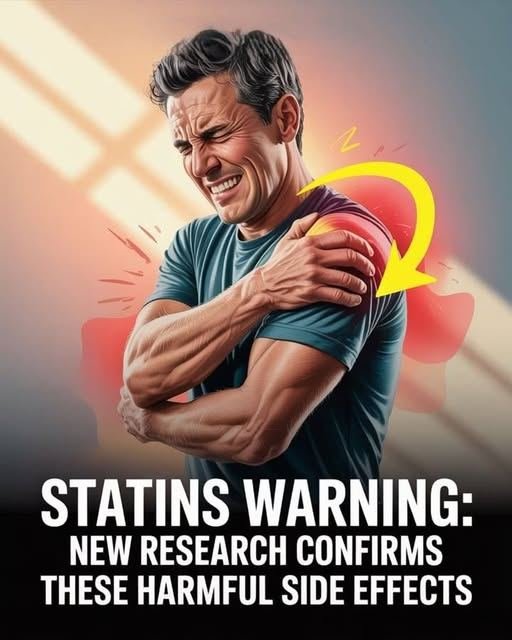
Statins Warning: What New Research Reveals About Potential Side Effects (And How to Use Them Safely)
New research sheds light on statin side effects. Learn the real risks, benefits, and how to take cholesterol medications safely.
The Medication Millions Trust — But Rarely Question
If you’re over 40 in the United States, there’s a good chance you—or someone close to you—has been prescribed a statin.
These medications are among the most commonly used drugs in the country, often recommended to lower cholesterol and reduce heart disease risk.
But recently, headlines have stirred concern:
“New research confirms harmful side effects.”
So what’s actually true?
Should you be worried?
Or is this another case of fear-driven misinformation?
Let’s cut through the noise and look at what doctors, researchers, and real-world evidence actually say—so you can make informed, confident decisions.
What Are Statins (And Why Are They Prescribed)?
Statins are medications designed to lower LDL cholesterol (“bad” cholesterol), which contributes to plaque buildup in arteries.
Common statins include:
- Atorvastatin
- Simvastatin
- Rosuvastatin
- Pravastatin
Why doctors prescribe them:
- Reduce risk of heart attack
- Lower stroke risk
- Prevent cardiovascular disease progression
In fact, statins have been shown to significantly reduce major cardiovascular events—especially in high-risk individuals.
Why This Topic Matters Right Now
Cardiovascular disease remains the leading cause of death in the United States.
At the same time:
- Millions take statins long-term
- Many patients report side effects
- Online misinformation is increasing
That combination creates confusion—and sometimes fear.
What New Research Is Actually Saying
Let’s clarify something upfront:
👉 Most recent research does not say statins are “dangerous for everyone.”
👉 It highlights specific risks, side effects, and patient differences.
Key findings from recent studies:
- Some patients experience muscle-related symptoms
- There may be a small increased risk of type 2 diabetes in certain groups
- Rare but serious side effects can occur
The takeaway?
Statins are effective—but not one-size-fits-all.
The Most Common Statin Side Effects (Explained Simply)
1. Muscle Pain or Weakness
This is the most reported issue.
What it feels like:
- Soreness
- Fatigue
- Weakness in legs or arms
Why it happens:
Statins may affect muscle cell energy production in some individuals.
2. Increased Blood Sugar Levels
Some studies show a slight increase in diabetes risk.
Important context:
- Risk is small
- Benefits often outweigh this risk in high-risk patients
3. Digestive Issues
Some people report:
- Nausea
- Bloating
- Constipation
Usually mild and temporary.
4. Liver Enzyme Changes
Statins can affect liver function markers.
Doctors often monitor this through routine blood tests.
Rare But Serious Side Effects
Though uncommon, these deserve attention.
1. Rhabdomyolysis (Very Rare)
A serious breakdown of muscle tissue.
Symptoms:
- Severe muscle pain
- Dark urine
- Weakness
Requires immediate medical attention.
2. Cognitive Effects (Debated)
Some patients report:
- Memory issues
- Brain fog
Research is mixed, and symptoms are often reversible.
Real-Life Scenario
A 55-year-old office worker in Florida:
- Prescribed a statin after high cholesterol diagnosis
- Experienced mild muscle soreness
- Stopped medication without consulting doctor
Result:
- Cholesterol spiked
- Cardiovascular risk increased
After adjusting dosage with a physician, symptoms improved—and protection returned.
Lesson: Don’t self-adjust medication.
Who Is More Likely to Experience Side Effects?
Higher risk groups include:
- Adults over 65
- People taking multiple medications
- Those with liver or kidney conditions
- Individuals on high-dose statins
The Benefits Most People Forget
Let’s balance the conversation.
Statins are not just “another pill.”
They have:
- Prevented millions of heart attacks
- Reduced stroke risk significantly
- Extended lives in high-risk populations
For many patients, they are life-saving.
Pros and Cons of Statins
Pros
- Strong evidence for cardiovascular protection
- Widely studied and understood
- Affordable and accessible
Cons
- Possible side effects
- Requires monitoring
- Not necessary for everyone
Common Mistakes Patients Make
1. Stopping Medication Suddenly
This can increase cardiovascular risk quickly.
2. Ignoring Symptoms
Side effects should be discussed—not dismissed.
3. Relying Only on Medication
Lifestyle still matters:
- Diet
- Exercise
- Weight management
4. Believing Online Myths
Not all “new research” is accurate or properly interpreted.
How to Take Statins Safely (Step-by-Step)
Step 1: Follow Prescribed Dosage
Don’t adjust without guidance.
Step 2: Monitor Your Body
Track any unusual symptoms.
Step 3: Get Regular Blood Tests
Check liver function and cholesterol levels.
Step 4: Improve Lifestyle
Combine statins with:
- Heart-healthy diet
- Physical activity
- Smoking cessation
Step 5: Communicate With Your Doctor
There are alternatives and dosage adjustments if needed.
Expert Insight Most People Don’t Hear
Doctors don’t just prescribe statins based on cholesterol numbers.
They evaluate:
- Overall cardiovascular risk
- Family history
- Lifestyle factors
That’s why two people with the same cholesterol level may get different recommendations.
2026 Trend: Personalized Heart Care
Healthcare is shifting toward:
- Individual risk assessments
- Tailored medication plans
- Genetic insights
Statins are becoming part of a more personalized strategy, not a blanket solution.
Frequently Asked Questions
1. Are statins dangerous?
For most people, they are safe and beneficial when used correctly.
2. Should I stop taking my statin?
No—always consult your doctor first.
3. Can side effects go away?
Yes, often with dosage adjustments or switching medications.
4. Do statins cause diabetes?
They may slightly increase risk in some individuals, but benefits often outweigh this.
5. Are natural alternatives better?
Not necessarily. Evidence for statins is much stronger.
6. Can I take statins long-term?
Yes—many people take them safely for years.
7. What’s the safest statin?
Depends on the individual—your doctor will decide.
8. Do I still need a healthy lifestyle?
Absolutely. Medication is only one part of the equation.
Action Checklist
- Take statins exactly as prescribed
- Watch for side effects
- Get routine checkups
- Maintain a heart-healthy lifestyle
- Never stop medication without medical advice
Statins are powerful—but they’re not perfect.
The real risk isn’t just side effects.
It’s misunderstanding how to use them.
Final Thoughts
Health decisions shouldn’t be driven by fear—or blind trust.
They should be based on clear information, medical guidance, and personal context.
If you’re taking statins or considering them, have an open conversation with your doctor.
And if this article helped clarify things, share it with someone who might be confused or concerned about their medication.