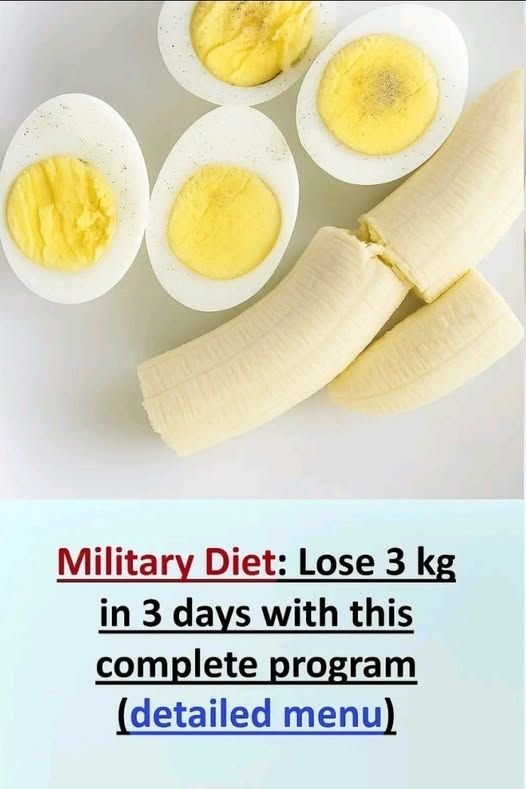
The Military Diet: Can You Really Lose Weight in 3 Days — or Is There More to the Story?
The Military Diet promises rapid weight loss in just 3 days, but does it actually work? Discover the science, risks, benefits, and truth behind the viral diet trend.
The Military Diet: Can You Really Lose Weight in 3 Days — or Is There More to the Story?
The promise sounds almost impossible.
Lose weight fast.
Just 3 days.
No expensive supplements.
No complicated meal plans.
No gym membership required.
That’s exactly why the Military Diet exploded online.
Across TikTok, YouTube, Facebook groups, and wellness blogs, people continue sharing dramatic before-and-after photos while claiming the plan helped them:
- drop pounds quickly
- flatten bloating
- “reset” their body
- fit into clothes fast
- prepare for events rapidly
And the name itself adds mystery.
“Military Diet.”
It sounds strict.
Disciplined.
Scientifically engineered.
Almost secretive.
But here’s the question most people never stop to ask:
Does the Military Diet actually work the way the internet claims?
Or is there something important hidden beneath the hype?
The answer is more nuanced than viral headlines suggest.
Because while many people do lose weight temporarily on the plan, the real story involves water weight, calorie restriction, metabolism, psychology, and sustainability.
And understanding that difference matters enormously.
What Is the Military Diet?
Despite the name, the Military Diet is not officially connected to any military organization.
There’s no confirmed evidence that:
- the U.S. military created it
- military nutritionists designed it
- soldiers widely follow it
The name appears mostly marketing-driven.
The diet itself is a short-term, low-calorie eating plan typically structured like this:
- 3 days of strict calorie restriction
- 4 days of less restrictive eating
- repeated weekly by some followers
Meals are highly specific and often include surprisingly ordinary foods such as:
- toast
- eggs
- tuna
- peanut butter
- bananas
- coffee
- crackers
- hot dogs
- ice cream
That combination alone makes people curious immediately.
Because it doesn’t resemble modern “clean eating” trends at all.
Why the Military Diet Became So Popular
The diet taps directly into several powerful psychological triggers:
- fast results
- simplicity
- structure
- low cost
- minimal decision-making
Most people don’t fail diets because they lack information.
They fail because:
- plans feel overwhelming
- motivation fluctuates
- life gets busy
- restrictions become exhausting
The Military Diet feels different because it appears:
- temporary
- manageable
- straightforward
Three days feels psychologically easier than “changing your life forever.”
That’s a major reason it spread so quickly.
Does the Military Diet Actually Cause Weight Loss?
Yes—many people lose weight initially.
But here’s the critical detail:
much of the early weight loss is often water weight, not pure body fat.
That distinction changes expectations significantly.
When calorie intake drops sharply, the body:
- uses stored glycogen
- releases associated water
- reduces digestive bulk temporarily
This creates rapid scale changes.
But rapid scale changes are not always long-term fat loss.
Why Rapid Weight Loss Feels So Motivating
Humans respond strongly to immediate feedback.
When the scale drops quickly, motivation spikes.
That emotional reinforcement keeps people engaged temporarily.
Even small visible changes:
- flatter stomach appearance
- less bloating
- tighter clothing fit
can feel dramatic psychologically.
The problem comes later when expectations become unrealistic.
The Biggest Secret Nobody Talks About
Here’s the part viral diet posts rarely explain clearly:
Extreme short-term calorie restriction is often difficult to sustain.
And sustainability matters more than intensity.
Many rapid diets create a cycle:
- Restriction
- Initial weight loss
- Cravings
- Overeating
- Weight regain
- Frustration
That pattern is incredibly common.
Why Water Weight Comes Off So Fast
Carbohydrates stored in the body hold water.
When calorie and carbohydrate intake decrease sharply:
- glycogen stores drop
- water releases rapidly
- body weight decreases quickly
This is why people often lose several pounds fast during restrictive diets.
But water weight can return just as quickly once normal eating resumes.
Is the Military Diet Dangerous?
For many healthy adults, short-term calorie restriction may not be inherently dangerous.
However, the diet may not be appropriate for:
- people with diabetes
- eating disorder history
- pregnancy
- certain medical conditions
- nutritional deficiencies
- adolescents
Very low-calorie diets can sometimes cause:
- fatigue
- dizziness
- irritability
- headaches
- low energy
- intense hunger
Anyone with medical concerns should consult a qualified healthcare professional before starting restrictive diets.
Why the Food Choices Seem So Random
One of the internet’s biggest myths is that the Military Diet combines foods through “special fat-burning chemistry.”
There’s no strong scientific evidence supporting that claim.
The more likely explanation is much simpler:
the meal plan creates a calorie deficit.
That’s the primary driver behind short-term weight changes.
Not magical food combinations.
The Psychological Appeal of “Secret” Diets
Humans are naturally drawn toward:
- hidden tricks
- secret formulas
- insider systems
- exclusive methods
A diet called “The Secret Military Plan” automatically feels more intriguing than:
“Temporary Calorie Restriction.”
Marketing psychology matters enormously in diet culture.
Mini Scenario: The Wedding Countdown Diet
A woman preparing for a wedding tries the Military Diet hoping to fit into a dress slightly more comfortably.
Within days, she notices:
- reduced bloating
- small scale changes
- tighter waist appearance
She feels encouraged initially.
But after returning to regular eating, some weight returns quickly.
This doesn’t necessarily mean the diet “failed.”
It means short-term changes often behave differently than sustainable fat loss.
That distinction matters.
Why Short-Term Diets Sometimes Help Psychologically
This part surprises people.
Even temporary diet plans can create useful momentum by helping people:
- become more mindful
- reduce overeating temporarily
- break routine habits
- feel motivated again
The danger comes when people mistake temporary changes for permanent transformation.
The Metabolism Myth
Many articles claim the Military Diet “boosts metabolism dramatically.”
Scientific evidence supporting major metabolic acceleration from the plan specifically is limited.
In reality:
calorie balance, activity levels, sleep, stress, and long-term habits influence metabolism more meaningfully than short-term “fat-burning tricks.”
Common Mistakes People Make
Mistake #1: Expecting Permanent Results From Temporary Restriction
Rapid changes rarely stay permanent without sustainable habits afterward.
Fix: Focus on long-term eating patterns after short-term plans.
Mistake #2: Obsessing Over Scale Numbers
Water fluctuations create misleading impressions.
Fix: Pay attention to energy, habits, and consistency too.
Mistake #3: Treating Hunger as Failure
Restrictive diets naturally increase hunger signals.
Fix: Understand biological responses realistically.
Mistake #4: Repeating Extreme Restriction Constantly
Yo-yo dieting can become physically and emotionally exhausting.
Fix: Prioritize balanced long-term approaches.
Why Fast Weight Loss Trends Never Fully Disappear
Because they target universal desires:
- speed
- control
- simplicity
- visible results
Modern culture rewards quick transformation stories constantly.
Social media amplifies:
- dramatic before-and-after photos
- scale changes
- short-term visual results
Slow, sustainable health changes rarely go viral the same way.
Comparison Table: Rapid Dieting vs Sustainable Weight Loss
| Rapid Dieting | Sustainable Weight Loss |
|---|---|
| Fast initial scale changes | Slower but steadier progress |
| Often water-weight focused | Greater long-term fat reduction |
| Highly restrictive | More flexible |
| Harder to maintain | Easier long-term consistency |
| Emotionally intense | More psychologically stable |
What Actually Helps Long-Term Weight Management
Research consistently points toward habits such as:
- balanced eating
- portion awareness
- consistent movement
- sleep quality
- stress management
- realistic calorie control
Not overnight miracle systems.
That answer feels less exciting—but it’s far more sustainable.
The Social Media Problem
Many viral diet testimonials leave out critical context:
- lighting differences
- temporary bloating changes
- dehydration
- selective timing
- regain afterward
Transformation content online often compresses complicated realities into dramatic snapshots.
That can distort expectations badly.
Expert Insight: Fast Results Are Emotionally Addictive
One reason rapid diets remain popular is because immediate change creates emotional excitement.
The brain loves visible progress.
But sustainable health usually depends on behaviors that feel less dramatic:
- consistency
- moderation
- repetition
- patience
Those traits rarely trend online, even though they matter most long term.
The Future of Diet Trends in 2026
Diet culture continues shifting toward:
- personalized nutrition
- habit-based coaching
- metabolic health
- protein-focused eating
- sustainable lifestyle changes
At the same time, viral “quick fix” diets still dominate attention cycles because emotional marketing spreads faster than nuance.
That probably won’t change anytime soon.
Pros and Cons of the Military Diet
| Pros | Cons |
|---|---|
| Simple structure | Highly restrictive |
| Short-term motivation | Difficult sustainability |
| Low-cost foods | Hunger and fatigue possible |
| Quick initial results | Mostly water-weight loss initially |
| Easy to understand | Limited nutritional balance |
Frequently Asked Questions
How much weight can you lose on the Military Diet?
Results vary, but much early weight loss is often water weight rather than pure body fat.
Is the Military Diet actually used by the military?
There’s no strong evidence connecting it officially to military organizations.
Does the Military Diet burn fat quickly?
Some fat loss may occur through calorie deficit, but rapid early changes are often water-related.
Is the Military Diet safe?
Some healthy adults may tolerate it short term, but it’s not appropriate for everyone.
Why do people regain weight afterward sometimes?
Water weight and returning to previous eating habits commonly contribute.
Are the food combinations scientifically special?
There’s little evidence supporting “fat-burning food combination” claims.
Can you exercise while on the Military Diet?
Energy levels may decrease during severe calorie restriction, so caution is important.
Is rapid weight loss bad?
Not always, but aggressive restriction can become unsustainable or unhealthy for some individuals.
Why do quick diets remain popular?
People naturally prefer fast visible results and simple solutions.
What’s more important than short-term dieting?
Long-term sustainable habits consistently matter more for lasting health outcomes.
Action Checklist: Before Trying Any Rapid Diet
What To Do
✔ Understand realistic expectations
✔ Focus on sustainability afterward
✔ Stay hydrated
✔ Monitor energy and well-being
✔ Prioritize balanced long-term habits
✔ Consult professionals if you have medical conditions
What To Avoid
✘ Expecting miracle permanent transformation
✘ Repeating extreme restriction constantly
✘ Ignoring hunger and fatigue signals
✘ Believing “secret metabolism hacks” blindly
✘ Comparing yourself to edited social media results
Final Thoughts
The Military Diet works in one important sense:
many people do see rapid short-term scale changes.
But the internet often oversimplifies why those changes happen.
There’s no magical military secret.
No hidden fat-burning chemistry.
No overnight body transformation system that bypasses biology completely.
Instead, the real story involves:
- calorie restriction
- water-weight shifts
- psychology
- motivation
- sustainability
And understanding that reality matters because long-term health isn’t built in three dramatic days.
It’s built in the ordinary habits people repeat quietly for months and years afterward.
The Military Diet may produce fast short-term weight changes, but lasting results depend far more on sustainable habits than temporary restriction alone.