The Problem of Bacteria and Bad Breath: How to Solve It Naturally and Effectively
Bad breath is often caused by bacteria in the mouth. Learn the real causes and proven ways to eliminate odor and improve long-term oral health.
Why Bad Breath Happens (And Why It Keeps Coming Back)
Bad breath isn’t just a “morning issue.”
For many people, it becomes a daily frustration — brushing helps for a while, mouthwash masks it temporarily, but the smell returns.
If that sounds familiar, the real cause is usually not food alone.
It’s bacteria.
More specifically, bacteria living in your mouth that produce sulfur compounds — the main source of unpleasant odor.
And here’s the key insight most people miss:
Bad breath is not a smell problem. It’s a bacterial imbalance problem.
Once you understand that, the solution becomes much clearer.
What Causes Bad Breath in the First Place?
Your mouth is a living ecosystem filled with hundreds of types of bacteria.
Some are helpful. Some are harmful.
Bad breath usually comes from anaerobic bacteria (bacteria that thrive without oxygen).
Main causes include:
- Poor oral hygiene
- Food particles stuck between teeth
- Tongue coating
- Gum disease (gingivitis or periodontitis)
- Dry mouth (low saliva flow)
- High sugar diet
- Smoking or tobacco use
- Digestive issues (in some cases)
The Role of Bacteria in Bad Breath
Bacteria break down leftover food particles in your mouth.
During this process, they release gases called:
- Hydrogen sulfide (rotten egg smell)
- Methyl mercaptan (decayed odor)
- Dimethyl sulfide (strong foul smell)
These gases are what you actually smell as “bad breath.”
Where bacteria hide:
- Between teeth
- On the tongue surface
- Along the gum line
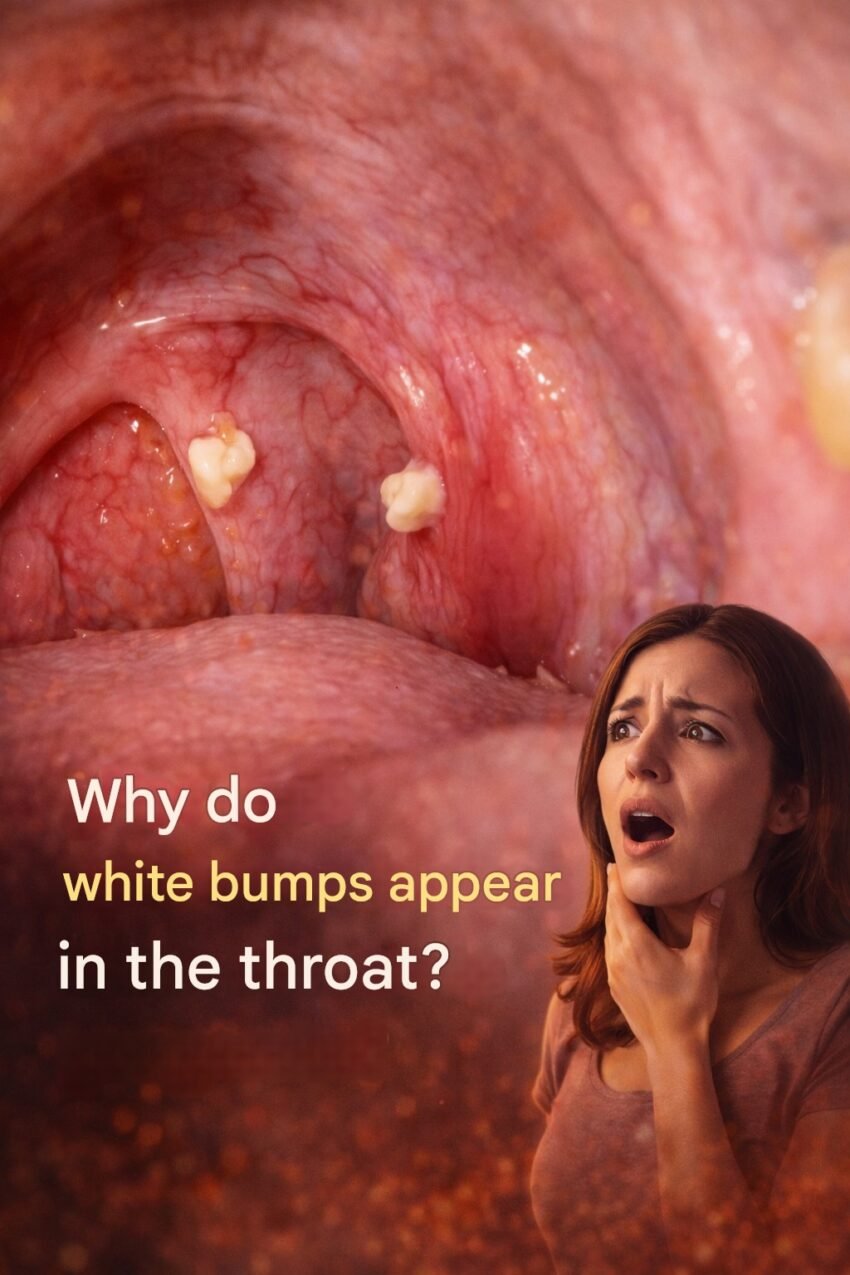
- In tonsil crevices (tonsil stones)
- On dental plaque
That’s why brushing alone often isn’t enough.
Why Brushing Alone Doesn’t Solve the Problem
Many people think:
“I brush twice a day, so why do I still have bad breath?”
Here’s why:
1. You’re not cleaning the tongue
Up to 60% of odor-causing bacteria live on the tongue.
2. You’re missing gum line bacteria
Plaque builds up where toothbrush bristles don’t fully reach.
3. Mouthwash is temporary
It kills bacteria briefly but doesn’t remove the source.
4. Dry mouth reduces saliva
Saliva naturally cleans your mouth — less saliva = more bacteria growth.
Step-by-Step Solution to Eliminate Bad Breath
Now let’s go practical.
This is a complete, real-world approach to reducing bacterial bad breath long-term.
Step 1: Clean Your Tongue Daily
This is the most important step most people ignore.
How to do it:
- Use a tongue scraper or toothbrush
- Gently clean from back to front
- Do it once or twice daily
Why it works:
- Removes bacterial coating
- Reduces sulfur gas production
- Improves breath almost immediately
Step 2: Brush Properly (Not Just Quickly)
Brushing is not just about teeth — it’s about removing biofilm.
Proper technique:
- Brush for at least 2 minutes
- Focus on gum line
- Use soft bristles
- Brush twice daily
Pro tip:
Electric toothbrushes are often more effective at removing plaque.
Step 3: Floss Daily
Flossing removes trapped food particles that feed bacteria.
Why it matters:
- 30–40% of tooth surfaces are unreachable by brushing
- These areas are major odor sources
Even skipping flossing once can allow bacteria buildup.
Step 4: Stay Hydrated to Prevent Dry Mouth
Saliva is your natural defense system.
Benefits of saliva:
- Washes away bacteria
- Neutralizes acids
- Reduces odor compounds
Simple fix:
- Drink water regularly throughout the day
- Avoid excessive caffeine and alcohol (they dry the mouth)
Step 5: Use Mouthwash Strategically (Not as a Fix-All)
Mouthwash can help — but only as a support tool.
Best practice:
- Use alcohol-free mouthwash
- Use after brushing and flossing
- Don’t rely on it alone
Step 6: Clean Your Diet (Bacteria Feed on Sugar)
Diet directly affects mouth bacteria.
Foods that increase bad breath:
- Sugar-heavy snacks
- Processed carbs
- Sugary drinks
- Excess dairy (for some people)
Foods that help:
- Apples (natural cleaning effect)
- Yogurt with probiotics
- Green tea (antibacterial properties)
- Crunchy vegetables
Step 7: Treat Gum Health Seriously
Gum disease is one of the biggest hidden causes of bad breath.
Warning signs:
- Bleeding while brushing
- Swollen gums
- Persistent odor
If these appear, professional dental care is important.
Step 8: Address Tonsil Stones (If Present)
Some people have small calcified deposits in the tonsils that trap bacteria.
Symptoms:
- Persistent bad breath despite good hygiene
- White particles at the back of throat
- Metallic or foul taste
A doctor or ENT specialist can help if needed.
Step 9: Improve Oral Microbiome Balance
Not all bacteria are bad.
The goal is not to kill everything — but to balance the ecosystem.
How to support good bacteria:
- Eat probiotic foods
- Avoid overusing harsh antiseptic mouthwash
- Maintain consistent oral hygiene
Common Mistakes People Make
Mistake 1: Overusing mouthwash
Kills good bacteria and worsens imbalance.
Mistake 2: Ignoring the tongue
One of the biggest missed steps.
Mistake 3: Skipping flossing
Leaves major bacterial sources untouched.
Mistake 4: Treating symptoms instead of causes
Masks odor instead of removing bacteria.
Real-Life Example: Fixing Long-Term Bad Breath
A working professional struggles with bad breath despite brushing daily.
After evaluation:
- Adds tongue cleaning
- Starts flossing nightly
- Drinks more water
- Reduces sugary snacks
Result in 2–3 weeks:
- Noticeable reduction in odor
- Improved confidence
- Better oral freshness throughout the day
No complicated treatment — just consistency.
Expert Insight: What Dentists Emphasize
Dental professionals often agree on one key point:
“Most chronic bad breath originates in the tongue and gum line, not the stomach.”
This is why targeted oral hygiene is far more effective than random remedies.
2026 Oral Health Trends
Modern oral care is shifting toward:
- Probiotic toothpaste
- Smart toothbrush sensors
- Personalized oral microbiome testing
- Alcohol-free antibacterial products
The focus is moving from “killing bacteria” to balancing bacteria.
Frequently Asked Questions
1. What is the main cause of bad breath?
Bacterial breakdown of food particles in the mouth.
2. Can brushing alone remove bad breath?
No, tongue cleaning and flossing are also essential.
3. Why does bad breath come back quickly?
Because bacteria regrow within hours without proper cleaning.
4. Does stomach health cause bad breath?
Rarely — most cases come from the mouth.
5. How often should I clean my tongue?
Once or twice daily.
6. Is mouthwash enough?
No, it only temporarily masks odor.
7. Can drinking water help?
Yes, it supports saliva production and reduces dryness.
8. Are probiotics helpful?
They may help balance oral bacteria.
9. Why is morning breath worse?
Saliva production drops during sleep, allowing bacteria to grow.
10. When should I see a dentist?
If bad breath persists despite proper hygiene.
Action Checklist: Daily Bad Breath Control
- ✔ Brush teeth twice daily
- ✔ Clean tongue every day
- ✔ Floss once daily
- ✔ Stay hydrated
- ✔ Reduce sugar intake
- ✔ Use mouthwash wisely
- ✔ Monitor gum health
Conclusion: Fix the Cause, Not Just the Smell
Bad breath is not a mystery — it’s a biological process driven by bacteria.
Once you stop focusing only on masking the odor and start targeting the bacterial sources, everything changes.
A clean mouth isn’t just about fresh breath — it’s about long-term oral health, confidence, and overall well-being.
To eliminate bad breath, you must control bacteria — not just cover the smell. Clean your tongue, protect your gums, stay hydrated, and stay consistent.
If you found this helpful, share it with someone who struggles with bad breath — or comment your biggest takeaway and experience.