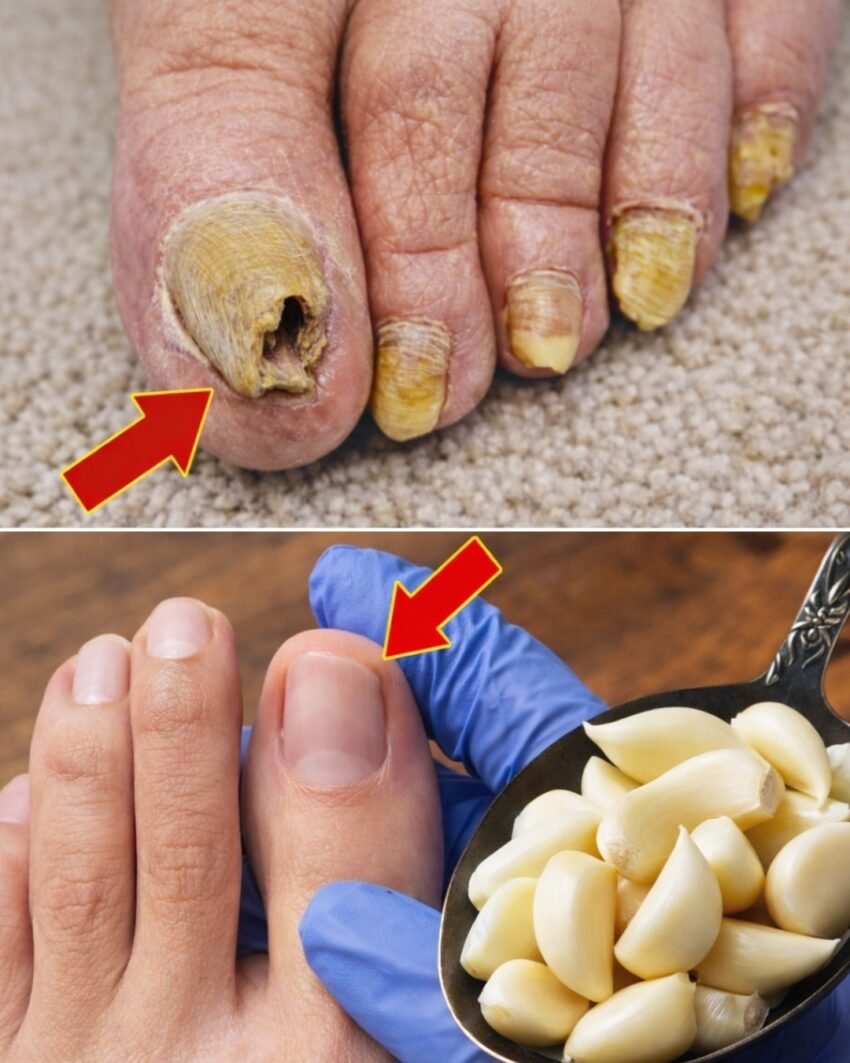
This Natural Nail Fungus Remedy Is Getting Attention for Visible Improvement in Weeks (Here’s What Actually Helps)
Discover a commonly used natural approach for nail fungus that may help improve appearance over time. Safe tips, steps, and what really works.
It often starts quietly.
A small yellowish spot on the nail.
A slight thickening.
A change in texture you barely notice at first.
Then one day, you realize it’s not going away.
Nail fungus is one of those conditions people tend to ignore in the beginning—until it becomes more visible, harder to manage, and emotionally frustrating.
Medically known as Onychomycosis, it can affect toenails or fingernails and often develops slowly over time.
And while there are medical treatments available, many people also look for simple home-based approaches that support improvement and help restore nail appearance gradually.
One widely discussed natural method involves antifungal essential oils and everyday household ingredients that may help reduce fungal buildup and improve nail condition over time.
But let’s be clear from the start:
There is no instant “kill switch” for nail fungus. Any real improvement takes consistency, patience, and proper care.
What we can do is support the environment around the nail so fungus struggles to survive and spread.
Why Nail Fungus Is So Persistent
Nail fungus is difficult to eliminate because it doesn’t just sit on the surface.
It:
- Penetrates deep into the nail bed
- Thrives in warm, moist environments
- Grows slowly but steadily
- Protects itself under thickened nail layers
Common causes include:
- Walking barefoot in damp areas
- Sweaty shoes or socks
- Poor nail hygiene
- Minor nail injuries
- Weakened immune response
Because nails grow slowly, visible improvement also takes time—even when treatment is working.
What Most People Get Wrong About Nail Fungus
Many people try quick fixes and give up too early.
Common mistakes include:
- Stopping treatment after a few days
- Using random home remedies inconsistently
- Covering fungus with nail polish (trapping moisture)
- Ignoring shoe hygiene
The biggest misunderstanding is expecting fast cosmetic change.
Nails grow gradually—so recovery must be measured in weeks and months, not days.
The Most Common Natural Approach People Use
One of the most widely used home approaches involves a combination of:
- Tea tree oil
- Apple cider vinegar
- Warm water soaks
- Proper nail trimming and cleaning
These ingredients are known for their cleansing and antifungal-support properties in traditional and home-care practices.
How These Natural Ingredients Work
1. Tea Tree Oil
Tea tree oil is commonly used for skin and nail care because it may help:
- Reduce fungal activity on the surface
- Improve nail clarity over time
- Support healthier nail appearance
It is not a guaranteed cure, but it is widely used in diluted form for maintenance.
2. Apple Cider Vinegar
Apple cider vinegar is acidic, which may help:
- Create an environment less favorable for fungal growth
- Soften thickened nails
- Support gentle cleansing
3. Warm Water Soaks
Soaking helps:
- Soften the nail
- Improve penetration of topical solutions
- Clean debris under the nail
Step-by-Step Natural Nail Care Routine
This routine is simple, but consistency is everything.
Step 1: Trim and Clean Nails Properly
- Cut nails straight across
- File thickened edges gently
- Clean under nails carefully
This reduces fungal buildup and helps treatments work better.
Step 2: Warm Water + Vinegar Soak
Mix:
- 1 part apple cider vinegar
- 2 parts warm water
Soak nails for 15–20 minutes daily.
Then dry completely.
Step 3: Apply Diluted Tea Tree Oil
Never use undiluted essential oil directly.
Mix:
- 1–2 drops tea tree oil
- 1 teaspoon carrier oil (coconut or olive oil)
Apply to affected nails twice daily.
Step 4: Keep Nails Dry
Moisture is fungus-friendly.
- Dry feet thoroughly after washing
- Change socks daily
- Use breathable footwear
Step 5: Maintain Consistency (Most Important Step)
Visible improvement may take:
- 2–4 weeks for early changes
- Several months for full nail regrowth
Realistic Timeline of Improvement
| Time Period | What You May Notice |
|---|---|
| 1–2 weeks | Less discoloration at edges |
| 3–6 weeks | Reduced thickness progression |
| 2–3 months | Healthier nail growth from base |
| 6+ months | Gradual replacement of damaged nail |
Important Truth: Nails Don’t Heal Overnight
Unlike skin, nails grow slowly.
Fingernails grow faster than toenails, but even then:
- Full nail replacement takes months
- Visible change appears gradually from the base
This is why consistency matters more than intensity.
Comparison: Natural Care vs Medical Treatment
| Feature | Natural Approach | Medical Treatment |
|---|---|---|
| Speed | Gradual | Faster in many cases |
| Side effects | Low | Possible (varies) |
| Accessibility | High | Requires prescription sometimes |
| Effectiveness | Mild to moderate support | Clinically stronger |
When Natural Remedies May Not Be Enough
Home care may not be sufficient if:
- Nail is severely thickened
- Infection spreads to multiple nails
- Pain or inflammation occurs
- No improvement after months of care
In such cases, medical treatments like antifungal medications or procedures may be necessary.
Common Mistakes That Slow Recovery
1. Inconsistent Application
Skipping days resets progress.
Fix: Stick to daily routine.
2. Not Treating Shoes
Shoes can reintroduce fungus.
Fix: Keep footwear dry and clean.
3. Covering Nails Too Often
This traps moisture.
Fix: Allow nails to breathe.
4. Expecting Fast Cosmetic Results
Nails take time to grow out.
Fix: Focus on new growth, not old nail appearance.
Extra Supportive Habits
1. Use Antifungal Foot Powder
Helps reduce moisture buildup.
2. Wear Breathable Socks
Cotton or moisture-wicking fabrics are best.
3. Disinfect Nail Tools
Prevents reinfection.
4. Avoid Walking Barefoot in Public Wet Areas
Pools and showers are common sources of fungal exposure.
Mini Case Scenario
A 48-year-old office worker noticed toenail discoloration that gradually worsened.
Instead of ignoring it, they started:
- Daily vinegar soaks
- Diluted tea tree oil application
- Strict foot hygiene
After 6 weeks:
- Nail discoloration stopped spreading
- New nail growth appeared clearer
- Thickness reduced slightly
Full recovery took months, but early progress motivated consistency.
Expert Insight: Why Combination Care Works Better
No single remedy works alone.
Improvement usually comes from:
- Reducing fungal environment
- Supporting nail regrowth
- Maintaining dryness and hygiene
This multi-step approach is why combined routines are more effective than single solutions.
Frequently Asked Questions
1. Can nail fungus go away naturally?
Mild cases may improve with consistent care, but many require long-term treatment.
2. How long does it take to see results?
Usually a few weeks for early changes, months for full improvement.
3. Is tea tree oil really effective?
It may help support antifungal conditions but is not a guaranteed cure.
4. Can vinegar kill nail fungus completely?
It may help reduce fungal growth but does not eliminate all infections alone.
5. Should I cut off infected nails?
Trimming helps, but complete removal should only be done medically if required.
6. Can nail fungus come back?
Yes, especially if hygiene habits don’t change.
7. Is it contagious?
It can spread through shared surfaces or tools.
8. What is the fastest safe treatment?
Prescription antifungal treatments are typically faster, while natural methods are gradual.
Action Checklist
Do This:
✔ Trim and clean nails regularly
✔ Apply diluted antifungal oils consistently
✔ Keep feet dry and clean
✔ Change socks daily
✔ Treat shoes and nail tools
Avoid This:
✘ Expecting overnight results
✘ Using undiluted essential oils
✘ Ignoring footwear hygiene
✘ Stopping treatment too early
Conclusion
Nail fungus is persistent, but not unbeatable.
The key is understanding that improvement is a process—not an instant fix.
Natural care methods like vinegar soaks, tea tree oil, and proper hygiene may support healthier nail growth over time, especially when used consistently.
But patience is essential. Real change happens gradually as the nail grows out and healthier tissue replaces damaged areas.
Natural remedies can support nail fungus improvement, but consistency and time—not speed—are what truly determine results.
If this helped you understand nail care better, share it with someone dealing with stubborn nail issues—and explore more simple, practical home health habits that actually make sense.