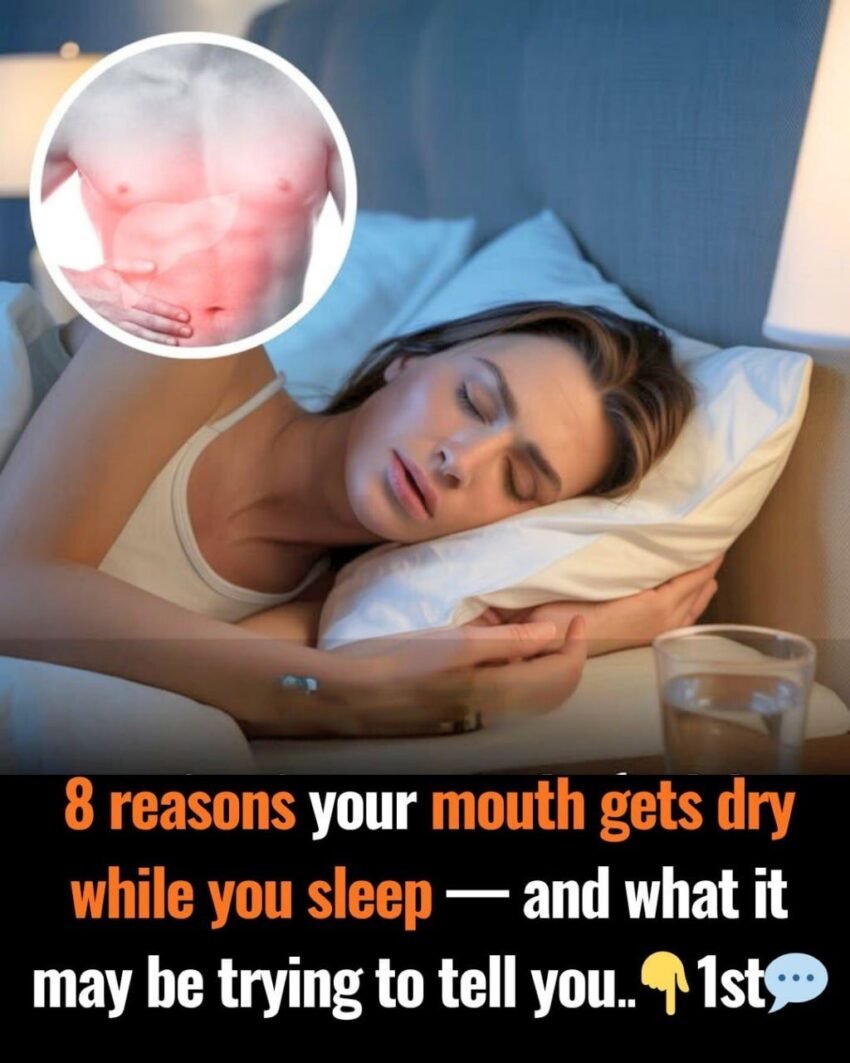
Waking Up With a Dry Mouth? 8 Real Reasons It Happens (Especially in the Second Half of the Night)
Discover the 8 most common causes of dry mouth at night, including breathing habits, dehydration, stress, medications, and when it may signal a health issue.
You wake up at 3 a.m.… and your mouth feels like sandpaper
It’s a strange feeling.
You didn’t drink alcohol. You went to bed hydrated. Nothing felt off.
But now you’re awake with a dry, sticky mouth—and sometimes even a sore throat or mild headache.
At first, it feels random. But when it keeps happening—especially in the second half of the night—it’s usually not random at all.
Your body is giving you clues.
And those clues often point to how you breathe, sleep, and regulate hydration while you rest.
Let’s break it down clearly.
Why Dry Mouth at Night Matters More Than You Think
Dry mouth at night is medically referred to as Xerostomia.
It happens when saliva production drops too low during sleep.
Saliva is more important than most people realize—it:
- Protects teeth from decay
- Keeps the mouth moist
- Helps control bacteria
- Aids digestion even during sleep
So when it decreases, your mouth feels dry, uncomfortable, and sometimes irritated.
1. Mouth Breathing While You Sleep (The #1 Cause)
This is the most common reason—and often the most overlooked.
What happens:
Instead of breathing through your nose, you breathe through your mouth all night.
Why it leads to dry mouth:
- Air flows directly over oral tissues
- Moisture evaporates faster
- Saliva dries out continuously
Common triggers:
- Nasal congestion
- Allergies
- Deviated septum
- Habitual mouth breathing
If you wake up with a dry mouth and a sore throat, this is often the main suspect.
2. Dehydration Before Bed
It sounds obvious, but timing matters more than people think.
Why it happens:
If your body is already slightly dehydrated before sleep, saliva production drops further overnight.
Common causes:
- Not drinking enough water during the day
- Excess caffeine
- Alcohol intake
- Sweating (hot weather or heavy blankets)
Why it shows up in the second half of the night:
That’s when your body has gone the longest without fluid intake.
3. Sleep Apnea or Interrupted Breathing
This is a more serious—but important—cause.
A condition like Sleep Apnea can cause:
- Repeated pauses in breathing
- Mouth breathing during sleep
- Dry mouth upon waking
Other signs include:
- Loud snoring
- Waking up gasping
- Morning headaches
- Daytime fatigue
Dry mouth alone doesn’t confirm sleep apnea—but it can be an early clue.
4. Medications That Reduce Saliva
Many common medications list dry mouth as a side effect.
Examples include:
- Antihistamines
- Antidepressants
- Blood pressure medications
- Pain relievers
Why they matter:
These drugs can reduce the activity of salivary glands.
What you may notice:
- Worse dryness in the middle of the night
- Thicker saliva during the day
- Frequent throat dryness
If symptoms started after a new medication, this is worth reviewing.
5. Stress and Anxiety During Sleep
Stress doesn’t always stop when you fall asleep.
How it affects your mouth:
- Increases mouth breathing
- Reduces saliva production
- Leads to shallow breathing patterns
People under chronic stress often experience:
- Restless sleep
- Night waking
- Dry mouth episodes in the early morning hours
The body’s nervous system plays a bigger role in saliva production than most people realize.
6. Sleeping With Open Mouth Due to Nasal Issues
If your nose isn’t fully clear, your body adapts.
Common causes:
- Sinus congestion
- Seasonal allergies
- Cold or flu
- Structural nasal issues
Result:
You unconsciously switch to mouth breathing during sleep.
This often worsens in the second half of the night when nasal passages become more congested.
7. Dry Bedroom Environment
Your surroundings matter more than you think.
Causes:
- Air conditioning
- Heaters in winter
- Low humidity levels
What happens:
Dry air pulls moisture from:
- Mouth
- Throat
- Nasal passages
Result:
You wake up feeling dry even if your hydration is fine.
8. Underlying Health Conditions (Less Common but Important)
Sometimes dry mouth is linked to systemic issues.
One example is Diabetes Mellitus.
Why it matters:
High blood sugar can lead to:
- Increased thirst
- Reduced saliva flow
- Frequent nighttime dryness
Other possible contributors:
- Hormonal changes
- Autoimmune conditions
- Salivary gland disorders
These are less common—but important if symptoms persist.
Step-by-Step: How to Reduce Nighttime Dry Mouth
Step 1: Check Your Breathing
- Try nasal breathing during the day
- Address congestion or allergies
- Consider nasal strips if needed
Step 2: Hydrate Strategically
- Drink water throughout the day
- Avoid overloading right before bed
- Reduce caffeine in the evening
Step 3: Improve Sleep Environment
- Use a humidifier
- Avoid overly dry AC or heating
- Keep airflow balanced
Step 4: Review Medications
- Check side effects
- Talk to a healthcare provider if needed
Step 5: Watch for Sleep Patterns
- Snoring
- Mouth breathing
- Frequent waking
These may need medical evaluation.
Common Mistakes People Make
Mistake #1: Only Drinking Water at Night
Fix: Hydration must happen throughout the day
Mistake #2: Ignoring Nasal Congestion
Fix: Treat allergies or sinus issues early
Mistake #3: Assuming It’s Normal Aging
Fix: Persistent dry mouth is not just age-related
Mistake #4: Not Checking Medications
Fix: Always review side effects with a professional
Pros and Cons of Common Solutions
| Solution | Benefit | Limitation |
|---|---|---|
| Humidifier | Improves air moisture | Needs maintenance |
| Nasal strips | Improves breathing | Temporary relief |
| Hydration | Simple fix | Must be consistent |
| Medication review | Addresses root cause | Requires consultation |
Expert Insight: Why It’s Worse in the Second Half of the Night
Two key reasons:
- Natural saliva production drops during deeper sleep stages
- Nasal congestion often increases overnight
This combination explains why many people wake up around 2–5 a.m. with dryness.
2026 Trend: Sleep Health Awareness Is Growing
Medical awareness around sleep-related conditions is increasing globally.
Organizations like the National Institutes of Health continue to study links between sleep quality, breathing patterns, and oral health.
There’s growing recognition that:
- Sleep quality affects oral health
- Mouth breathing is underdiagnosed
- Dry mouth can be an early warning sign
Mini Scenario: A Common Real-Life Pattern
A person wakes up nightly with dry mouth.
They assume it’s dehydration.
They drink more water before bed—but it doesn’t help.
Later, they discover:
- They snore lightly
- They breathe through their mouth
- They have mild nasal congestion
After addressing breathing and environment, symptoms improve significantly.
Frequently Asked Questions
1. Is dry mouth at night normal?
Occasional dryness can happen, but frequent dryness is worth investigating.
2. Why is it worse in the early morning?
Saliva production is lowest during deep sleep phases.
3. Can dehydration alone cause it?
Yes, but it’s often combined with other factors.
4. Does snoring cause dry mouth?
Yes, because it often involves mouth breathing.
5. Should I worry about dry mouth every night?
Persistent symptoms should be evaluated.
6. Can medications permanently cause dry mouth?
Some can, but effects are often manageable.
7. Does sleeping position matter?
Yes—back sleeping can worsen mouth breathing.
8. Can stress really cause dry mouth?
Yes, through changes in breathing and saliva production.
9. Is it linked to diabetes?
It can be, especially with other symptoms like excessive thirst.
10. What’s the fastest way to improve it?
Fix breathing, hydration, and sleep environment together.
Action Checklist: Fix Nighttime Dry Mouth
✅ Do This
- Stay hydrated throughout the day
- Treat nasal congestion
- Use a humidifier if needed
- Review medications
- Monitor sleep breathing patterns
❌ Avoid This
- Don’t rely only on nighttime water
- Don’t ignore snoring or mouth breathing
- Don’t assume it’s harmless if persistent
- Don’t overlook environmental dryness
Conclusion: Your Body Is Speaking—Pay Attention to the Pattern
Waking up with a dry mouth isn’t just a nuisance.
It’s often a signal of how you breathe, sleep, and hydrate over time.
The good news is that most causes are manageable once identified.
Small changes in breathing, hydration, and environment can make a noticeable difference.
Persistent dry mouth at night is rarely random—it’s usually your body’s way of pointing to a fixable habit or condition.
If this helped you understand your symptoms better, share it with someone who wakes up feeling the same way—and explore more practical health guides to improve your daily sleep and wellness.