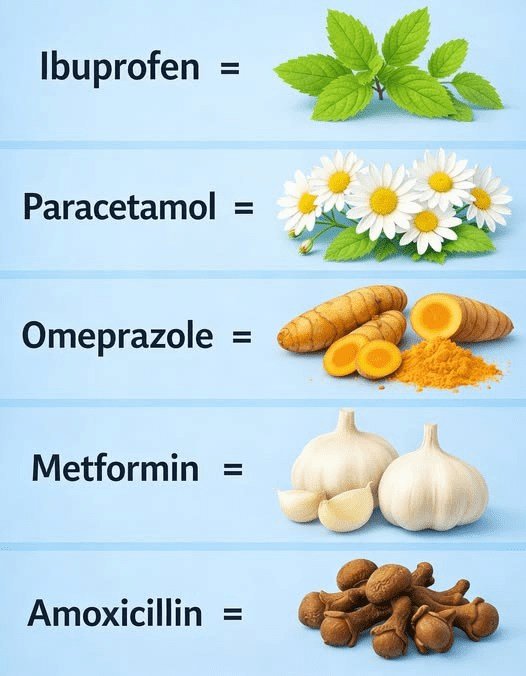
6 Natural Herbs That May Support Your Health Like Common Medications
Discover six natural herbs that may support your health like everyday medications. Learn how they work, benefits, and safe ways to include them in your routine.
Nature’s Medicine Cabinet: Can Herbs Really Help?
Modern medicine has given us incredible treatments—but what if nature could offer gentle, supportive alternatives for everyday health concerns?
From boosting immunity to calming stress, certain herbs have been used for centuries and are now being studied for their potential effects similar to some common medications.
This guide highlights six powerful herbs, backed by research, that you might consider including in your wellness routine.
1. Turmeric (Curcuma longa) – Nature’s Anti-Inflammatory
Turmeric, a bright yellow spice common in Indian cuisine, contains curcumin, known for its anti-inflammatory properties.
Benefits
- May support joint health
- May reduce mild inflammation, similar to over-the-counter anti-inflammatory medications
- Supports digestive health
How to Use
- Add turmeric powder to curries, soups, or smoothies
- Pair with black pepper to increase absorption
- Turmeric tea or golden milk is a comforting option
⚠️ Note: People on blood thinners should consult a doctor before high-dose turmeric supplements.
2. Ginger (Zingiber officinale) – The Stomach Soother
Ginger has been used for centuries to ease digestive discomfort and reduce nausea.
Benefits
- May relieve mild digestive upset, bloating, or nausea
- Supports circulation and may reduce muscle soreness
How to Use
- Fresh ginger in teas or smoothies
- Add grated ginger to stir-fries or soups
- Ginger supplements in capsule form (check dosage)
3. Garlic (Allium sativum) – Heart Helper
Garlic is known for its cardiovascular benefits and may support healthy blood pressure and cholesterol levels.
Benefits
- Supports heart health similar to mild blood pressure medications
- Contains antioxidants that protect blood vessels
- May boost immune function
How to Use
- Raw or lightly cooked in meals
- Garlic supplements (allicin-rich)
- Include in salad dressings, sauces, or roasted dishes
⚠️ Note: May increase bleeding risk if taken with anticoagulants.
4. Ashwagandha (Withania somnifera) – Stress Regulator
Ashwagandha, an adaptogenic herb from Ayurvedic medicine, helps the body cope with stress.
Benefits
- Supports cortisol regulation
- May help reduce mild anxiety, similar to calming supplements
- Supports energy and sleep quality
How to Use
- Powdered root in warm milk or smoothies
- Capsules or tinctures as per label instructions
5. Peppermint (Mentha piperita) – Digestive Ally
Peppermint is widely used to calm digestive discomfort and may offer mild relief comparable to antispasmodic medications.
Benefits
- Supports smooth muscle relaxation in the gut
- May relieve bloating, cramps, or indigestion
- Refreshing flavor for teas or inhalation
How to Use
- Peppermint tea or essential oil (diluted)
- Peppermint oil capsules for targeted digestive support
⚠️ Note: Avoid peppermint oil capsules if you have acid reflux or GERD without medical advice.
6. Hawthorn (Crataegus spp.) – Heart and Circulation Support
Hawthorn has been traditionally used to support cardiovascular health.
Benefits
- May improve blood flow and mild heart function
- Contains antioxidants that support vascular health
- Sometimes compared to mild heart medications for supportive care
How to Use
- Hawthorn tea or tincture
- Capsules standardized for flavonoid content
⚠️ Note: Consult your doctor if you’re taking heart medications to avoid interactions.
Safety and Considerations
While herbs are natural, they aren’t risk-free:
- Herbs can interact with medications
- Quality and potency vary between supplements
- Dosage is important—more is not always better
Always consult a healthcare professional before replacing or combining herbs with prescription medications.
Practical Tips for Including Herbs Safely
- Start small—introduce one herb at a time
- Focus on whole foods and teas before supplements
- Combine herbs with healthy lifestyle choices like balanced diet and exercise
- Track your body’s response and adjust accordingly
- Buy from reputable brands to ensure quality
Frequently Asked Questions
1. Can herbs replace medications?
Herbs can support health but should not replace prescribed medications without consulting a doctor.
2. Are there side effects?
Yes, depending on the herb, dose, and individual health conditions.
3. How long until I see benefits?
Some herbs work quickly (like peppermint for digestion), while others (like ashwagandha) may take weeks.
4. Can I combine multiple herbs?
Yes, but do so gradually and watch for interactions.
5. Are fresh herbs better than supplements?
Both have benefits. Supplements can provide standardized doses, while fresh herbs are often more versatile in meals.
Action Checklist: Integrating Herbs Into Your Daily Routine
- ✔ Choose 1–2 herbs to start with
- ✔ Prepare teas, add to meals, or use supplements carefully
- ✔ Track effects on your health
- ✔ Consult a healthcare professional for safety
- ✔ Combine with diet, hydration, and exercise for optimal benefits
Conclusion: Gentle Support from Nature
Herbs have been supporting human health for centuries. While they aren’t a replacement for modern medicine, they can complement a healthy lifestyle, helping your body manage stress, inflammation, and everyday discomfort naturally.
Turmeric, ginger, garlic, ashwagandha, peppermint, and hawthorn are just a few herbs with potential benefits similar to common medications. With responsible use, guidance, and consistency, these natural allies may help you maintain better health—safely and effectively.
Have you tried any of these herbs? Share your experiences in the comments and inspire someone to explore the gentle power of nature.