If Your Hands Are Going Numb, Here’s What It Really Means (According to Doctors)
Experiencing numb hands? Learn what doctors say about causes, warning signs, and when to seek help for tingling or loss of sensation.
You’re scrolling your phone, driving, or even sleeping—and suddenly your hands go numb. That strange tingling, the “pins and needles,” or even complete loss of feeling can be unsettling.
Most people brush it off. “I must’ve slept on it wrong,” right?
Sometimes, that’s true. But doctors warn that recurring or unexplained hand numbness can signal underlying health issues you shouldn’t ignore.
This guide breaks down what that sensation actually means, when it’s harmless, and when it could be your body trying to warn you about something more serious.
What Does “Hand Numbness” Actually Mean?
Hand numbness typically involves:
- Tingling (“pins and needles”)
- Burning sensation
- Weakness
- Reduced or complete loss of feeling
Medically, this happens when nerves are compressed, irritated, or damaged.
The Most Common Causes (And What They Feel Like)
1. Temporary Nerve Compression (The Most Harmless Cause)
This is the classic scenario:
- You sleep on your arm
- Sit in one position too long
- Rest your wrist awkwardly
What it feels like:
- Sudden numbness
- Tingling that fades within minutes
Doctors say this is completely normal and resolves quickly once blood flow and nerve function return.
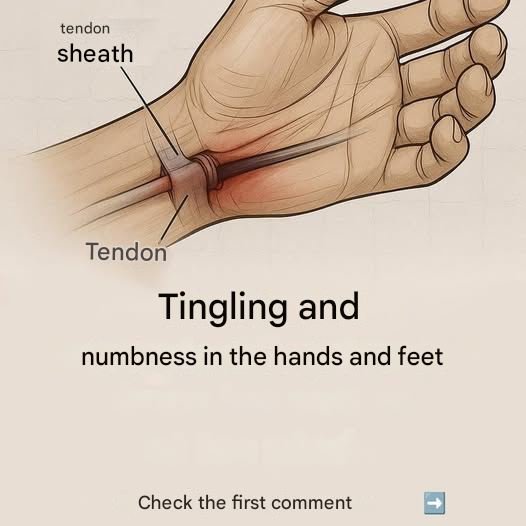
2. Carpal Tunnel Syndrome
One of the most common causes in the United States—especially for people who:
- Work on computers
- Use phones frequently
- Perform repetitive hand motions
What’s happening:
Pressure on the median nerve in your wrist.
Symptoms:
- Numbness in thumb, index, and middle fingers
- Weak grip strength
- Tingling that worsens at night
Doctors often see this in office workers, drivers, and even gamers.
3. Poor Circulation
Restricted blood flow can also cause numbness.
Common triggers:
- Sitting or standing too long
- Cold temperatures
- Tight clothing or accessories
What it feels like:
- Cold hands
- Pale or bluish skin
- Tingling along with numbness
4. Vitamin Deficiencies
Doctors frequently link numbness to low levels of key vitamins, especially:
- Vitamin B12
- Vitamin B6
Why it matters:
These vitamins are essential for nerve health.
Symptoms may include:
- Persistent tingling
- Fatigue
- Balance issues
5. Neck or Spine Issues
Sometimes the problem isn’t in your hands—it’s in your neck.
Conditions like herniated discs can compress nerves that travel to your hands.
Signs:
- Numbness traveling from shoulder to fingers
- Neck pain
- Weakness in the arm
6. Diabetes-Related Nerve Damage
People with Diabetes may develop peripheral neuropathy.
What it feels like:
- Gradual numbness
- Burning sensation
- Often starts in feet, then hands
Doctors consider this a serious but manageable condition with proper care.
7. Anxiety and Stress
This one surprises many people.
Stress can trigger physical symptoms, including numbness.
How it happens:
- Hyperventilation changes oxygen levels
- Muscle tension compresses nerves
What it feels like:
- Tingling in hands or fingers
- Often during panic or high stress
When Hand Numbness Is a Warning Sign
Doctors emphasize: context matters.
Seek immediate medical attention if numbness is accompanied by:
- Sudden weakness or paralysis
- Slurred speech
- Facial drooping
These could be signs of a Stroke and require urgent care.
Real-Life Scenario
David, a 38-year-old software engineer in California, started experiencing numbness in his right hand at night.
At first, he ignored it. But when it became frequent, he saw a doctor and was diagnosed with early carpal tunnel syndrome.
After simple changes—like ergonomic adjustments and wrist support—his symptoms improved significantly.
Lesson: Early attention prevents bigger problems.
Step-by-Step: What To Do If Your Hands Go Numb
1. Change Position Immediately
If it’s temporary, movement should restore feeling quickly.
2. Stretch and Shake It Out
Gentle motion can improve blood flow and relieve pressure.
3. Track Frequency
Ask yourself:
- How often does this happen?
- How long does it last?
4. Adjust Your Environment
- Improve posture
- Use ergonomic tools
- Take breaks from repetitive tasks
5. Evaluate Your Diet
Ensure you’re getting enough essential vitamins.
6. See a Doctor If It Persists
Especially if symptoms:
- Occur daily
- Worsen over time
- Affect strength or coordination
Pros and Cons of Ignoring the Symptom
| If You Pay Attention | If You Ignore It |
|---|---|
| Early diagnosis | Risk of worsening nerve damage |
| Simple lifestyle fixes | Possible chronic conditions |
| Better long-term health | Delayed treatment |
Common Mistakes People Make
- Ignoring recurring numbness
- Assuming it’s always from sleeping wrong
- Delaying medical consultation
- Overlooking diet and vitamin intake
Expert Tips Most People Don’t Know
- Nighttime numbness is a key warning sign for nerve compression
- Hand numbness + neck pain often points to spinal issues
- Small ergonomic changes can completely resolve early symptoms
2026 Health Insight
Doctors in the U.S. are seeing a rise in hand numbness cases due to:
- Increased screen time
- Remote work setups
- Poor posture habits
The takeaway? Modern lifestyles are putting more strain on nerves than ever before.
Frequently Asked Questions
1. Is hand numbness always serious?
No. Occasional numbness is usually harmless, especially from temporary pressure.
2. How long is too long for numbness?
If it lasts more than a few minutes regularly or becomes frequent, get it checked.
3. Can dehydration cause numbness?
It can contribute indirectly, especially by affecting circulation.
4. Which fingers matter most?
Different fingers can point to different nerves—for example, thumb and index finger often relate to carpal tunnel.
5. Can exercise help?
Yes, improving circulation and strength can reduce symptoms.
6. Should I worry about numbness while sleeping?
Frequent nighttime numbness is worth evaluating.
7. Can anxiety really cause this?
Yes, stress can trigger physical sensations including tingling.
8. When should I see a doctor?
If symptoms are persistent, worsening, or paired with weakness or pain.
Action Checklist
- ✅ Notice when and how numbness happens
- ✅ Adjust posture and daily habits
- ✅ Take breaks from repetitive tasks
- ✅ Improve nutrition
- ✅ Seek medical advice if symptoms persist
Conclusion
Hand numbness isn’t something to panic about—but it’s also not something to ignore.
In many cases, it’s your body reacting to temporary pressure or posture. But when it becomes frequent or persistent, it can signal deeper issues like nerve compression, vitamin deficiency, or chronic conditions.
Listening to your body early can make all the difference.
Occasional numbness is normal. Persistent numbness is a message—don’t ignore it.
Have you experienced hand numbness recently? What triggered it—and what helped? Share your experience and join the conversation. Your story might help someone recognize an early warning sign.