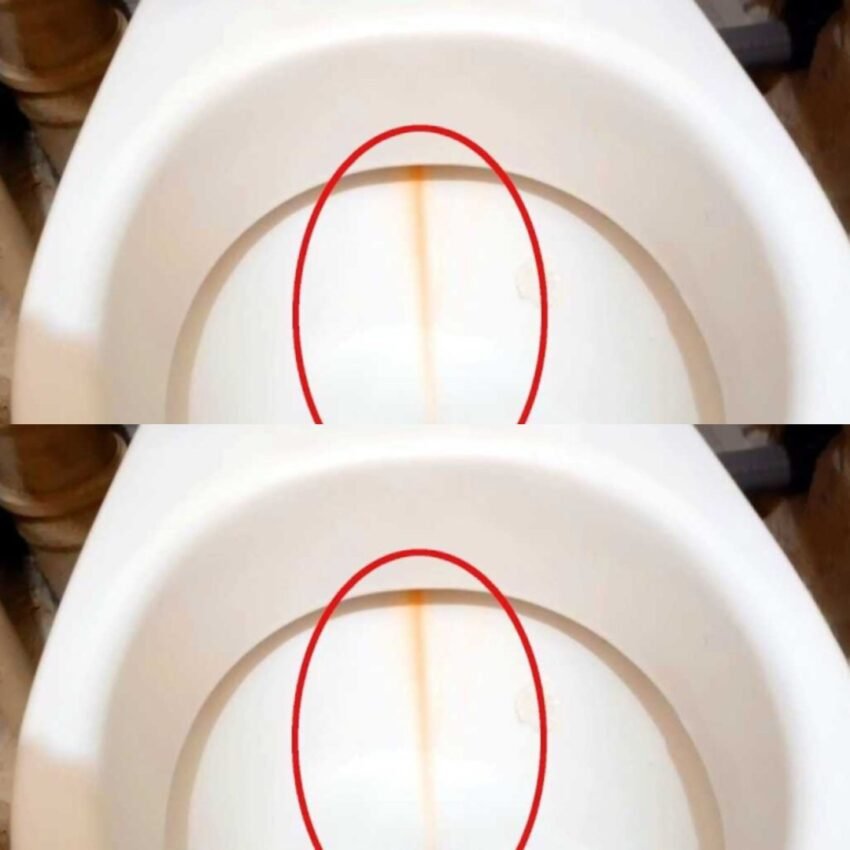
I Applied This to My Toilet Brush—And the Limescale Disappeared Instantly (Here’s What Actually Works)
Discover what really removes toilet limescale fast. Learn safe, effective methods experts recommend for a cleaner, stain-free bathroom.
If you’ve ever looked into your toilet bowl and noticed those stubborn white, chalky stains that just won’t budge—you’re not alone. Limescale buildup is one of the most frustrating cleaning problems in American households, especially in areas with hard water.
You scrub. You flush. You try stronger cleaners. And still… the stains remain.
Then you hear claims like: “I applied this to my toilet brush and the limescale disappeared instantly.”
Sounds too good to be true, right?
Let’s break down what actually works, what professionals recommend, and how you can remove limescale quickly, safely, and effectively—without damaging your toilet or wasting money.
What Is Limescale (And Why It’s So Stubborn)?
Limescale is a mineral buildup, primarily made of calcium carbonate, left behind when hard water evaporates.
You’ll usually see it as:
- White, chalky residue
- Yellow or brown stains (when mixed with other minerals)
- Rough patches around the waterline
In the U.S., hard water is especially common in states like Texas, Arizona, and Nevada—making limescale a frequent issue.
The “Toilet Brush Trick”: What People Are Actually Using
When people say they “apply something to the toilet brush,” they’re usually talking about one of these powerful (yet accessible) cleaning agents:
1. White Vinegar (The Most Popular Choice)
Household white vinegar is a mild acid that breaks down mineral deposits naturally.
How it works:
- Acid reacts with calcium buildup
- Softens and dissolves limescale
- Makes scrubbing far easier
How to use it:
- Pour vinegar directly into the toilet bowl
- Dip your toilet brush into the vinegar
- Scrub affected areas
- Let it sit for 15–30 minutes
- Flush
2. Baking Soda + Vinegar Combo
This classic combo creates a fizzing reaction that helps loosen buildup.
Steps:
- Sprinkle baking soda into the bowl
- Add vinegar
- Let it fizz
- Scrub with your brush
While satisfying to watch, experts note:
👉 The real cleaning power comes from the vinegar—not the fizz.
3. Citric Acid (A Hidden Gem)
Used by professional cleaners, citric acid is stronger than vinegar but still safe when used correctly.
Benefits:
- Breaks down tough limescale faster
- Leaves fewer odors
- Works well in hard water regions
4. Commercial Limescale Removers
Store-bought cleaners are formulated specifically for mineral buildup.
Doctors and safety experts recommend choosing products that are:
- Non-toxic when possible
- Approved for household use
- Used according to instructions
Step-by-Step: The Fastest Way to Remove Limescale
Here’s a method that actually delivers results:
Step 1: Lower the Water Level
Turn off the water supply and flush to expose stains.
Step 2: Apply Your Cleaning Agent
Use vinegar or citric acid directly on affected areas.
Step 3: Let It Sit
Give it time—15 to 30 minutes minimum.
Step 4: Scrub with the Toilet Brush
Focus on rough, stained areas.
Step 5: Flush and Repeat if Needed
For heavy buildup, repeat once or twice.
Real-World Scenario
Sarah, a homeowner in Phoenix, struggled with stubborn limescale due to extremely hard water. She tried multiple products with little success.
After switching to a citric acid soak and letting it sit overnight, she noticed a dramatic difference the next morning.
Her takeaway:
“It wasn’t about scrubbing harder—it was about using the right solution and giving it time.”
Why This Trick Works (The Science Made Simple)
Limescale is alkaline.
Acidic cleaners like vinegar and citric acid:
- React with the mineral deposits
- Break them down into soluble compounds
- Make them easy to remove
That’s why simply scrubbing without a proper cleaning agent rarely works.
Pros and Cons of Popular Methods
| Method | Pros | Cons |
|---|---|---|
| Vinegar | Affordable, natural | Slower on heavy buildup |
| Baking Soda + Vinegar | Easy to use | Less effective than expected |
| Citric Acid | Fast and powerful | Requires careful handling |
| Commercial Cleaners | Strong results | May contain harsh chemicals |
Common Mistakes People Make
- Scrubbing without letting cleaner sit
- Using only water and brush
- Mixing incompatible chemicals (dangerous)
- Expecting instant results without proper application
Expert Tips Most People Don’t Know
- Warm vinegar works faster than cold
- Letting the solution sit overnight can remove even thick buildup
- Using a pumice stone (carefully) can help with extreme cases
2026 Cleaning Trend Insight
More U.S. households are shifting toward:
- Eco-friendly cleaning solutions
- DIY methods using pantry ingredients
- Reduced reliance on harsh chemicals
The result? Vinegar and citric acid are becoming go-to solutions again—simple, effective, and budget-friendly.
Frequently Asked Questions
1. Does vinegar really remove limescale?
Yes, its acidity breaks down mineral deposits effectively.
2. How long should I leave it in the toilet?
At least 15–30 minutes; longer for heavy buildup.
3. Is it safe to use daily?
Yes, but it’s usually not necessary that often.
4. Can I mix vinegar with bleach?
No. This creates dangerous fumes—never mix them.
5. What if limescale is very thick?
Use citric acid or repeat the process multiple times.
6. Does hard water cause this problem?
Yes, it’s the main cause of limescale buildup.
7. Can I prevent limescale?
Regular cleaning and using water softeners can help.
8. Are commercial cleaners better?
They can be stronger, but natural methods often work just as well.
Action Checklist
- ✅ Identify limescale buildup areas
- ✅ Choose vinegar or citric acid
- ✅ Apply and let sit (don’t rush)
- ✅ Scrub effectively with a toilet brush
- ✅ Repeat for stubborn stains
- ✅ Maintain regular cleaning routine
Conclusion
That viral “toilet brush trick” isn’t magic—it’s chemistry.
When you apply the right acidic solution and give it time to work, limescale doesn’t stand a chance. The key isn’t scrubbing harder—it’s working smarter.
Use the right cleaner, let it sit, and your toilet can look brand new—without harsh effort or expensive products.
Have you tried this method—or found an even better trick? Share your experience and help others finally win the battle against stubborn limescale.