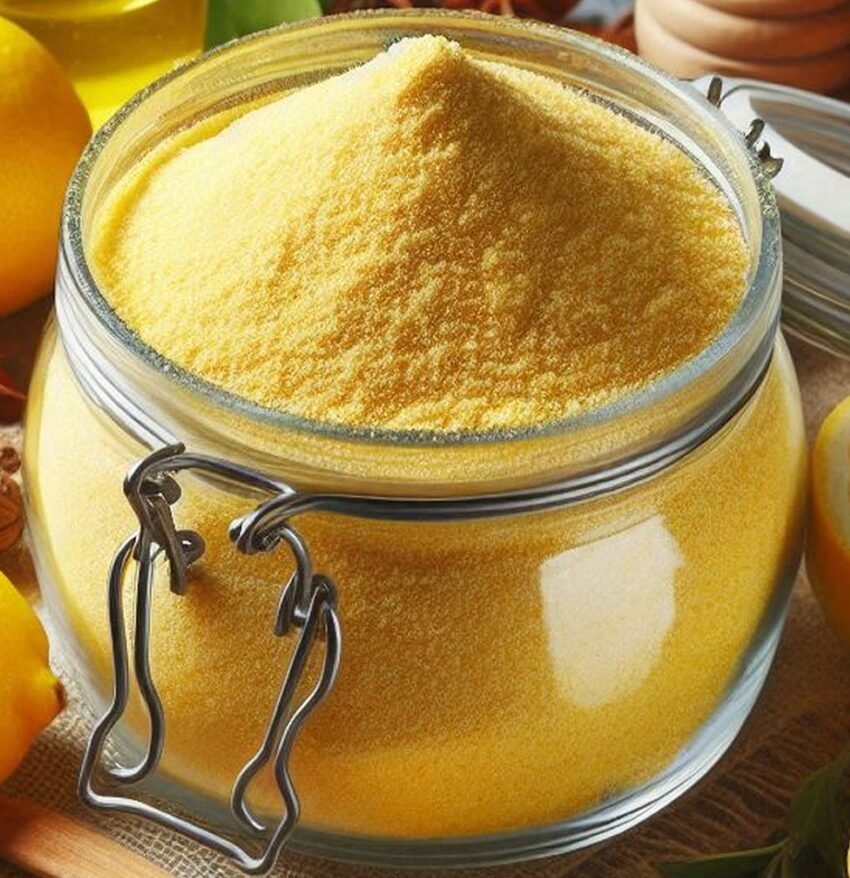
Discover the Secret of Taste: How to Prepare Lemon Powder for an Irresistible Aroma
Learn how to make lemon powder at home for bold flavor and aroma. Step-by-step guide, expert tips, storage hacks, and delicious uses.
The Flavor Boost You Didn’t Know You Were Missing
There’s something instantly uplifting about the smell of fresh lemon.
It’s bright. Clean. Energizing.
But here’s the problem: fresh lemons don’t last forever. They dry out, go bad, or get forgotten in the fridge drawer.
That’s where lemon powder changes everything.
With just a little effort, you can turn fresh lemons into a long-lasting, intensely aromatic powder that upgrades everything from your cooking to your morning routine.
And once you start using it, it’s hard to go back.
What Is Lemon Powder?
Lemon powder is made by drying lemon peel (zest) and grinding it into a fine powder.
It captures:
- The essential oils in the peel
- The citrus aroma
- The tangy flavor
Unlike bottled lemon juice, it’s concentrated, shelf-stable, and incredibly versatile.
Why Lemon Powder Is Gaining Popularity in U.S. Kitchens
More home cooks across the United States are turning to homemade ingredients—and lemon powder fits perfectly into that trend.
Here’s why:
- Zero waste cooking (use leftover peels)
- Long shelf life
- No additives or preservatives
- Easy flavor boost for quick meals
It’s especially popular among people who meal prep, cook frequently, or prefer natural pantry staples.
Ingredients You’ll Need
Simple and minimal:
- Fresh lemons (preferably organic)
- Optional: a pinch of salt or sugar (for specific uses)
Step-by-Step: How to Make Lemon Powder at Home
Step 1: Wash and Prep the Lemons
- Wash thoroughly to remove dirt or wax
- Pat dry completely
Step 2: Zest the Lemons
- Use a grater or zester
- Avoid the white pith (it’s bitter)
- Collect only the bright yellow outer layer
Step 3: Dry the Zest
You have three options:
Air Dry (Natural Method)
- Spread zest on a plate or tray
- Leave in a dry, ventilated area
- Takes 2–3 days
Oven Method
- Set oven to lowest temperature (around 170°F)
- Spread zest on parchment paper
- Dry for 1–2 hours
Dehydrator Method
- Dry at 95–115°F for several hours
👉 The zest should feel completely dry and crisp, not soft.
Step 4: Grind Into Powder
- Use a spice grinder or blender
- Pulse until fine
Step 5: Store Properly
- Use an airtight container
- Keep in a cool, dry place
Shelf life: up to 6 months (or longer if stored well)
What Makes the Aroma So Powerful?
The secret lies in the peel.
Lemon peel contains natural essential oils that are far more concentrated than the juice.
Drying preserves these oils—and grinding releases them, creating that intense citrus burst.
Delicious Ways to Use Lemon Powder
Once you have it, the possibilities are endless:
In Cooking
- Season grilled chicken or fish
- Add to pasta or rice dishes
- Sprinkle over roasted vegetables
In Baking
- Enhance cakes, cookies, and muffins
- Add a citrus twist to frostings
In Drinks
- Mix into tea
- Add to smoothies
- Sprinkle into water for a quick refresh
As a Finishing Touch
- Dust over salads
- Add to yogurt
- Use in spice blends
Real-Life Scenario: Busy Weeknight Cooking
You’re making a quick dinner—grilled chicken and vegetables.
No fresh lemon on hand.
Instead of skipping that citrus kick, you:
- Sprinkle lemon powder over the dish
- Add a pinch to your seasoning
Result?
👉 Bright, fresh flavor in seconds—no cutting, no squeezing, no waste.
Pros and Cons of Lemon Powder
Pros
- Long shelf life
- Intense flavor and aroma
- Easy to store and use
- Reduces food waste
- No preservatives
Cons
- Requires prep time
- Flavor differs slightly from fresh juice
- Can lose potency if not stored properly
Common Mistakes to Avoid
1. Including the White Pith
Leads to bitterness.
2. Not Drying Completely
Moisture can cause spoilage.
3. Using High Heat
Too much heat destroys essential oils.
4. Poor Storage
Exposure to air reduces aroma over time.
Expert Tips for Maximum Flavor
Use Organic Lemons
Reduces exposure to pesticides and wax.
Grind in Small Batches
Keeps aroma fresh and strong.
Add a Pinch of Sugar or Salt
Enhances flavor depending on use.
Combine With Other Spices
Mix with:
- Garlic powder
- Black pepper
- Herbs
For custom seasoning blends.
2026 Trend: DIY Flavor Powders
Home kitchens are embracing:
- Citrus powders
- Herb blends
- Dehydrated ingredients
Why?
Because they’re:
- Cost-effective
- Customizable
- Cleaner than store-bought alternatives
Lemon powder is one of the easiest and most rewarding to start with.
FAQs (People Also Ask)
1. Can I use lemon juice instead?
No—juice doesn’t create powder the same way.
2. How long does lemon powder last?
Up to 6 months or longer in airtight storage.
3. Can I use bottled lemons?
Fresh lemons work best for flavor and aroma.
4. Is lemon powder strong?
Yes—it’s more concentrated than fresh lemon zest.
5. Can I use it daily?
Absolutely, in moderation as a seasoning.
6. Does it replace fresh lemons?
Not completely—but it’s a great alternative.
7. Can I make orange or lime powder too?
Yes—the same method applies.
Action Checklist: Make Your Own Lemon Powder
- ✔ Wash and zest fresh lemons
- ✔ Avoid the bitter white layer
- ✔ Dry completely (air, oven, or dehydrator)
- ✔ Grind into fine powder
- ✔ Store in airtight container
- ✔ Use in cooking, baking, and drinks
Small Ingredient, Big Impact
Sometimes, the smallest kitchen upgrades make the biggest difference.
Lemon powder is one of those rare ingredients that’s:
- Simple to make
- Incredibly versatile
- Packed with flavor
Once you try it, you’ll start reaching for it more often than you expect.
Homemade lemon powder delivers intense citrus flavor, long shelf life, and zero waste—making it a must-have for any kitchen.
Your Turn
Have you ever made your own spice powders?
Try this lemon powder recipe and share how you used it—your idea might inspire someone else’s next favorite dish.