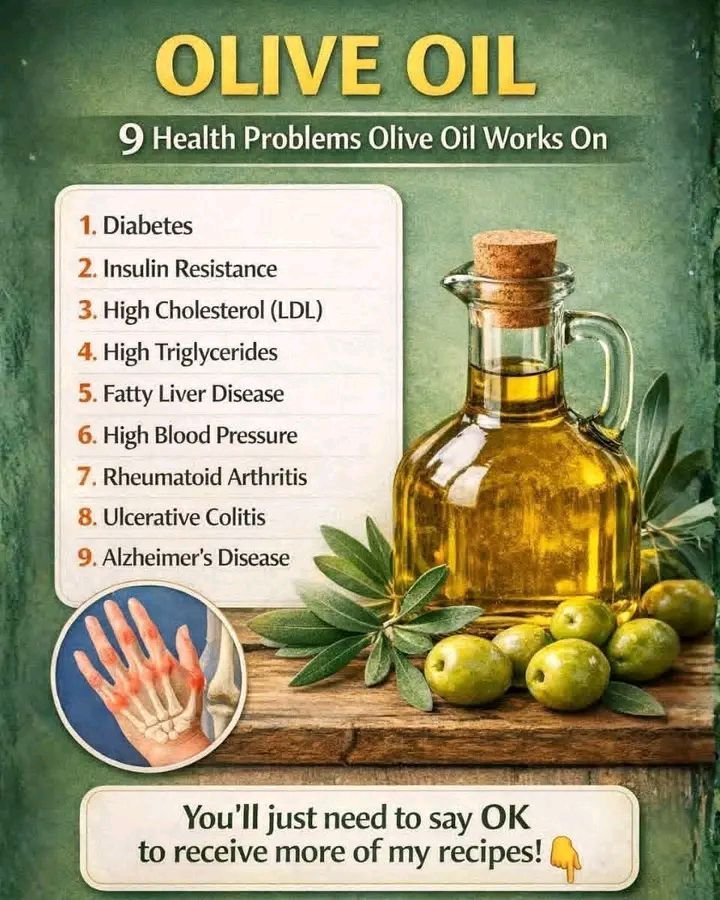
9 Health Problems Olive Oil Can Help With: Nature’s Liquid Gold
Discover 9 health benefits of olive oil backed by research from heart health to inflammation relief and learn how to use it daily for optimal wellness.
Introduction: Why Olive Oil Deserves a Spot in Your Kitchen
Olive oil isn’t just a staple in Mediterranean cuisine—it’s a health powerhouse. Rich in monounsaturated fats, antioxidants, and bioactive compounds, olive oil has been linked to better heart health, reduced inflammation, and overall longevity.
In this guide, you’ll learn 9 health problems olive oil can support, how it works, and practical ways to include it in your daily routine.
1. Heart Disease
-
How it helps: Olive oil is high in monounsaturated fats, which can reduce LDL (“bad”) cholesterol and raise HDL (“good”) cholesterol.
-
Evidence: Studies show regular olive oil consumption is linked to lower rates of heart attacks and strokes.
-
Usage tip: Use extra virgin olive oil in salads, dressings, or lightly sautéed vegetables instead of butter or margarine.
2. High Blood Pressure
-
How it helps: Polyphenols in olive oil may help relax blood vessels and reduce oxidative stress.
-
Evidence: Research shows diets rich in olive oil can modestly lower blood pressure, especially when combined with a Mediterranean diet.
-
Usage tip: Drizzle olive oil over roasted veggies or mix with herbs as a flavorful dip for whole-grain bread.
3. Inflammation
-
How it helps: Olive oil contains antioxidants like oleocanthal, which have anti-inflammatory effects similar to ibuprofen.
-
Evidence: Chronic inflammation is linked to arthritis, diabetes, and heart disease; olive oil may help reduce markers of inflammation.
-
Usage tip: Add 1–2 tablespoons of extra virgin olive oil to salads or smoothies daily for natural anti-inflammatory support.
4. Diabetes Management
-
How it helps: Healthy fats improve insulin sensitivity and stabilize blood sugar levels.
-
Evidence: People following a Mediterranean diet with olive oil show lower risk of type 2 diabetes and better glucose control.
-
Usage tip: Use olive oil to cook lean proteins or drizzle over steamed vegetables instead of carb-heavy sauces.
5. Arthritis and Joint Pain
-
How it helps: Anti-inflammatory compounds in olive oil can reduce stiffness and joint discomfort.
-
Evidence: Combining olive oil with omega-3 rich foods (like fish) may help ease arthritis symptoms.
-
Usage tip: Include olive oil in daily meals, or try mixing it with turmeric for an anti-inflammatory drink.
6. Brain Health
-
How it helps: Olive oil supports cognitive function by reducing oxidative stress and improving blood flow to the brain.
-
Evidence: Studies suggest olive oil consumption is linked to a lower risk of Alzheimer’s disease and memory decline.
-
Usage tip: Include olive oil in your breakfast, such as drizzled over avocado toast or eggs.
7. Skin Health
-
How it helps: Rich in vitamin E and antioxidants, olive oil can protect skin from free radical damage.
-
Usage tip: Apply a small amount topically as a moisturizer or mix into homemade face masks with honey or yogurt.
-
Bonus: Consuming olive oil regularly helps nourish skin from the inside out.
8. Digestive Health
-
How it helps: Olive oil may promote bile production and improve gut motility, reducing constipation.
-
Evidence: Regular consumption can aid digestion and may protect against stomach ulcers.
-
Usage tip: Start your day with a teaspoon of olive oil in warm water for gentle digestive support.
9. Liver Health
-
How it helps: Antioxidants in olive oil reduce fat accumulation in the liver and combat oxidative stress.
-
Evidence: Studies suggest olive oil helps prevent non-alcoholic fatty liver disease when included in a balanced diet.
-
Usage tip: Replace unhealthy cooking oils with olive oil and pair with vegetables, whole grains, and lean proteins.
How to Maximize Olive Oil Benefits
-
Choose extra virgin: It contains the highest levels of antioxidants and bioactive compounds.
-
Use raw when possible: Drizzling on salads or finished dishes preserves nutrients.
-
Moderation is key: 1–3 tablespoons per day is sufficient.
-
Combine with other healthy foods: Leafy greens, nuts, and whole grains enhance its effects.
Frequently Asked Questions
Q1: Can olive oil help with weight loss?
Yes, when replacing unhealthy fats, olive oil can help with satiety and support healthy weight management.
Q2: Is cooking with olive oil safe?
Yes, extra virgin olive oil has a moderately high smoke point, suitable for sautéing, roasting, and light frying.
Q3: How do I know if my olive oil is high quality?
Look for “extra virgin,” cold-pressed, and store it in dark glass bottles to protect from light.
Q4: Can olive oil be used for children?
Yes, it is safe for all ages and can be incorporated into meals safely.
Q5: How soon will I see benefits?
Some effects, like improved digestion or skin hydration, can appear in weeks; long-term benefits, like heart and brain health, accumulate over months.
Conclusion: Make Olive Oil a Daily Habit
Olive oil is more than a cooking ingredient—it’s a natural health booster. By including it in your daily diet, you can support:
-
Heart and brain health
-
Blood sugar and liver function
-
Skin hydration and anti-aging
-
Inflammation and joint comfort
Nature’s “liquid gold” is versatile, delicious, and easy to incorporate into your everyday meals for long-term wellness.