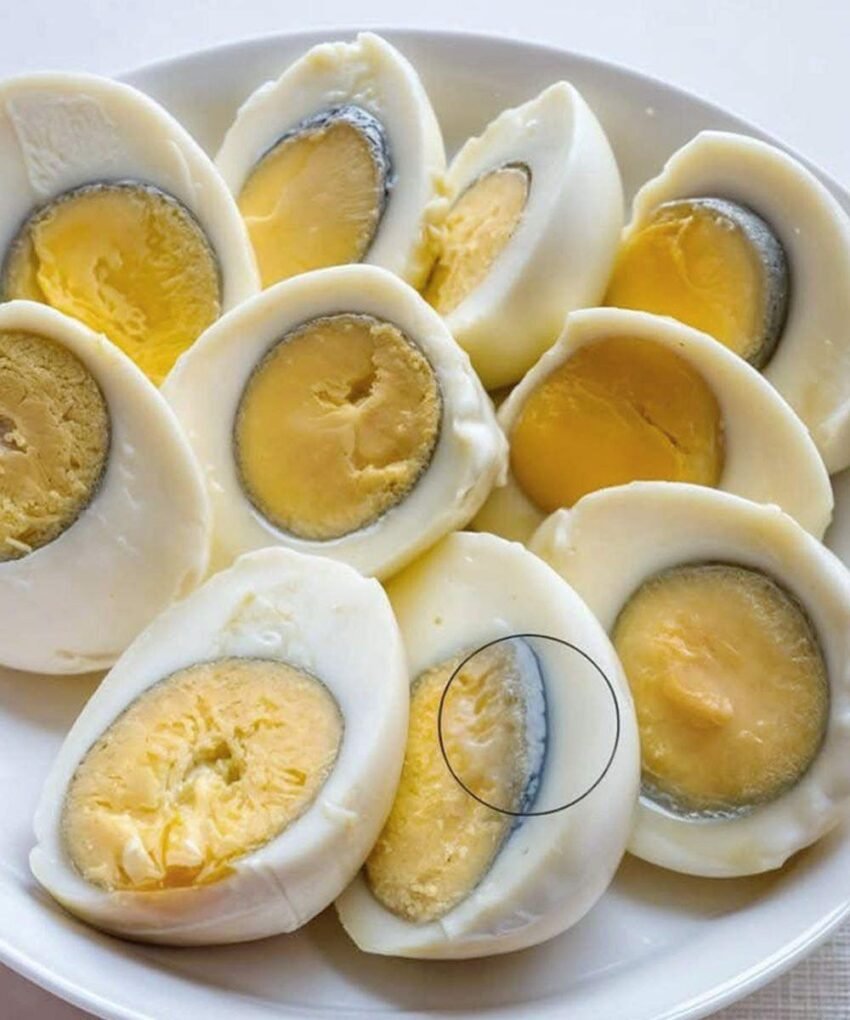
If Your Eggs Have a Green Ring Around the Yolk, Here’s What It Really Means
Notice a green ring around your egg yolks? Learn what causes it, whether it’s safe to eat, and tips to prevent it in future meals.
That Green Ring Might Look Alarming, but Don’t Panic
You crack an egg into a pan and notice a greenish-gray ring forming around the yolk. Your first thought: “Is this spoiled? Should I throw it away?”
You’re not alone—this is a common question in American kitchens. The good news: in most cases, a green ring is harmless and safe to eat.
Why Eggs Sometimes Develop a Green Ring
The green ring is usually caused by a chemical reaction between sulfur and iron. Here’s how it works:
- Eggs contain sulfur in the whites and iron in the yolk
- When eggs are overcooked or cooked at very high heat, sulfur and iron react
- This forms ferrous sulfide, which appears as a green or gray ring around the yolk
Key Point: It’s a cooking reaction, not spoilage.
Factors That Increase the Likelihood
- Overcooking – hard-boiled eggs left boiling for too long
- High heat – rapid, aggressive boiling
- Old eggs – fresher eggs are less likely to develop the green ring
Is It Safe to Eat?
Yes. Eggs with a green ring are safe and fully edible.
- The ring may slightly affect texture or taste but won’t harm your health
- It does not indicate bacterial contamination
- Safety concerns are more about egg freshness than the ring itself
How to Prevent Green Rings Around Yolks
1. Don’t Overcook
- Hard-boiled eggs: 9–12 minutes from boiling water is ideal
- Soft-boiled eggs: 4–6 minutes
2. Rapid Cooling
- Immediately place boiled eggs in cold or ice water
- This stops the cooking process and reduces ring formation
3. Use Fresh Eggs
- Fresher eggs have tighter whites and more stable yolks
- Store eggs properly in the refrigerator for best results
4. Adjust Cooking Method
- Simmer gently rather than rapidly boiling
- Consider steaming eggs instead of boiling—they often reduce ring formation
Real-Life Kitchen Scenario
Linda, a mom from Chicago, noticed green rings forming on her hard-boiled eggs every Sunday breakfast. She switched to:
- Gentle simmering instead of rolling boil
- Ice bath after cooking
- Slightly shorter cooking times
Outcome: perfect yellow yolks, no green rings, and no compromise in taste.
Common Myths About Green Yolks
- “It means the egg is spoiled.” ❌
- “It’s toxic or unsafe.” ❌
- “You should throw the egg away.” ❌
All of these are false. The green ring is simply a natural chemical reaction.
Expert Tips Most People Don’t Know
- Adding a pinch of baking soda to boiling water can slightly reduce green rings
- Peeling eggs under running cold water prevents yolk discoloration from sticking
- Green rings are more noticeable in older eggs but still safe
When to Worry About Eggs
- If the egg smells bad
- If the white is unusually watery or has mold
- If the egg is past its expiration date
Otherwise, green rings are purely cosmetic.
Quick Cooking Checklist
- ✔ Cook eggs for recommended times
- ✔ Cool eggs rapidly in cold water
- ✔ Use fresh eggs
- ✔ Simmer instead of rolling boil
- ✔ Add optional baking soda to water
A green ring around the egg yolk is normal, safe, and common. It’s just the result of a chemical reaction that occurs during cooking—especially overcooking. By adjusting cooking time, temperature, and cooling methods, you can enjoy perfectly yellow yolks every time.
Next time you see a green ring, remember: it’s not a mistake—it’s just chemistry at work. Have you ever noticed green rings on your eggs? Share your experience in the comments!