The Cesarean Section Flap: Why That “Bag” of Skin Remains After C-Section (And What You Can Do About It)
Learn why the C-section flap forms, why it often remains after delivery, and safe ways to reduce its appearance with exercise, diet, and medical options.
That Persistent “Bag” of Skin: What’s Really Happening
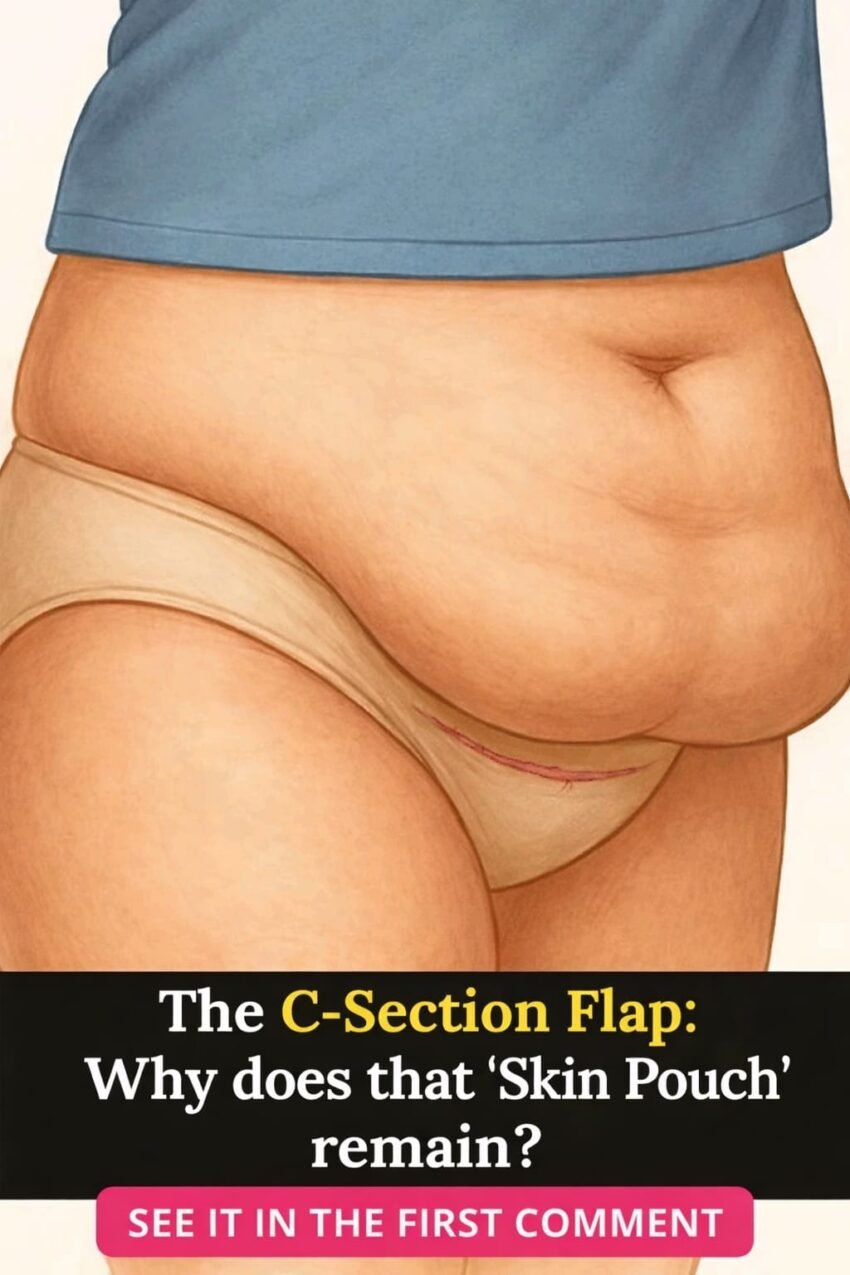
After a cesarean delivery, many women notice a small pouch of skin just above the incision.
Some call it the “C-section flap” or “apron skin.”
It can be frustrating because you may feel you’ve returned to your pre-pregnancy weight, yet that flap remains.
Here’s the truth:
This is a completely normal part of postpartum recovery—and it’s largely influenced by anatomy and healing.
Why the C-Section Flap Forms
Several factors contribute:
1. Surgical Incision Location
The incision typically sits low on the abdomen, below the pubic line.
- Skin above the incision may stretch during pregnancy
- After surgery, it folds naturally over the incision site
2. Skin Elasticity
Skin loses elasticity with pregnancy and age.
- Even after weight loss, stretched skin may not snap back fully
- Collagen and elastin breakdown makes this more noticeable
3. Subcutaneous Fat Layer
The flap often contains a small layer of fat:
- Thin women may notice it less
- Women with higher postpartum fat retention may see it more
4. Scar Tissue Tightness
Healing creates scar tissue under the skin:
- Can pull the flap downward
- Makes smoothing more difficult
5. Gravity and Posture
The natural pull of gravity contributes over time.
- Forward-leaning posture can accentuate the flap
- Core weakness after pregnancy plays a role
Why It Often Persists
Even with diet and exercise, the flap may remain because:
- Skin and scar tissue can’t contract fully
- Subcutaneous fat may persist despite overall weight loss
- Muscles beneath the flap are stretched and weakened
This is normal and not a sign of poor recovery.
What You Can Do About It
While you may not completely eliminate the flap, you can reduce its appearance and improve abdominal strength.
1. Strengthen Your Core
Focus on transverse abdominis and pelvic floor muscles:
- Pelvic tilts
- Modified planks
- Leg lifts
These exercises support the flap area and improve posture.
2. Gentle Cardio + Fat Management
- Walking, swimming, or low-impact cardio
- Helps reduce fat layer under the flap
- Supports overall body contouring
3. Skin-Firming Products
- Creams with retinol, peptides, or caffeine
- Can improve texture and elasticity
- Results are subtle, not dramatic
4. Postpartum Compression Garments
- High-waisted postpartum leggings or wraps
- Offer temporary smoothing
- Support healing tissues
5. Medical and Cosmetic Options
For those seeking more dramatic results:
- Mini tummy tuck or C-section flap revision
- Laser or radiofrequency treatments
- Should be discussed with a board-certified plastic surgeon
Real-Life Scenario: Managing Expectations
Jennifer, 32, gave birth via C-section:
- Six months postpartum, she noticed a flap despite weight loss
- Started gentle core exercises + daily skin hydration
- Over three months:
- Skin felt firmer
- Flap appeared smaller
- She opted for compression garments under fitted clothes
Outcome: Visible improvement without surgery, with realistic expectations.
Pros and Cons of Non-Surgical Management
Pros:
- Affordable and low-risk
- Improves core strength
- Can reduce discomfort and improve posture
Cons:
- Doesn’t remove the flap entirely
- Results are gradual
- Requires consistency
Common Mistakes to Avoid
- Expecting Immediate Flattening – Skin takes months to remodel
- Overdoing Ab Exercises Early – Can worsen healing
- Ignoring Hydration and Nutrition – Skin elasticity depends on collagen support
Expert Tips Most People Miss
- Massage the flap area gently to improve circulation
- Combine strength training with proper nutrition for collagen support
- Wear supportive undergarments during exercise for comfort
2026 Trend: Postpartum Recovery Focus
- Personalized rehab programs for C-section recovery
- Non-invasive skin tightening technologies
- Holistic approaches combining movement, nutrition, and skincare
Frequently Asked Questions
1. Can the flap go away on its own?
It may shrink slightly, but often remains.
2. How long does recovery take?
Skin and muscle remodeling can continue up to 12–18 months postpartum.
3. Is it normal to feel self-conscious?
Yes, many women experience this—completely normal.
4. Can diet alone fix it?
Diet helps reduce fat but won’t tighten skin fully.
5. When is surgery considered?
If the flap causes discomfort, skin irritation, or cosmetic concern.
6. Are all women affected the same way?
No, factors include age, number of pregnancies, and genetics.
7. Will subsequent pregnancies make it worse?
Possibly, as skin stretches again.
8. Can massage help?
Yes, gentle massage improves circulation and skin texture.
Action Checklist: Care for Your C-Section Flap
- ✔ Commit to core-strengthening exercises
- ✔ Include cardio for fat management
- ✔ Hydrate and support skin elasticity
- ✔ Consider compression garments
- ✔ Consult professionals for surgical options if desired
Conclusion: Understanding and Managing the Flap
The C-section flap is a natural outcome of pregnancy and surgery.
With realistic expectations, proper care, and consistent exercise, you can:
- Reduce its appearance
- Strengthen your core
- Regain confidence in your body
That “bag” of skin isn’t a flaw—it’s a sign of your body’s incredible journey.
Practical care, targeted exercises, and professional guidance can help you feel stronger, healthier, and more comfortable in your skin.
Have you noticed a C-section flap?
Share your experiences and tips for recovery—your story could help other moms feel confident and informed.