What to Do If You Start Seeing Eye Floaters: An Eye Doctor’s Practical, No-Panic Guide
Seeing eye floaters? Learn what they mean, when to worry, and what to do next with this clear, doctor-informed guide to protecting your vision.
Those Little Dots and Threads—Should You Be Concerned?
You’re reading, working, or looking at the sky—and suddenly you notice tiny specks, squiggles, or shadowy threads drifting across your vision.
You blink. They move. You try to focus—and they seem to dart away.
These are called eye floaters, and while they’re usually harmless, there are times when they can signal something more serious. Knowing the difference is what protects your vision.
What Are Eye Floaters?
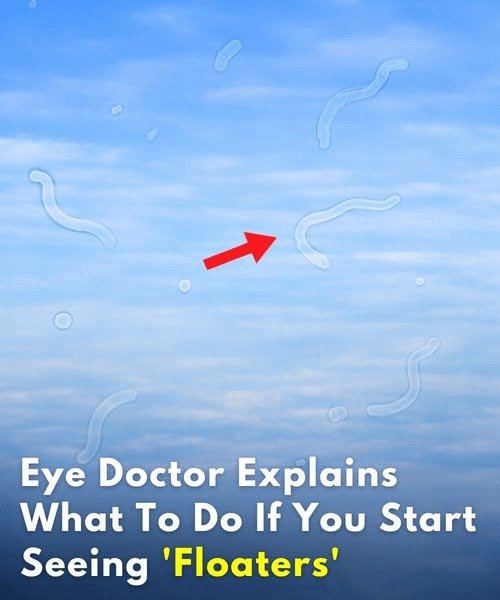
Eye floaters are small shapes that appear in your field of vision. They’re actually tiny clumps inside the gel-like substance (vitreous) in your eye.
As light enters your eye, these clumps cast shadows on the retina—what you see as floaters.
Common shapes include:
- Dots
- Strings
- Cobweb-like patterns
- Transparent blobs
Why Floaters Happen
Most floaters are a natural part of aging. Over time:
- The vitreous gel becomes more liquid
- Tiny fibers clump together
- These clumps drift and become visible
Other common causes:
- Eye strain or fatigue
- Nearsightedness (myopia)
- Previous eye injuries
- Inflammation inside the eye
When Floaters Are Normal
In many cases, floaters are completely harmless.
You can usually relax if:
- They appear gradually
- You’ve had them for years
- They don’t increase suddenly
- There are no flashes of light or vision loss
Many people learn to ignore them over time as the brain adapts.
⚠️ When to See a Doctor Immediately
This is the part you should not ignore.
Seek urgent medical care if you notice:
- A sudden increase in floaters
- Flashes of light (like camera flashes)
- A shadow or “curtain” over part of your vision
- Blurred or reduced side vision
These could be signs of:
- Retinal tear
- Retinal detachment (a medical emergency)
Early treatment can prevent permanent vision loss.
Step-by-Step: What You Should Do
1. Pause and Observe
- Are the floaters new or long-standing?
- Are they increasing quickly?
2. Check for Warning Signs
- Flashes?
- Vision loss?
- Sudden changes?
👉 If yes, seek immediate care
3. Rest Your Eyes
- Reduce screen time
- Blink more frequently
- Stay hydrated
4. Schedule an Eye Exam
Even if symptoms seem mild, a professional exam can:
- Rule out serious issues
- Give peace of mind
- Track changes over time
Real-Life Scenario
Mark, 62, noticed a few floaters while reading. At first, he ignored them.
A week later, he saw flashes of light and a sudden increase in spots. He went to an eye doctor immediately.
- Diagnosis: early retinal tear
- Treatment: quick laser procedure
- Outcome: vision saved
The key was not ignoring sudden changes.
Can Floaters Be Treated?
In most cases:
- No treatment is needed
- The brain gradually adapts
In rare cases:
Doctors may recommend:
- Laser therapy (to break up floaters)
- Vitrectomy (surgical removal of the vitreous)
⚠️ These are only used when floaters severely impact vision
Pros and Cons of Treatment Options
Observation (Most Common)
Pros:
- No risk
- Natural adaptation
Cons:
- Floaters may persist
Medical Procedures
Pros:
- Can significantly reduce floaters
Cons:
- Risks like infection or retinal damage
- Usually reserved for severe cases
Common Mistakes People Make
- Ignoring sudden changes in vision
- Assuming all floaters are harmless
- Delaying eye exams
- Searching for “quick fixes” online
Expert Tips to Protect Your Vision
- Get regular eye exams, especially after age 50
- Wear sunglasses to protect from UV exposure
- Manage conditions like diabetes or high blood pressure
- Stay hydrated—eye health depends on it
- Take breaks from screens (20-20-20 rule)
2026 Insight: Digital Eye Strain & Floaters
With increased screen use:
- More people are noticing floaters
- Eye fatigue can make them more noticeable
- Preventive care and awareness are becoming essential
Frequently Asked Questions
1. Are floaters dangerous?
Usually no—but sudden changes can signal serious issues.
2. Do floaters go away?
They may fade or become less noticeable over time.
3. Can dehydration cause floaters?
It can make them more noticeable, though not directly cause them.
4. Should I worry about one floater?
Not usually—unless it appears suddenly with other symptoms.
5. Can screens cause floaters?
Not directly, but they can increase eye strain and awareness of them.
6. Are floaters common after 60?
Yes, very common due to natural changes in the eye.
7. Can eye drops remove floaters?
No—there’s no proven drop that eliminates them.
8. When should I get an eye exam?
Immediately if symptoms change suddenly, otherwise regularly as advised.
Action Checklist: What to Do Right Now
- ✔ Notice when floaters appear
- ✔ Watch for warning signs
- ✔ Rest your eyes and reduce strain
- ✔ Schedule an eye exam
- ✔ Act quickly if symptoms worsen
Conclusion: Stay Aware, Not Afraid
Eye floaters can feel alarming—but most are harmless and manageable. The real key is knowing when to pay attention and when to act fast.
Floaters are common, especially with age—but sudden changes should never be ignored. A quick check today can protect your vision for years to come.
Have you experienced eye floaters recently? Share your story in the comments—it might help someone else recognize the signs early.